
14 Modern Living Room Decor Ideas for Stylish Home Design
Your living room is the heart of your home. It’s the place where family gathers, guests are welcomed, and memories are made. Yet so many homeowners feel stuck — either unsure where to start, or afraid to make changes that might not work. The good news? Modern living room design is more accessible, affordable, and exciting than ever before.
In this guide, we have hand-picked 14 of the most impactful, trend-forward living room decor ideas that professional interior designers are using right now. Whether you’re doing a full renovation or just want to refresh your space with a few key changes, there’s something here for every style, budget, and room size.
From statement furniture to clever lighting tricks, earthy textures to bold accent walls — let’s dive into the ideas that will genuinely transform how your living room looks and feels.
📋 Quick Navigation — 14 Ideas Inside
- Neutral Color Palette
- Statement Sofa
- Layered Lighting
- Accent Wall
- Natural Materials
- Open Shelving
- Indoor Plants
- Minimalist Decor
- Area Rugs
- Gallery Wall
- Multi-Functional Furniture
- Velvet & Texture
- Smart Home Tech
- Mixing Old & New

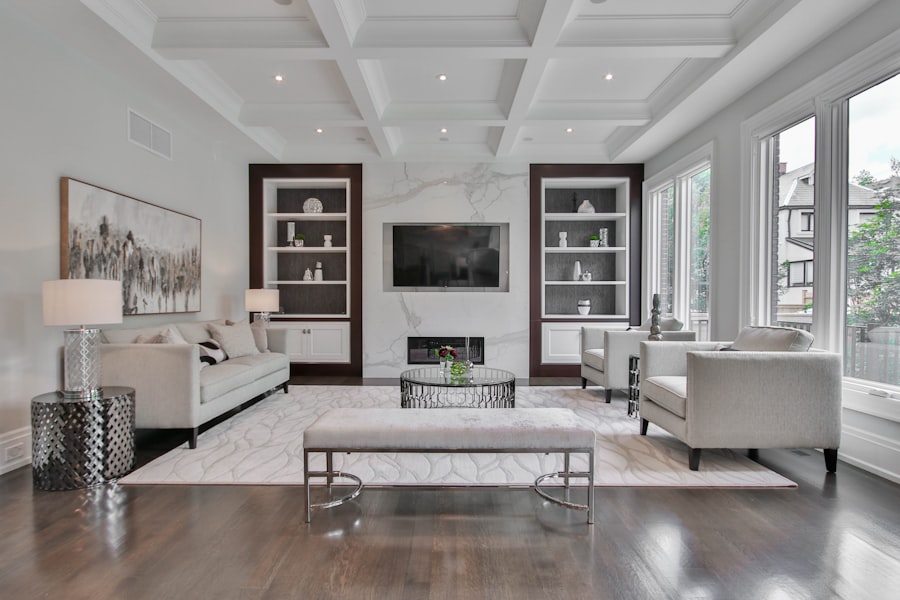
Warm neutral palette — creamy beiges and soft taupes create a timeless, inviting atmosphere
01
Embrace a Warm Neutral Color Palette
Foundation
The foundation of any modern living room starts with color. In 2024, interior designers are moving away from cold grays and pure whites toward warm neutrals — think creamy beiges, soft taupes, warm off-whites, and sandy tones. These colors create an inviting, timeless atmosphere that works with almost any furniture style.
Warm neutrals have a powerful psychological effect: they make spaces feel larger, calmer, and more welcoming. When you pair a warm white wall with natural wood furniture and earth-toned textiles, the room instantly feels curated and expensive — even on a modest budget.
The trick is to layer different shades of the same neutral family rather than using a single flat color throughout. Paint your walls in a warm cream, choose a slightly darker taupe for your sofa, and add depth with chocolate brown throw pillows. This tonal layering is exactly what designers do to create a “pulled together” look.
💡 Pro Tip: Always test paint colors on a large swatch (at least 12″x12″) and observe how they look at different times of day — morning light, noon, and evening lamp light. Colors shift dramatically depending on your room’s natural light.
Warm WhiteTaupeCreamy BeigeSandMushroom Gray
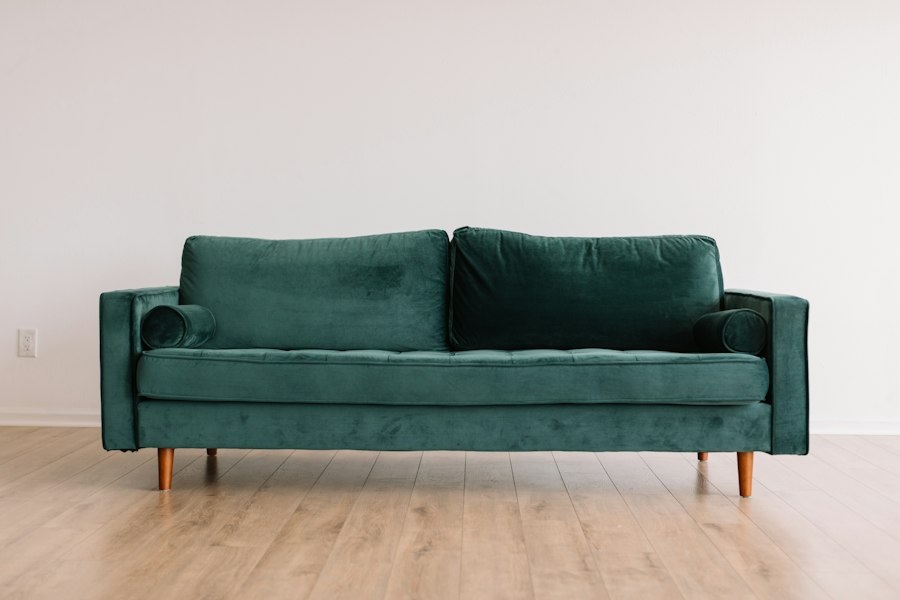
A bold statement sofa anchors the entire room — let it be the hero of your living space
02
Invest in One Statement Sofa
Centerpiece
Your sofa is the single most important piece of furniture in your living room. Rather than buying a complete matching set, modern interior designers recommend investing heavily in one exceptional sofa and building the rest of the room around it.
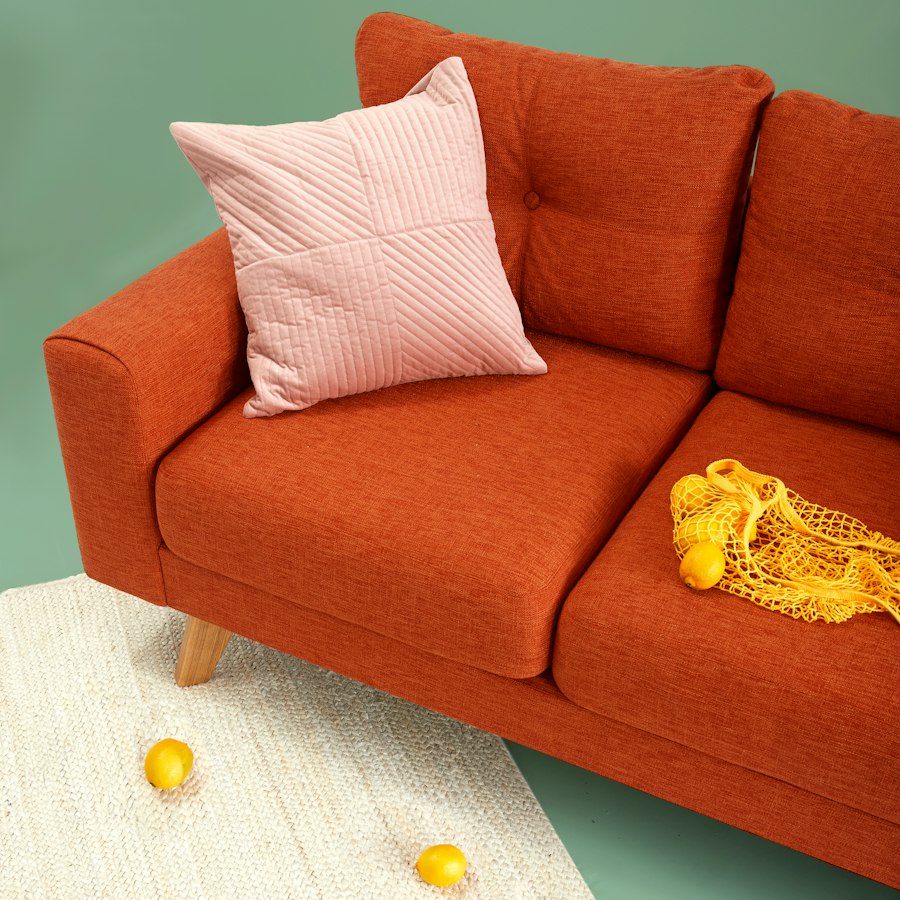
In 2024, the most popular sofa styles are low-profile curved sectionals in warm earthy tones, classic Chesterfield sofas in rich velvet, and modular sofas that can be rearranged. A bold sofa — perhaps in terracotta, forest green, or deep navy — instantly becomes the visual anchor of the entire room.
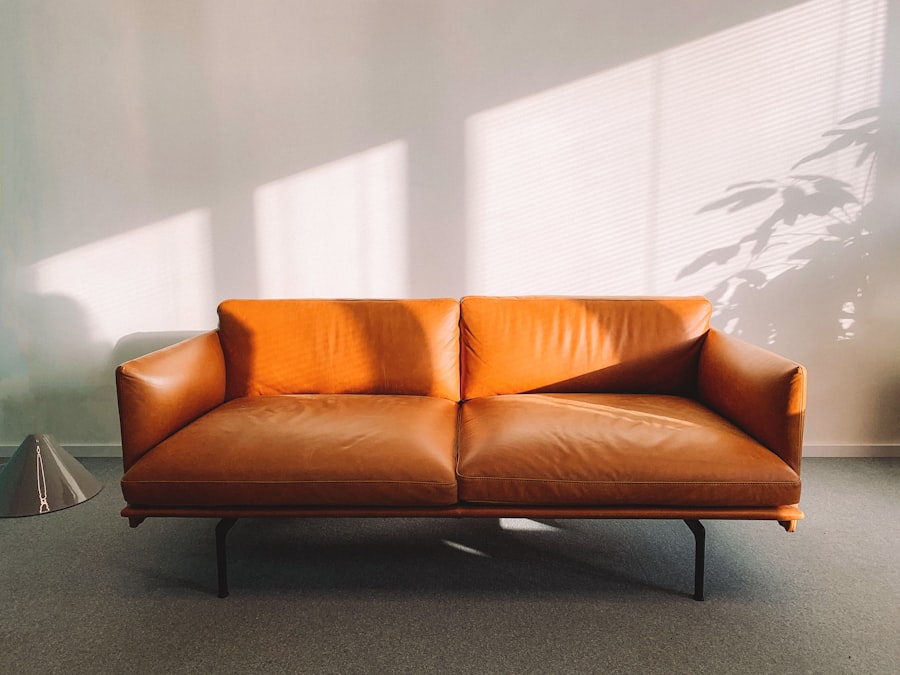
Don’t be afraid of color here. A statement sofa in a rich, saturated hue against a neutral wall is one of the most effective and sophisticated design moves you can make. It shows confidence, intention, and design literacy — qualities that make a room feel truly designed rather than just furnished.
💡 Pro Tip: When buying a sofa, sit in it for at least 10 minutes in the store. The depth of the seat, the firmness of the cushions, and the height of the armrests all determine long-term comfort. A beautiful sofa that’s uncomfortable will never truly work in your home.
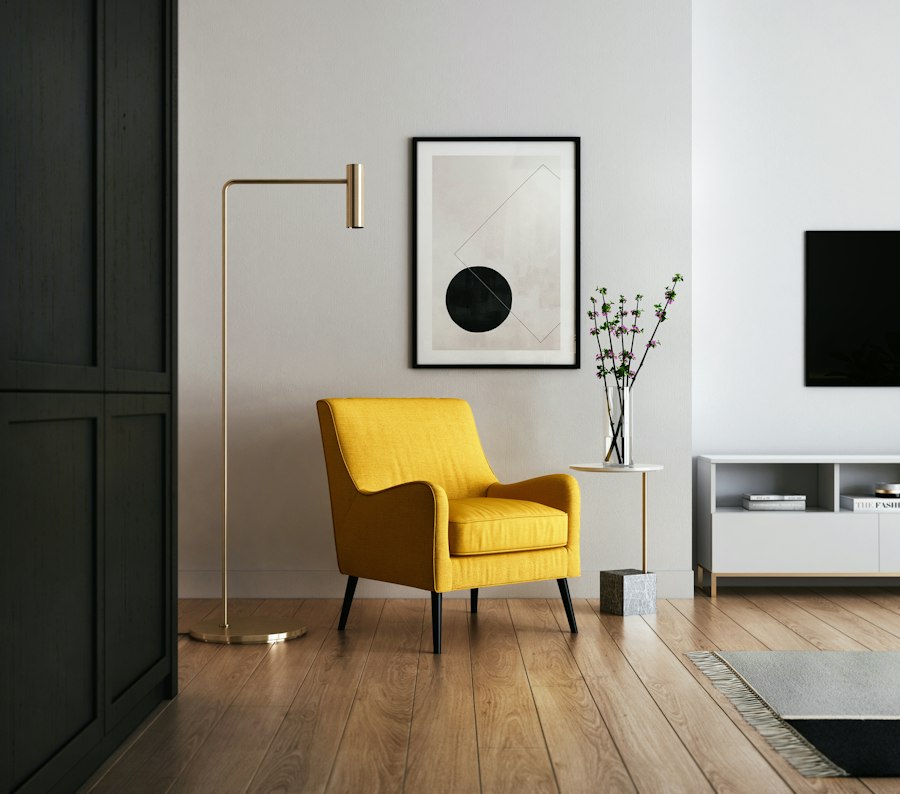
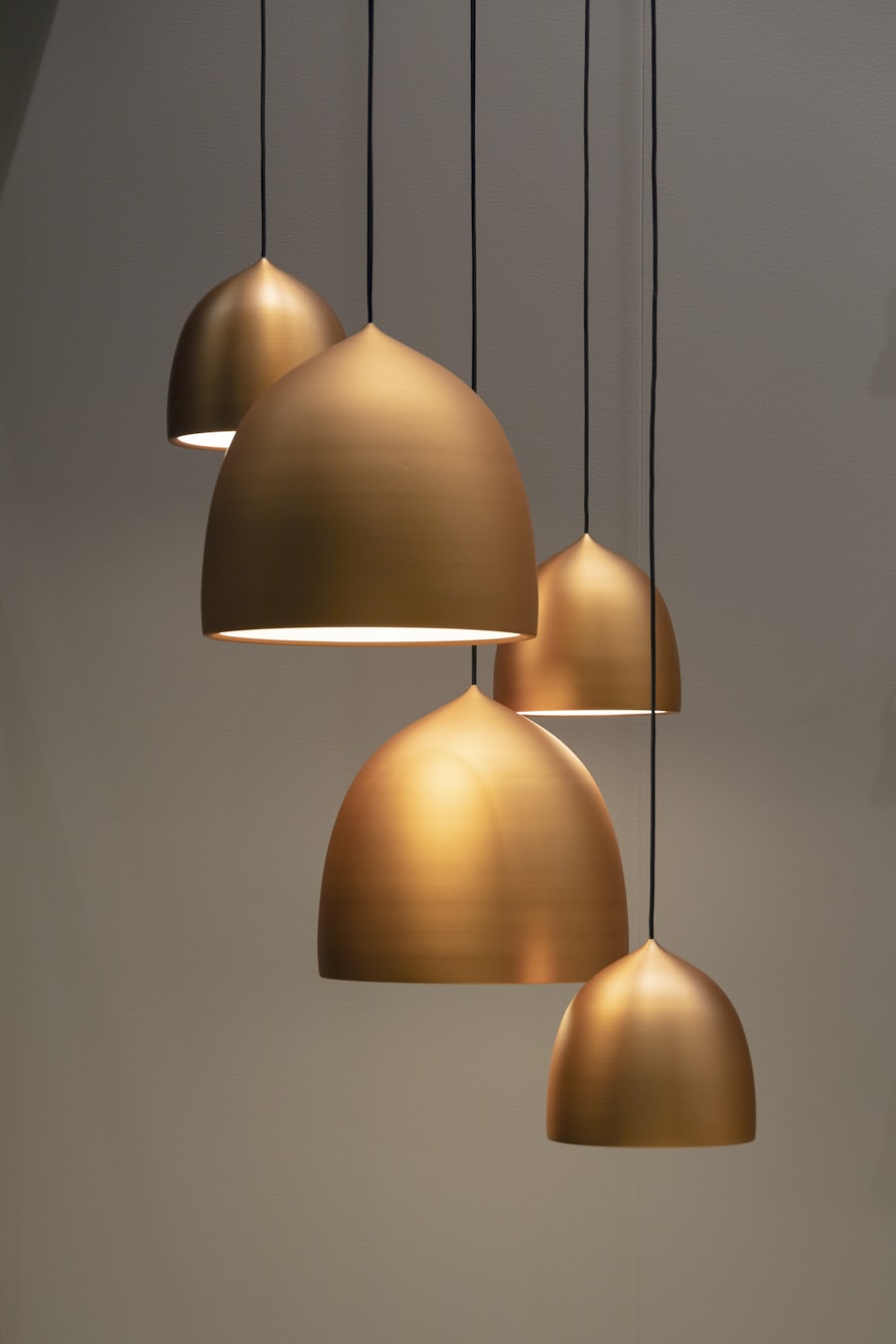
Layered lighting — combining ambient, task and accent sources transforms the mood of any room
03
Master the Art of Layered Lighting
Atmosphere
Lighting is the single most underestimated element in home decor. Most people install one overhead light and call it a day — and this is precisely why so many living rooms feel flat, uninviting, or “off” despite having nice furniture. The solution is layered lighting: combining three types of light sources in every room.
Ambient lighting is your general room illumination — ceiling fixtures, recessed lights. Task lighting serves specific functions — a reading lamp beside the sofa, a desk lamp on a console table. Accent lighting creates drama and mood — LED strips behind a TV unit, a picture light above wall art, fairy lights in a glass vase.
The magic happens when you control these layers independently. Install dimmer switches so you can lower the ambient light in the evening and rely on warm table lamps instead. This simple change can make your living room feel like a completely different, far more sophisticated space after sunset.
💡 Pro Tip: Always choose bulbs with a color temperature of 2700K–3000K (warm white) for living spaces. Cooler, bluer light (4000K+) belongs in offices and bathrooms, not places where you want to relax.
Ambient LightTask LightAccent LightDimmers2700K Bulbs

A bold accent wall — the single most cost-effective way to transform a living room instantly
04
Create a Bold Accent Wall
Visual Impact
An accent wall is one of the most cost-effective ways to dramatically transform a living room. Whether you choose a deep, moody paint color, textured wallpaper, natural stone cladding, or a wood panel feature — a single bold wall creates immediate visual interest and gives the room a clear focal point.
The best accent wall is almost always the one your eye lands on first when entering the room — typically the wall behind the main sofa or the fireplace wall. In 2024, the most popular accent wall treatments include limewash paint for an organic textured look, fluted wood paneling for architectural depth, and statement wallpaper with botanical or geometric prints.
The key rule: keep your accent wall bold and the other three walls simple. The contrast is what makes it powerful. A deep forest green accent wall with cream walls on three sides is striking. All four walls in deep forest green becomes oppressive.
💡 Pro Tip: Limewash paint is a spectacular 2024 trend that gives walls an aged, chalky, organic texture. It’s forgiving to apply (perfect for DIY), and the slight variation in color depth makes walls look genuinely artisanal and expensive.
Natural materials — wood, rattan, linen and jute create warmth that synthetic materials can never replicate
05
Incorporate Natural Materials Throughout
Texture & Warmth
The most significant shift in modern interior design over the past five years has been a powerful move toward natural, organic materials. Stone, solid wood, rattan, linen, jute, terracotta, and leather are dominating high-end interiors — and for good reason. Natural materials age beautifully, feel luxurious to the touch, and create a sense of warmth and groundedness that synthetic materials simply cannot replicate.
The biophilic design principle — the idea that humans have an innate connection to nature — explains why rooms filled with natural materials feel instinctively comfortable and calming. A solid oak coffee table, a jute area rug, linen curtains, and a few terracotta pots can completely transform the sensory experience of a room.
You don’t need to replace everything at once. Start by swapping synthetic throw pillows for linen ones, adding a rattan side table, or replacing a plastic fruit bowl with a simple ceramic one. These small changes accumulate into a room that feels genuinely natural and considered.
Solid WoodRattanLinenJuteStoneTerracottaLeather
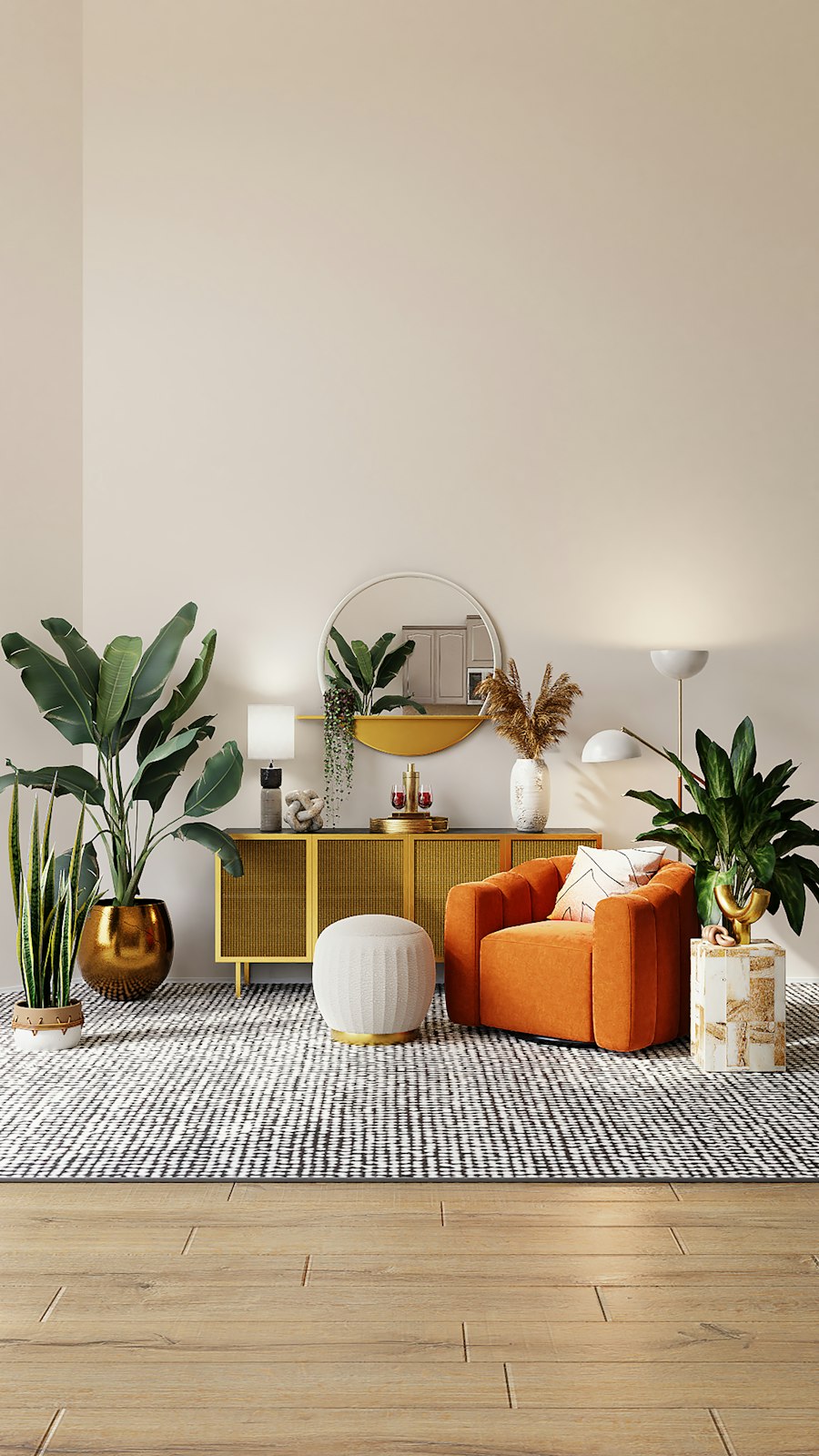
Pro-styled open shelving — 60% objects, 40% negative space is the designer’s golden ratio
06
Style Open Shelving Like a Pro
Organization & Beauty
Open shelving is both a practical storage solution and a major style opportunity. But the difference between shelves that look cluttered and shelves that look like a magazine spread comes down entirely to intentional styling. The professional approach follows a simple formula: group items in odd numbers, vary the heights within each grouping, and mix textures consistently.
For a modern living room, aim for roughly 60% decorative objects (books, art objects, plants, ceramics) and 40% negative space (empty shelf space). That emptiness isn’t wasted — it’s breathing room that makes the styled items stand out and prevents the visual overwhelm of overcrowded shelves.
A monochromatic approach to book organization — grouping books by spine color — is a simple trick that immediately elevates the look of any bookshelf and has become one of the most popular interior styling techniques on social media.
💡 Pro Tip: Always anchor shelving with at least one large item — a tall vase, a stack of oversized books, or a large trailing plant. Without an anchor, even beautifully styled shelves can feel restless and incomplete.
The Golden Rule of Modern Decor
Every element in your living room should serve either a functional purpose, an aesthetic purpose, or both. If something does neither — it’s clutter. Edit relentlessly. The most beautiful rooms are always the most intentional ones.

Statement plants in living room corners — one large plant makes more impact than five small ones
07
Bring Life In With Indoor Plants
Biophilic Design
Indoor plants are non-negotiable in modern living room design. Beyond their visual appeal, research consistently shows that plants reduce stress, improve air quality, and increase feelings of wellbeing. But more immediately relevant — a well-placed plant can anchor a corner, add scale to a room, and inject life and color into spaces that feel flat or static.
For a modern living room, think strategically about scale and placement. A large statement plant — a fiddle-leaf fig, monstera, or tall Ficus Audrey — in a corner instantly fills dead space and adds architectural quality to the room. A cluster of smaller plants on a shelf or windowsill creates a curated, lived-in aesthetic.
The most common mistake is buying plants that are too small for the space. In a living room, bigger is almost always better when it comes to plants. One large, healthy plant makes far more impact than five small ones scattered around.
Fiddle Leaf FigMonsteraSnake PlantBird of ParadisePothos
Warm minimalism — every object earns its place, creating a space that is calm, curated and truly yours
08
Adopt a Mindful Minimalist Approach
Clarity
Minimalism in 2024 isn’t about cold, empty spaces with nothing on the walls. It’s about mindful curation — choosing fewer, better objects and giving each one space to breathe. The modern minimalist living room is warm, personal, and deeply comfortable — it just doesn’t have anything in it that doesn’t belong there.
Start by removing everything from a surface and only returning what genuinely adds something — beauty, meaning, or function. Be ruthless. That decorative bowl you bought five years ago and feel obligated to display? If it doesn’t make you feel something when you look at it, it doesn’t deserve space in your home.
The reward is immediate and profound: a less cluttered space is a less stressed mind. Rooms with intentional negative space feel more peaceful, more expensive, and more you than rooms stuffed with things.
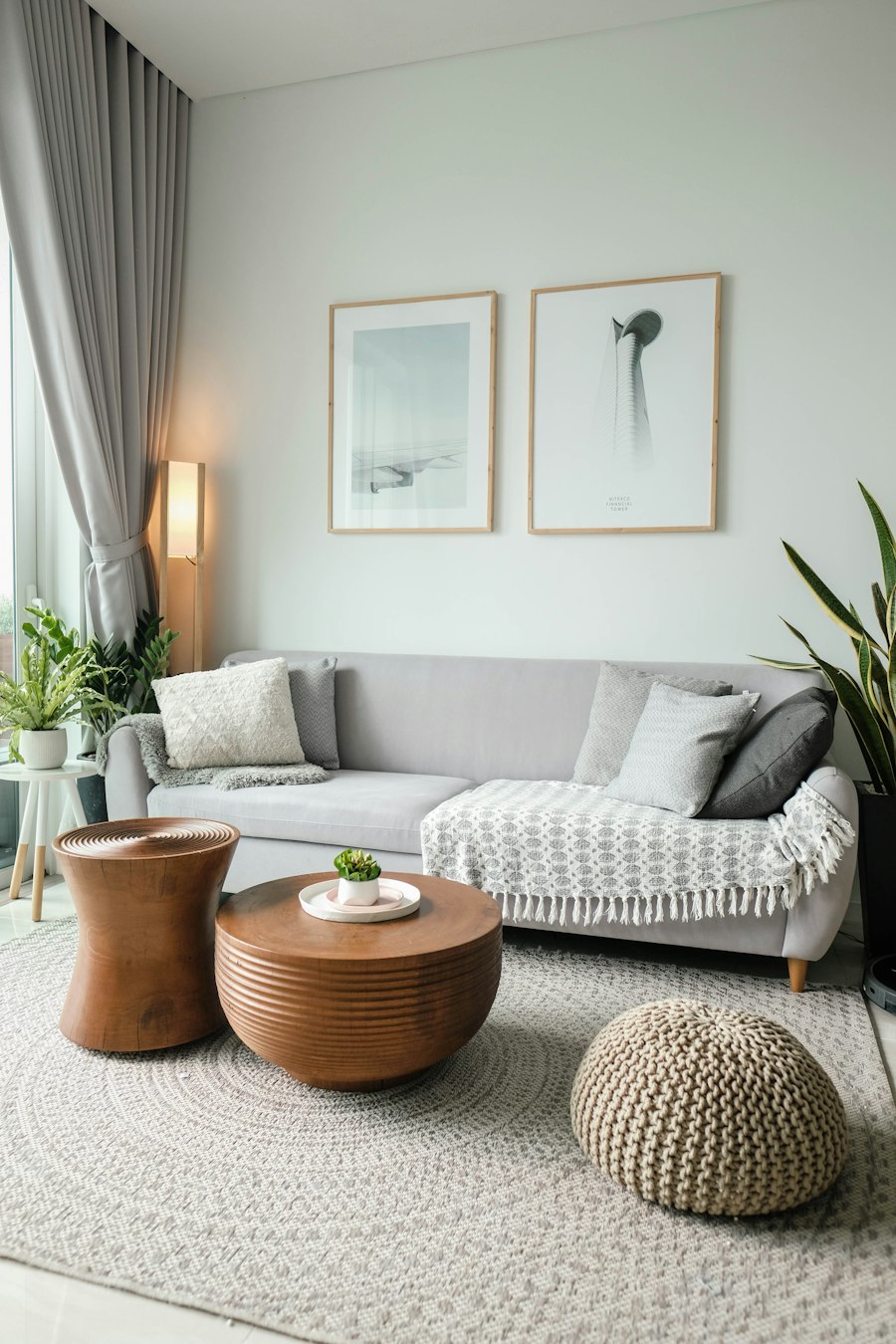
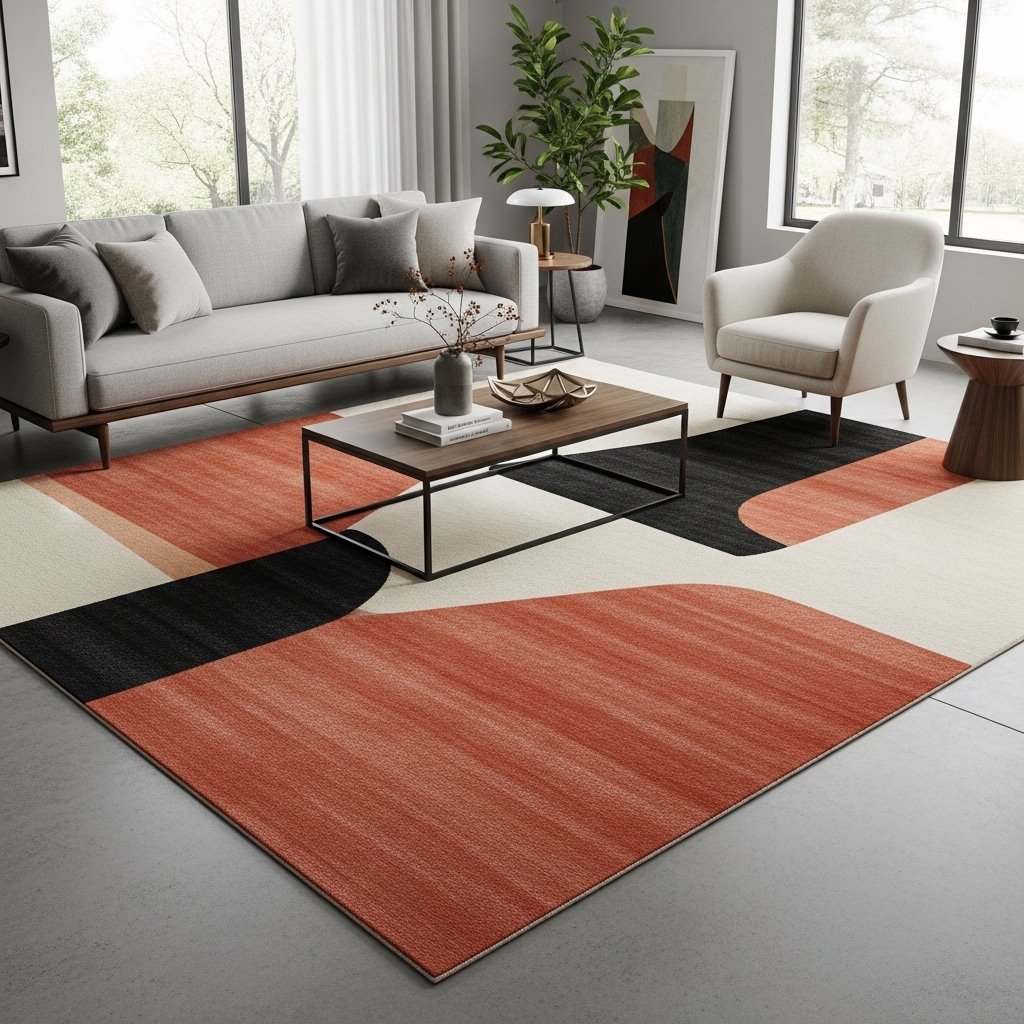
A properly sized area rug unifies your entire seating arrangement — always go bigger than you think you need
09
Define the Space With a Statement Area Rug
Grounding
A well-chosen area rug is the single fastest way to define a living room seating area, add warmth and texture, and tie disparate furniture pieces together into a cohesive arrangement. Yet it’s one of the most commonly misused elements in home decor — primarily because most people buy rugs that are far too small for the space.
The rule is simple: all four legs of your sofa and chairs should sit on the rug, or at minimum, the front two legs of each seat. A rug that floats in the middle of your seating arrangement with nothing touching it looks accidental and makes the room feel smaller, not larger.
For modern living rooms in 2024, the most impactful rug choices are abstract hand-knotted wool rugs, oversized natural jute rugs for casual warmth, and vintage-style Persian or Moroccan rugs for eclectic character. The rug doesn’t need to be neutral — a patterned or colorful rug under neutral furniture is a sophisticated and increasingly popular design choice.
💡 Pro Tip: In a standard living room, a 8’x10′ rug is almost always the right size. Most people buy 5’x8′ and then wonder why their room looks oddly proportioned. When in doubt, go bigger.
A personal gallery wall — plan it on the floor first before a single nail goes into the wall
10
Create a Personal Gallery Wall
Personalization
A gallery wall is one of the most personal, expressive, and visually rich ways to decorate a large blank wall. Done well, it transforms an empty surface into a curated display that tells your story — your travels, your taste, your family. Done poorly, it looks random and restless. The difference is in the planning.
Before putting a single nail in the wall, lay all your frames on the floor and experiment with arrangements until you find one that feels balanced. Then trace each frame on paper, cut them out, and tape the paper templates to the wall with painter’s tape. This allows you to visualize the final arrangement and make adjustments without any holes in your wall.
For a cohesive look, choose frames in a consistent finish (all black, all natural wood, or all gold) even if the artwork and photos inside are wildly varied. That material consistency is the visual thread that makes a diverse gallery wall feel intentional rather than chaotic.

Multi-functional furniture adds intelligence to design — an ottoman that stores, seats and serves as a coffee table
11
Choose Multi-Functional Furniture
Smart Living
Modern living requires modern furniture — pieces that do more than one thing. Multi-functional furniture is no longer just a small-apartment necessity; it’s a smart design choice for any home. An ottoman with internal storage, a coffee table that converts to a dining height, a console table that doubles as a bar — these pieces add intelligence to your design without sacrificing style.
The best multi-functional living room pieces include: storage ottomans (serve as coffee table, extra seating, and hidden storage simultaneously), nesting side tables (can be separated for a party or nested together for a minimal look), and sofa beds (perfect for homes that accommodate guests but don’t have a dedicated guest room).
💡 Pro Tip: When evaluating multi-functional furniture, make sure the secondary function doesn’t compromise the primary one. A sofa bed that’s uncomfortable to sit on fails as a sofa, no matter how convenient it is as a bed.
Velvet, boucle and chunky knit textures — contrast smooth with rough, soft with structured for visual richness
12
Introduce Velvet, Boucle & Rich Textures
Luxury Feel
Texture is the secret ingredient that separates visually interesting rooms from flat, forgettable ones. In modern living room design, the most impactful textures being used right now are velvet, boucle, and chunky-knit wool. Each of these materials has a unique quality that photography struggles to capture — they need to be experienced in person, which is exactly what makes a room feel real, warm, and inviting.
Velvet throw pillows on a linen sofa, a boucle accent chair beside a smooth leather sofa, a chunky-knit blanket draped casually over an armrest — these textural contrasts create visual richness and sensory interest that make a living room feel genuinely luxurious, regardless of the price of individual pieces.
The golden rule of texture mixing: combine smooth with rough, matte with slightly shiny, soft with structured. Contrast is everything. A room of all-soft textures becomes shapeless. A room of all-hard textures becomes cold. The magic is always in the balance.

Smart technology done right — cables hidden, TV wall-mounted, lighting controlled by voice for seamless living
13
Integrate Smart Home Technology Elegantly
Modern Tech
Technology is an unavoidable part of modern living rooms — televisions, speakers, charging stations, smart lights. The challenge is integrating these elements in a way that enhances rather than disrupts the design. The best modern living rooms make technology feel invisible or intentional, never accidental.
Practical strategies include: mounting your TV on the wall and running cables through the wall cavity, choosing a TV unit with integrated cable management, opting for a soundbar instead of bulky speaker setups, and using wireless charging pads embedded in side tables rather than having cords trailing across surfaces.
Smart lighting systems like Philips Hue or LIFX allow you to change the color temperature and brightness of your lights with a voice command — making it effortless to switch from bright working light to warm evening ambiance without touching a single switch.
Smart LightingHidden CablesWall-Mounted TVWireless ChargingSmart Speakers
Mixing old and new — one vintage piece in a modern room adds the kind of story that new furniture simply cannot replicate
14
Master the Art of Mixing Old & New
Character & Soul
The most characterful, magazine-worthy living rooms almost always contain a mix of eras. A mid-century modern sofa paired with a contemporary coffee table and an antique chest of drawers used as a media console — this layering of time periods is what gives rooms genuine depth, personality, and soul. A room furnished entirely in the same style and era looks like a showroom, not a home.
The key to mixing successfully is to find a unifying element — a consistent color palette, a recurring material, or a shared scale. When you have that thread running through the room, pieces from completely different eras and styles will coexist harmoniously.
Don’t be afraid of vintage and second-hand pieces. In fact, one vintage or antique item in an otherwise modern room often becomes the most interesting, most-commented-on piece in the space. It breaks predictability and introduces the kind of story and history that new furniture simply cannot replicate.
💡 Pro Tip: Flea markets, estate sales, and online vintage marketplaces are where the most interesting furniture finds live. A genuinely beautiful vintage piece bought for a fraction of its original value will give your room far more character than a brand new piece of the same quality.
Frequently Asked Questions
What is the most important element in modern living room design?
Lighting is arguably the single most impactful element in any living room. The same furniture and decor can look dramatically different under flat overhead lighting versus warm layered lighting. Invest in dimmable fixtures, quality bulbs (2700K–3000K), and multiple light sources at different heights for the most beautiful results.
How can I make a small living room look bigger?
Use a light, warm neutral color palette on walls and choose furniture with exposed legs (which allows you to see the floor beneath, creating a sense of openness). Use one large area rug instead of multiple small ones, hang curtains high and wide (even beyond the actual window frame), and use mirrors strategically to reflect light and create depth.
What are the biggest living room decor mistakes to avoid?
The most common mistakes are: buying a rug that’s too small, using only one overhead light source, pushing all furniture against the walls (float your sofa away from the wall for a more grown-up arrangement), hanging artwork too high (eye level is the right height, not ceiling height), and overcrowding surfaces with too many decorative objects.
What living room decor styles are trending in 2024?
The dominant 2024 trends are warm minimalism (clean lines with earthy tones and natural materials), biophilic design (incorporating plants and natural textures throughout), and the “quiet luxury” aesthetic (understated, high-quality pieces in muted, sophisticated colors). Maximalism with curated vintage collections is also having a strong moment.
How do I decorate a living room on a tight budget?
Focus your budget on the sofa (the most used and most visible piece) and be resourceful everywhere else. Repaint walls yourself, buy second-hand furniture and restore it, use inexpensive plants as major decor elements, rearrange what you already have before buying anything new, and replace small accessories like cushion covers and throws for a fresh look at low cost.
Should I hire an interior designer for my living room?
For a full renovation or a large, complex space, professional guidance is genuinely valuable and can save money by preventing costly mistakes. However, for most living room refreshes, a combination of research, patience, and the principles outlined in this guide will take you very far without professional fees. Many designers also offer one-hour paid consultations that can provide direction without the full cost of a project.
Final Thoughts: Your Dream Living Room Is Closer Than You Think
Designing a beautiful modern living room doesn’t require an unlimited budget, a design degree, or a complete overhaul of everything you own. It requires clarity of vision, intentional choices, and a willingness to edit ruthlessly.
Start with the fundamentals: get your lighting right, choose a warm neutral color palette, invest in one exceptional sofa, and define your space with a proper-sized area rug. Build from there — adding texture, plants, personal art, and natural materials over time.
The 14 ideas in this guide are not trends that will disappear next year. They are principles — rooted in how humans naturally respond to color, light, texture, and space — that will make your living room more beautiful, more comfortable, and more genuinely yours for years to come.
The best living room isn’t the most expensive one or the one that looks most like a design magazine. It’s the one that makes you stop for a moment when you walk in and feel, quietly and completely, like you’re home.
Now pick one idea from this list — just one — and start today. That’s how every beautifully designed home begins: with a single intentional decision.Modern Living Room Decor Guide · Expert Home Design Tips · Updated 2024

Recent Comments