
24 Spring Living Room Decor Ideas to Transform Small Apartment Vibes Instantly
A small apartment is not a limitation. It is an opportunity. With the right spring decor strategy, even the most compact living room can feel open, intentional, and genuinely beautiful — without a renovation, without a designer, and without an unlimited budget.
Spring is the most powerful season for interior transformation. Research in environmental psychology consistently shows that seasonal decor shifts — particularly those introducing natural light, organic textures, and botanical elements — measurably improve mood, reduce stress, and increase how comfortable people feel in their homes. This guide delivers 24 expert-curated spring living room decor ideas that are specifically designed for small apartment spaces. Every idea here is practical, visually compelling, and grounded in real design principles.
73%
of renters say seasonal decor improves their daily mood at home
$0–$30
average cost for most high-impact spring refresh ideas
6 inches
furniture repositioning that can make a room feel significantly larger
3 plants
minimum recommended for a noticeable biophilic effect indoors
Section 01 — Foundation
Light, Color & Atmosphere: Building the Spring Base
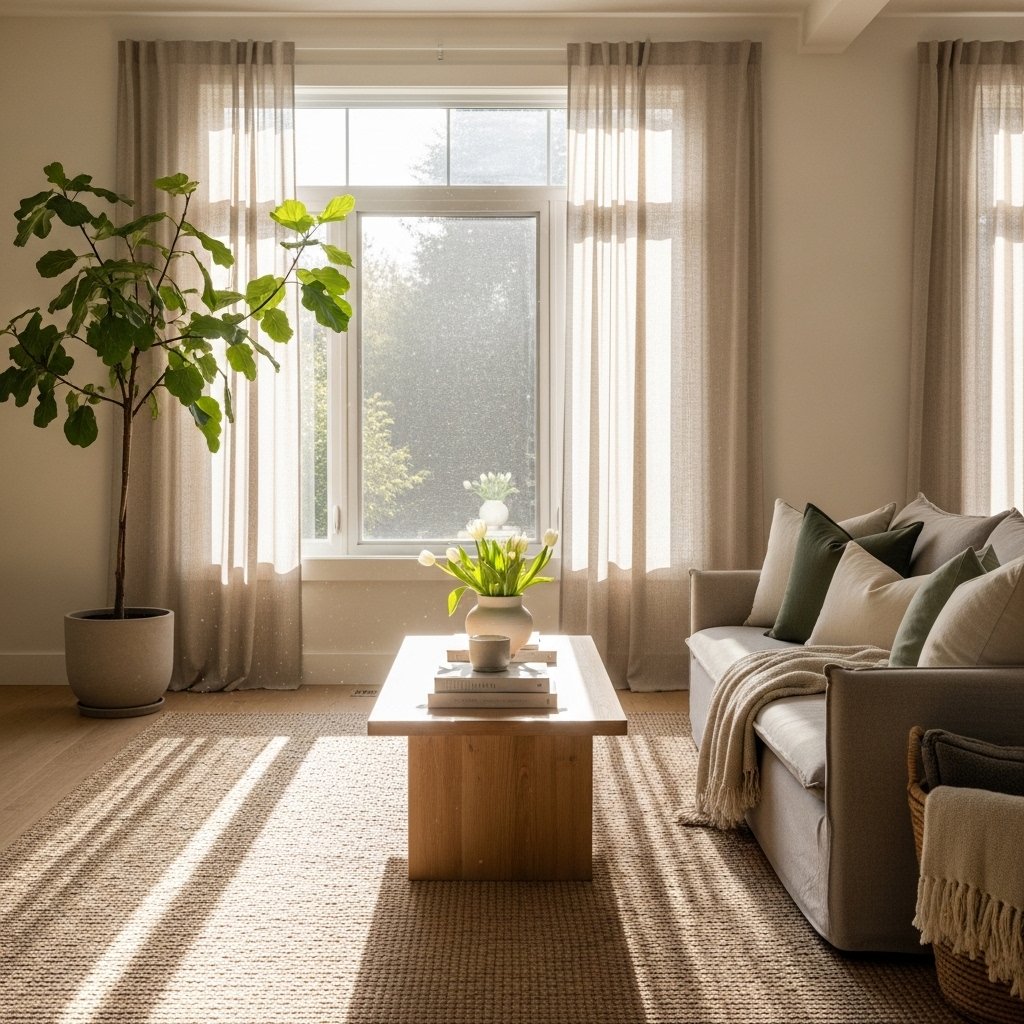
Before purchasing a single new item, the most effective spring living room transformation begins with light and color. These two elements determine the emotional atmosphere of any room more than any piece of furniture or accessory ever will. In small apartments, mastering light is not optional — it is the central design discipline.
01
Replace Heavy Curtains with Sheer Linen Panels
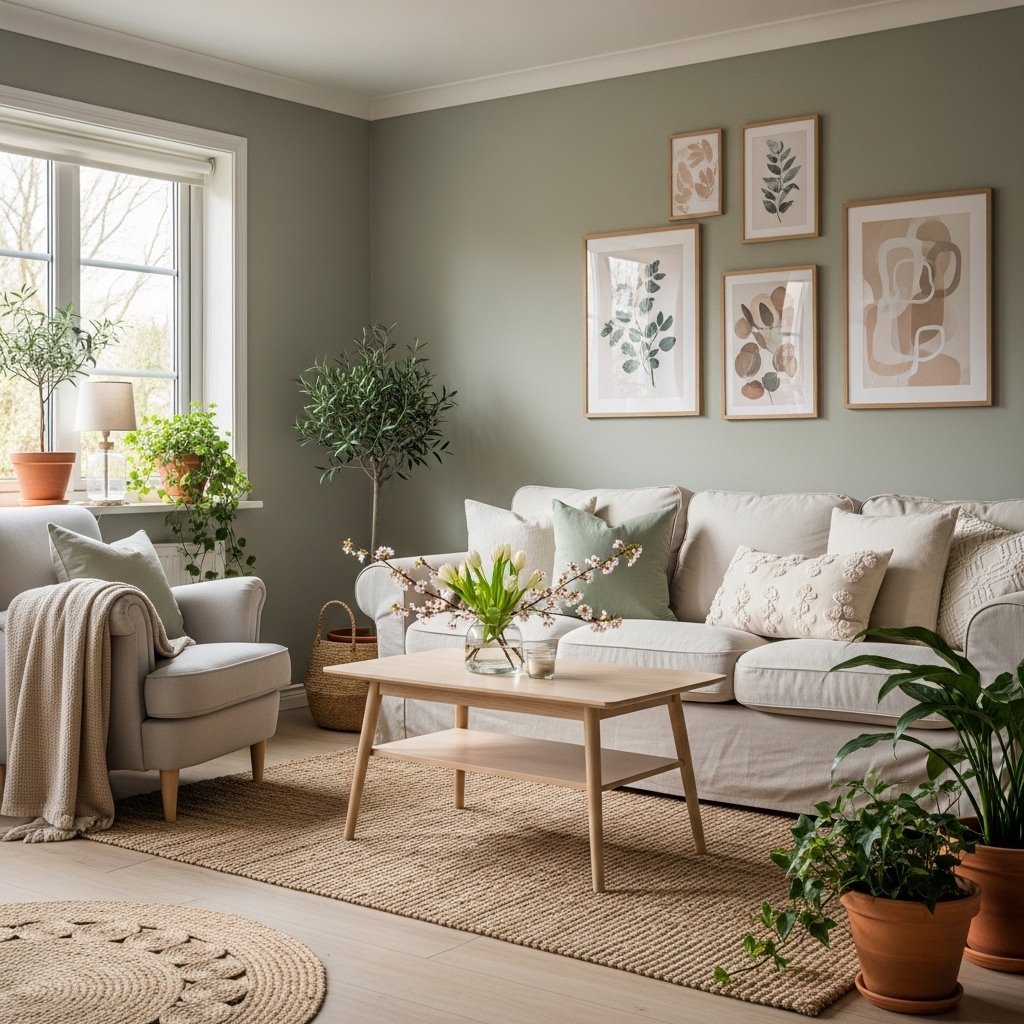
Heavy blackout or velvet curtains absorb light and visually compress a room. Sheer linen or cotton voile panels in ivory, warm white, or soft sand allow natural light to diffuse beautifully throughout the space. This single change can make a small living room feel up to 40% more open and airy — without touching a single piece of furniture.Pro tip: Floor-length sheers hung close to the ceiling create the illusion of taller ceilings.
02
Introduce Sage Green as Your Anchor Spring Color
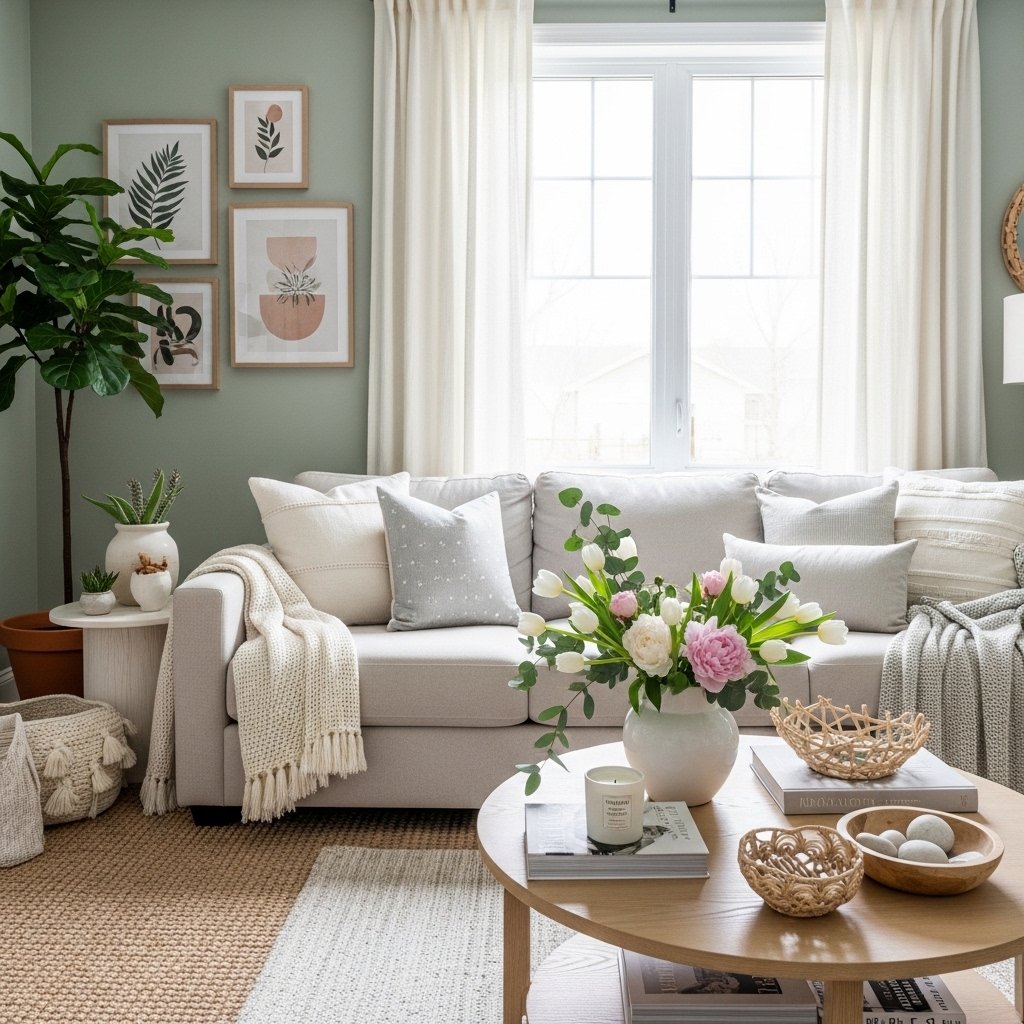
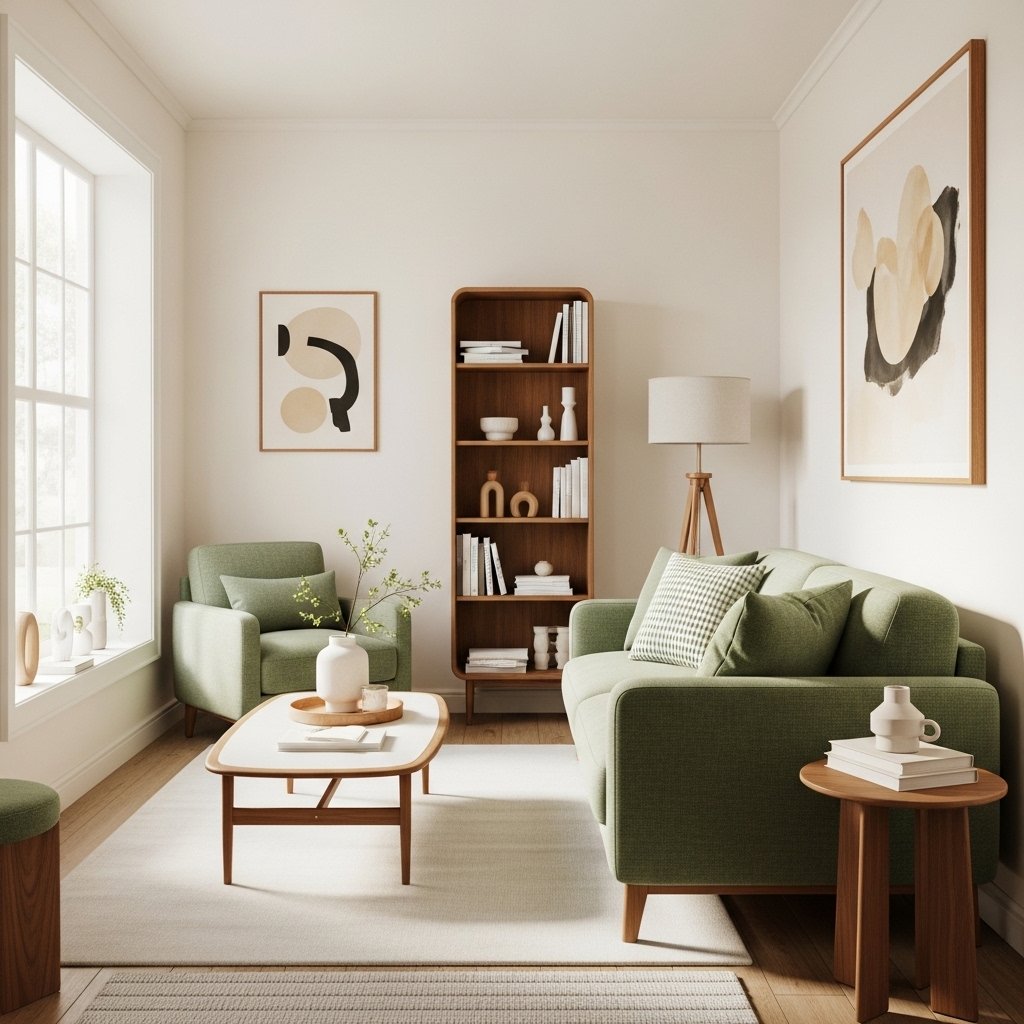
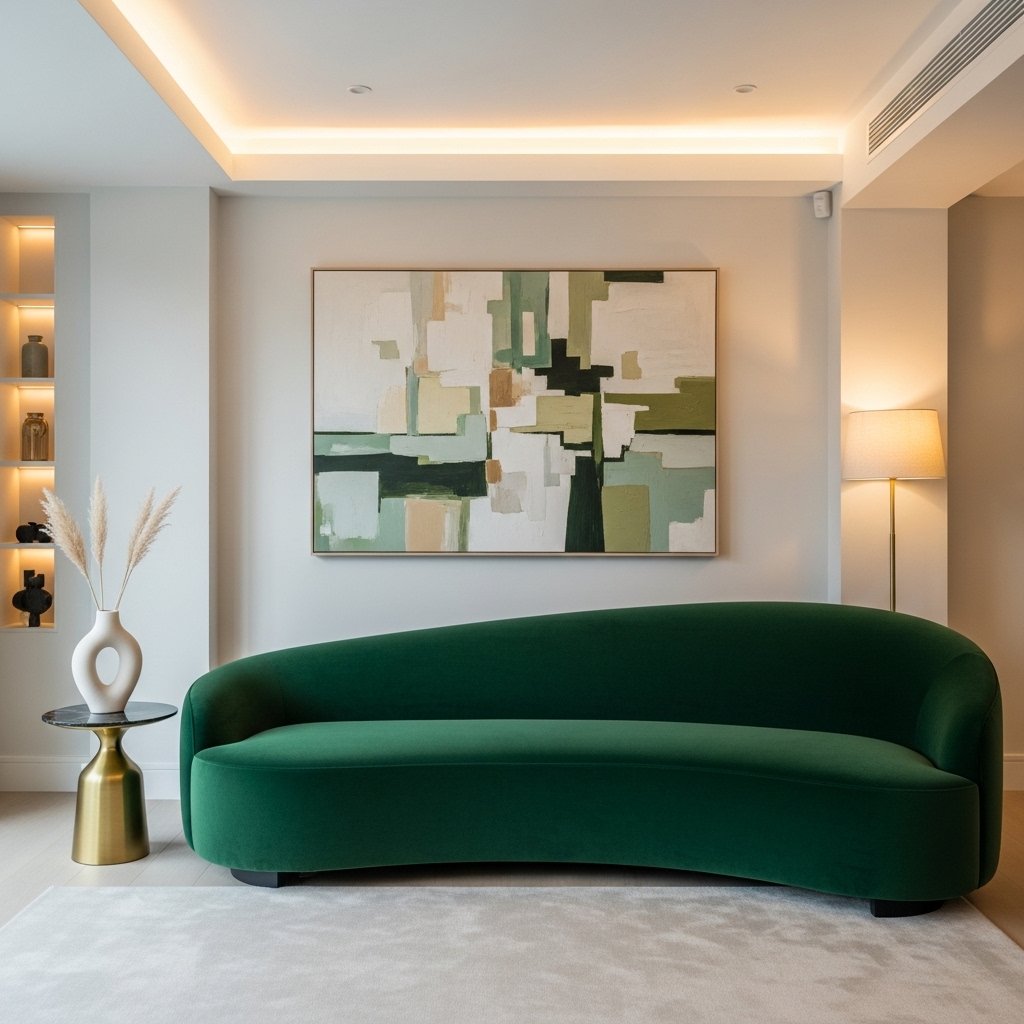
Sage green is the defining color of contemporary spring interiors. Unlike louder greens, sage is desaturated enough to function as a neutral while still reading as distinctly fresh and seasonal. Introduce it through a single statement piece — a throw, a ceramic vase, a set of cushion covers — rather than attempting to repaint walls.
03
Build a Warm Neutral Foundation Palette
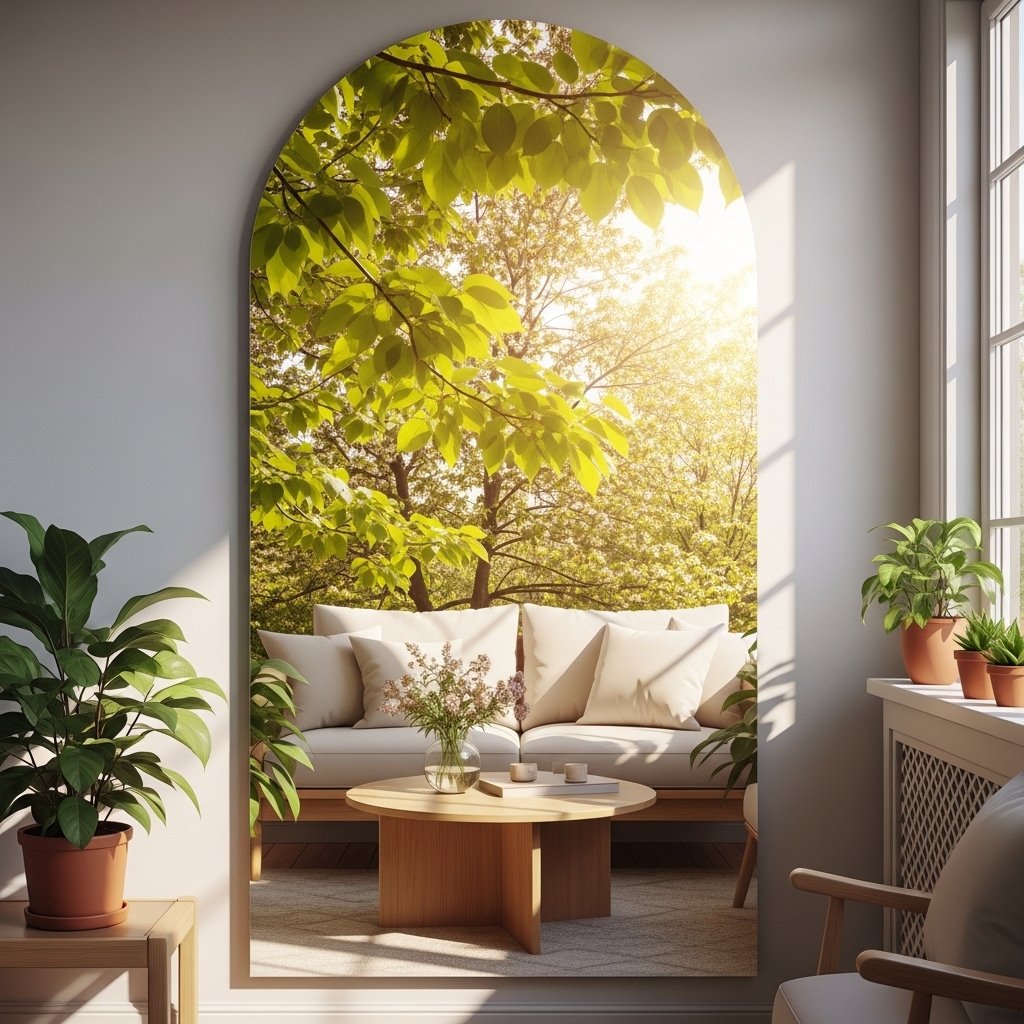
The most enduring spring living rooms are built on warm neutrals: cream, off-white, warm sand, linen, and soft terracotta. This palette photographs beautifully, photographs well across all lighting conditions, and creates a layered, editorial look that does not feel dated by mid-season.
Cream
Linen
Sage
Terracotta
Dusty Lilac
Blush
04
Deploy Mirrors as a Light Amplification Strategy
A well-placed mirror is the most cost-effective tool in small space design. Position a large arched mirror or a cluster of smaller mirrors directly opposite your primary light source. The reflection doubles perceived brightness and depth. In a small apartment, this creates a sense of space that no amount of furniture rearrangement can replicate.
05
Curate a Spring Scent Environment
Scent is processed by the limbic system — the emotional brain — before it reaches conscious awareness. A room that smells like fresh linen, white tea, eucalyptus, or citrus blossom is experienced as spring before the eyes even register the decor. Replace heavy winter candles with season-appropriate alternatives. The psychological impact is immediate.
06
Layer Soft Pastel Textiles Strategically
Pastel textiles — dusty lilac, soft blush, warm ivory — work best when layered rather than featured as a single statement. Mix two or three tones across your throw pillows. The layering creates visual depth and a sense of considered, collected style that reads as high-end rather than themed.
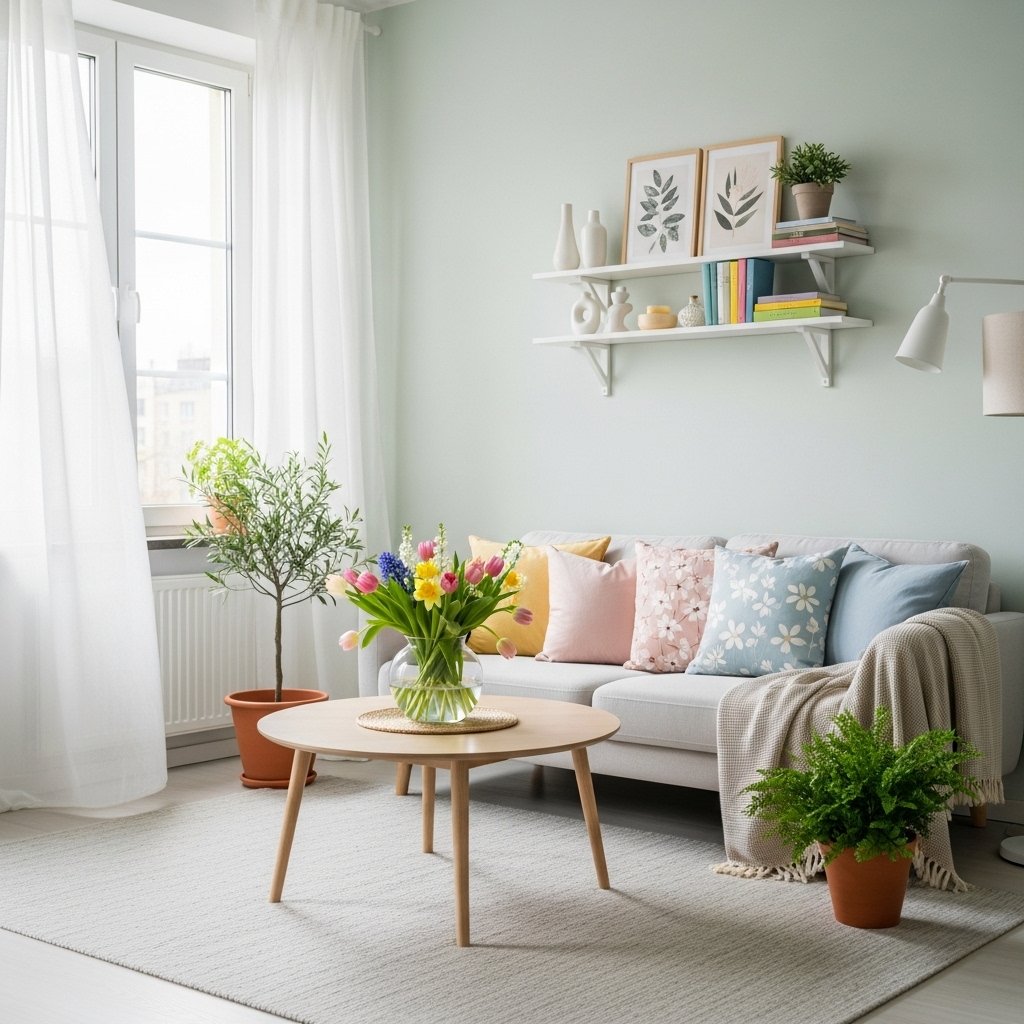
A small apartment living room bathed in soft morning light filtering through floor-length sheer ivory linen curtains. A cream linen sofa with sage green and blush throw pillows. A large arched brass mirror reflecting natural light. Warm neutral tones throughout. Minimal, editorial, architectural photography style. Shot on a Canon 5D, f/2.8, natural light only.
“In small apartment design, light is not a feature — it is the architecture. Everything else is secondary.”
Section 02 — Biophilic Design
Plants & Botanicals: The Science of Living Decor
Biophilic design — the intentional incorporation of natural elements into interior spaces — is one of the most well-researched approaches to improving how a space feels and functions. For spring living rooms in small apartments, botanical elements are not merely decorative. They are foundational to creating a space that feels genuinely alive, seasonal, and emotionally resonant.
07
Architect a Windowsill Plant Display
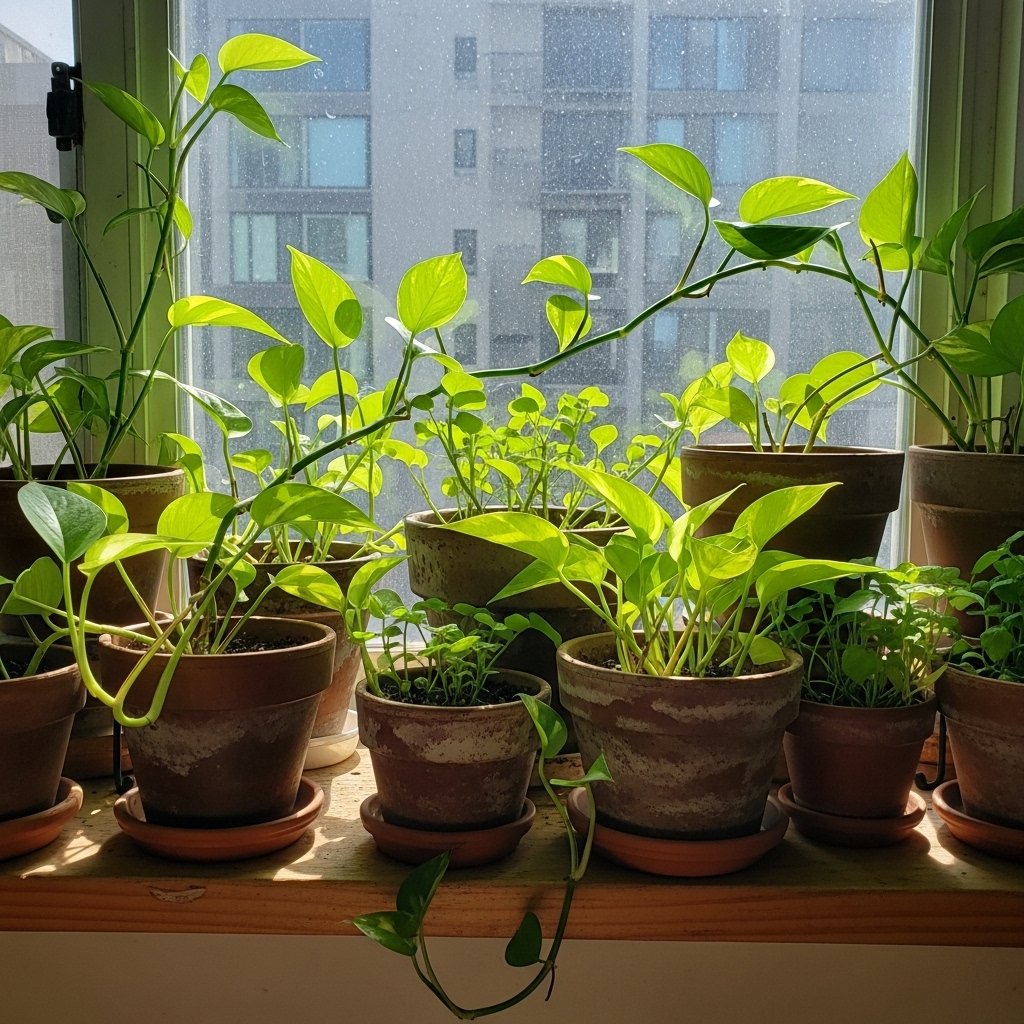
A windowsill arrangement of three to five plants at varying heights creates one of the most photographed and saved compositions in spring home decor. Use a combination of trailing plants (pothos, string of pearls), compact succulents, and a small herb pot. The silhouette against diffused window light is architecturally beautiful and costs under twenty dollars.
08
Use Vertical Botanical Elements to Add Height
In a small living room, ceiling height is a perceived limitation that can be addressed through vertical botanical placement. A tall glass vase with eucalyptus branches, dried pampas grass, or budding branches draws the eye upward and creates the perceptual effect of higher ceilings. This is one of the most overlooked and highest-impact tricks in small space design.Pro tip: Use branches from your local market or garden — they cost less than florals and last longer.
09
Implement a Macramé Hanging Planter System
Wall and ceiling space is the most underutilized real estate in a small apartment. A macramé hanging planter uses zero floor or surface area while adding organic texture, natural fiber warmth, and a living plant element at eye or above-eye level. This approach is particularly effective in apartments with limited shelf or table space.
10
Incorporate a Weekly Fresh Flower Practice
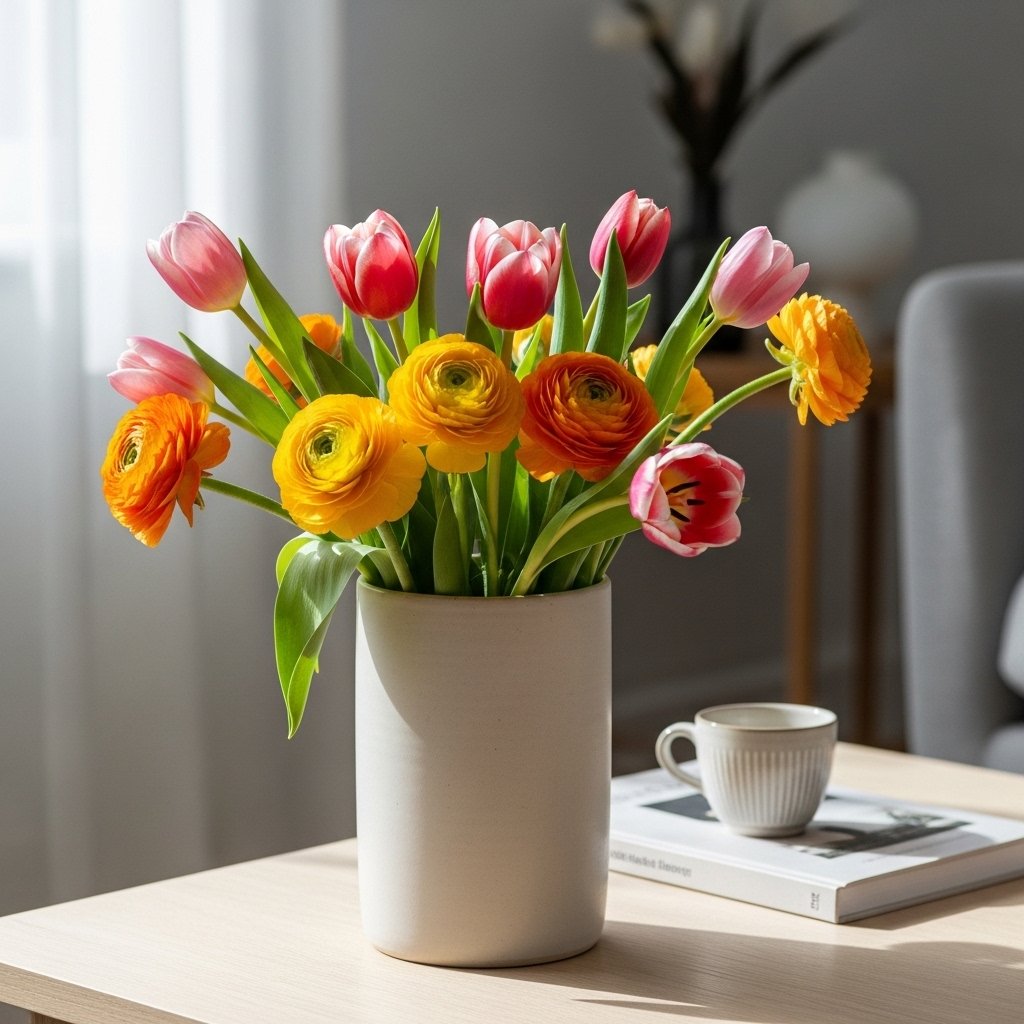
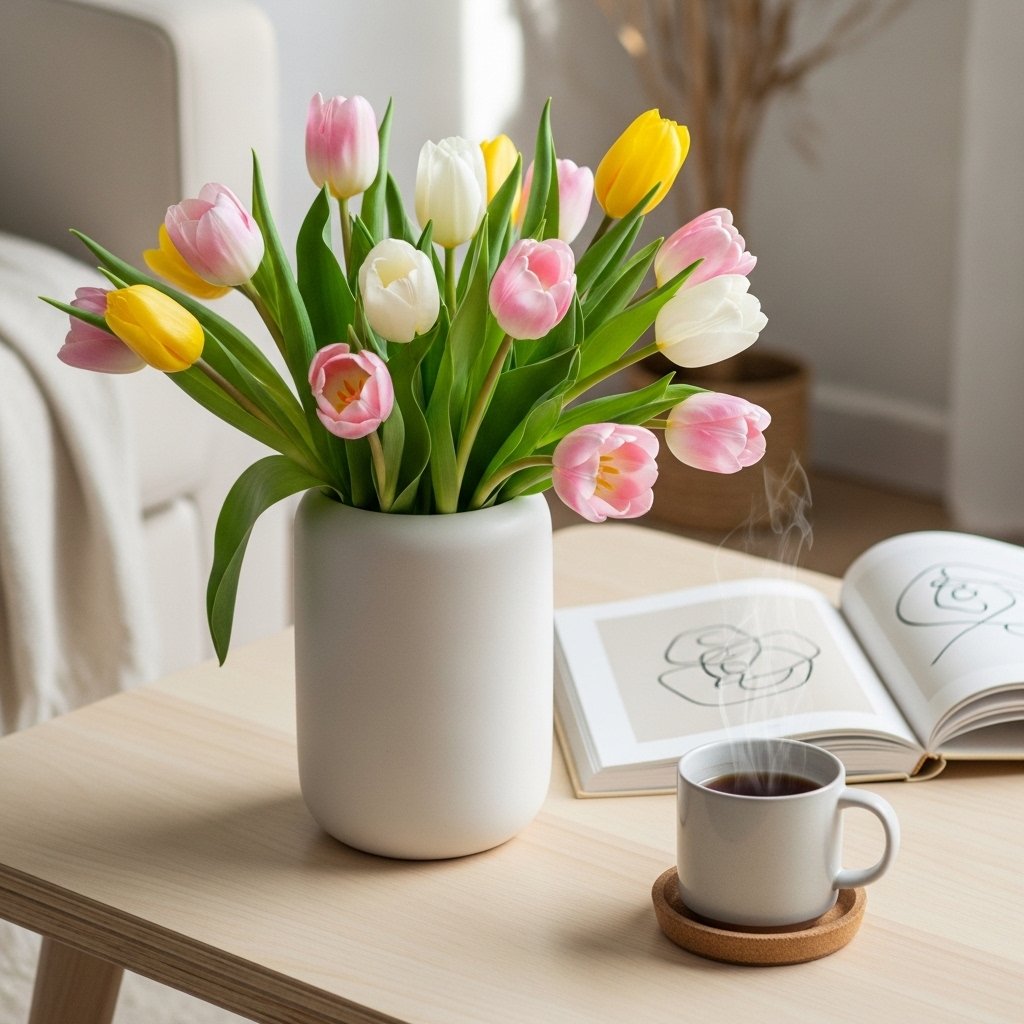
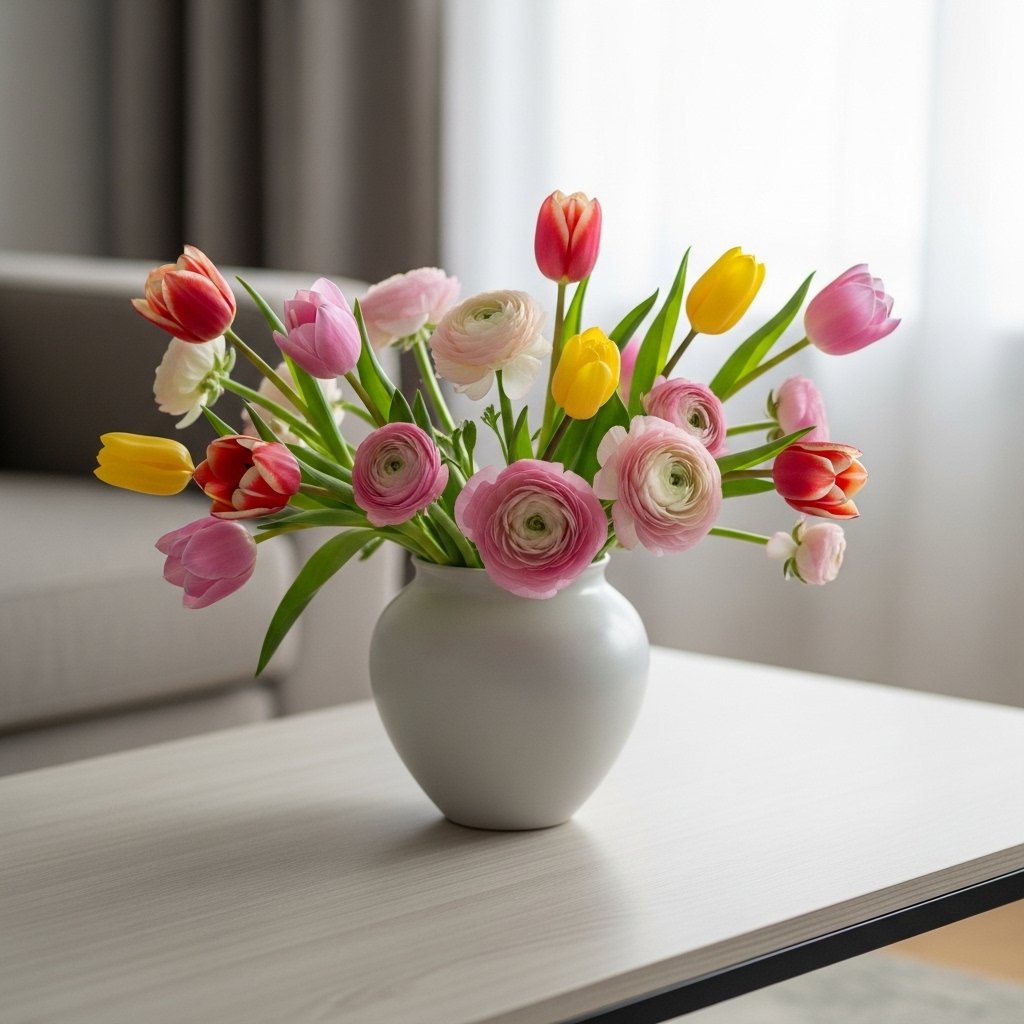
A single bunch of seasonal flowers — tulips, ranunculus, anemones, or daffodils — placed in a simple ceramic or glass vase on the coffee table is the fastest and most effective spring refresh available. The weekly renewal of fresh flowers creates a living, evolving quality to your interior that no permanent decor element can replicate.
11
Select One Statement Plant as a Focal Point
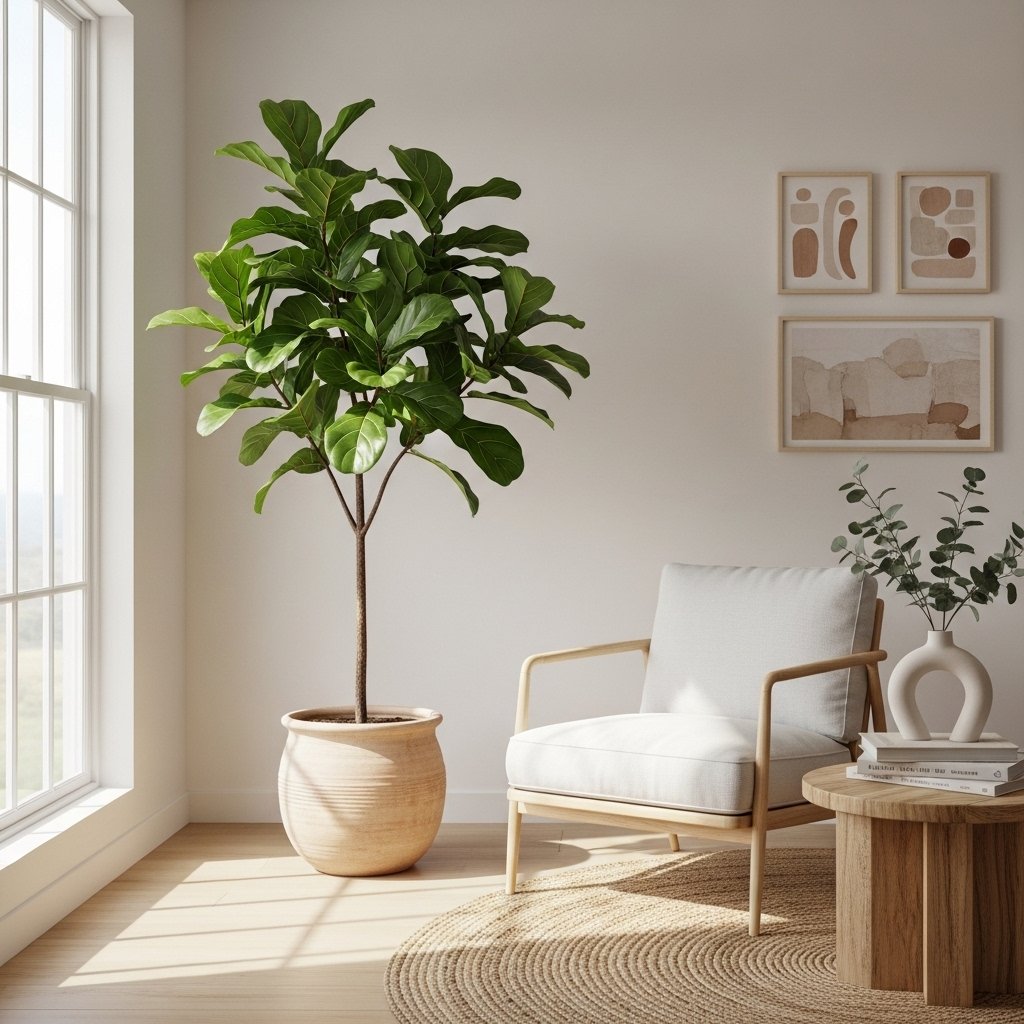
Rather than distributing many small plants throughout a room, consider investing in one statement plant — a fiddle leaf fig, a large monstera, or a mature snake plant — and giving it a dedicated, well-lit position. A single, well-chosen, well-placed plant has greater visual impact than six plants placed without intention.
12
Curate a Botanical Art Gallery Wall
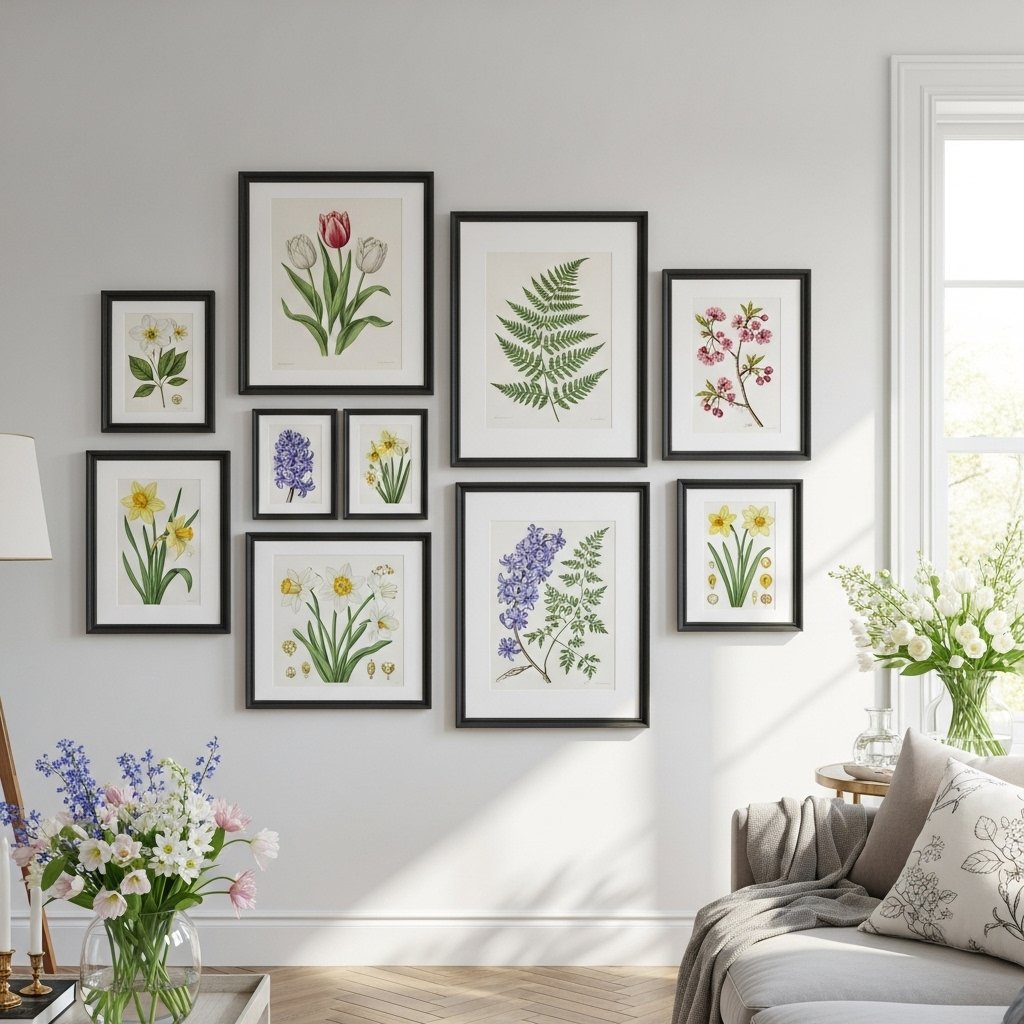
For spaces where live plants are impractical, a gallery wall of vintage botanical illustration prints provides the visual language of spring with zero maintenance. Frame three to five prints in matching simple frames — black or natural wood — and hang them in an asymmetric arrangement. The effect is collected, intentional, and endlessly saveable on Pinterest.
An apartment living room corner with a tall glass vase holding dried pampas grass and eucalyptus branches. A small macramé hanging planter with trailing pothos. A windowsill with three terracotta pots in morning sunlight. Warm neutral tones, natural textures, clean white walls. Editorial interior photography, wide angle, natural light.
Section 03 — Material Language
Texture & Natural Materials: The Architecture of Touch
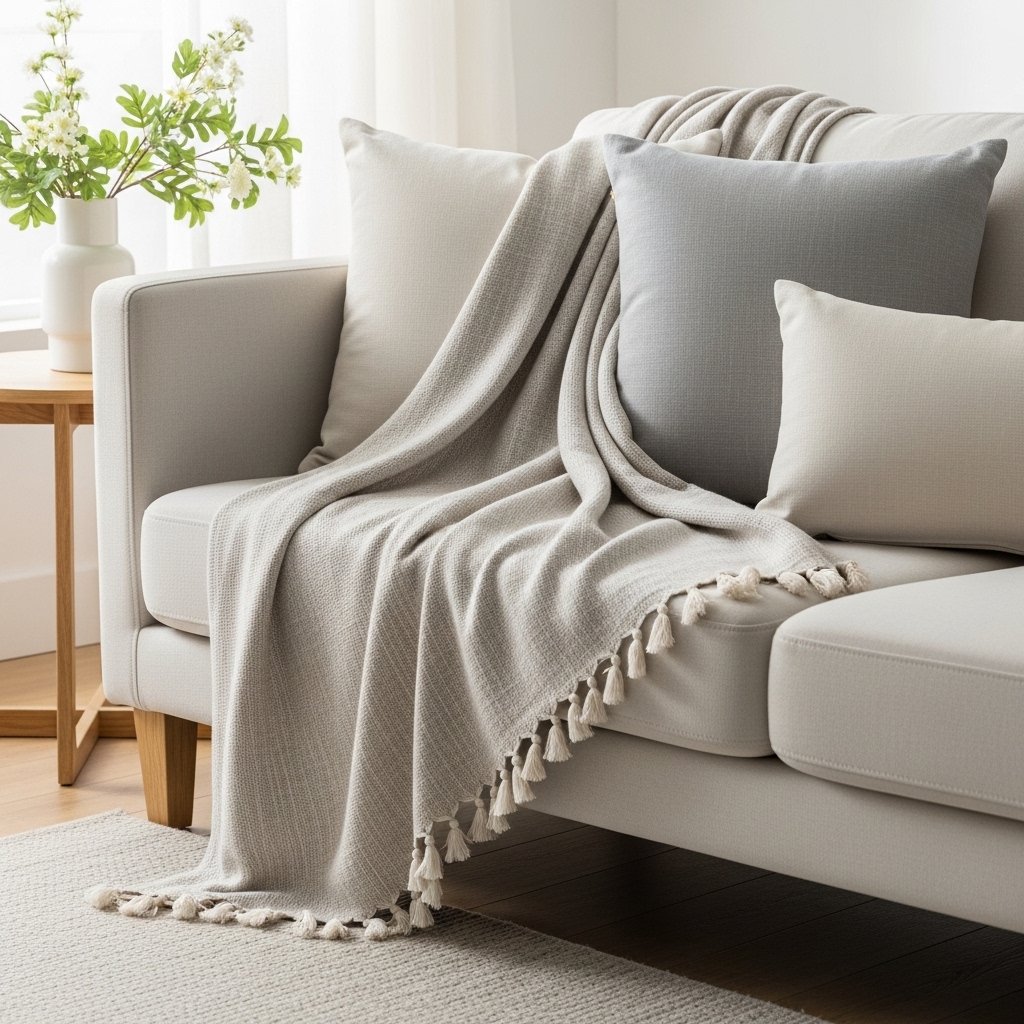
Professional interior designers know that the most photographed and emotionally compelling rooms are built as much on texture as on color. In spring design specifically, transitioning from the heavy, dense materials of winter — chunky knits, velvet, dark wool — to lighter, more organic materials is what creates the sensory experience of seasonal change. Here is how to do it with precision.
13
Execute a Strategic Textile Rotation
The single most impactful spring decor action you can take today is removing all winter textiles and replacing them with spring equivalents. Exchange chunky knit throws for lightweight cotton weave or linen throws. Replace heavy velvet cushion covers with linen or cotton slub alternatives. This rotation alone can transform the entire feeling of a room in under thirty minutes.
14
Anchor the Room with a Natural Fiber Rug
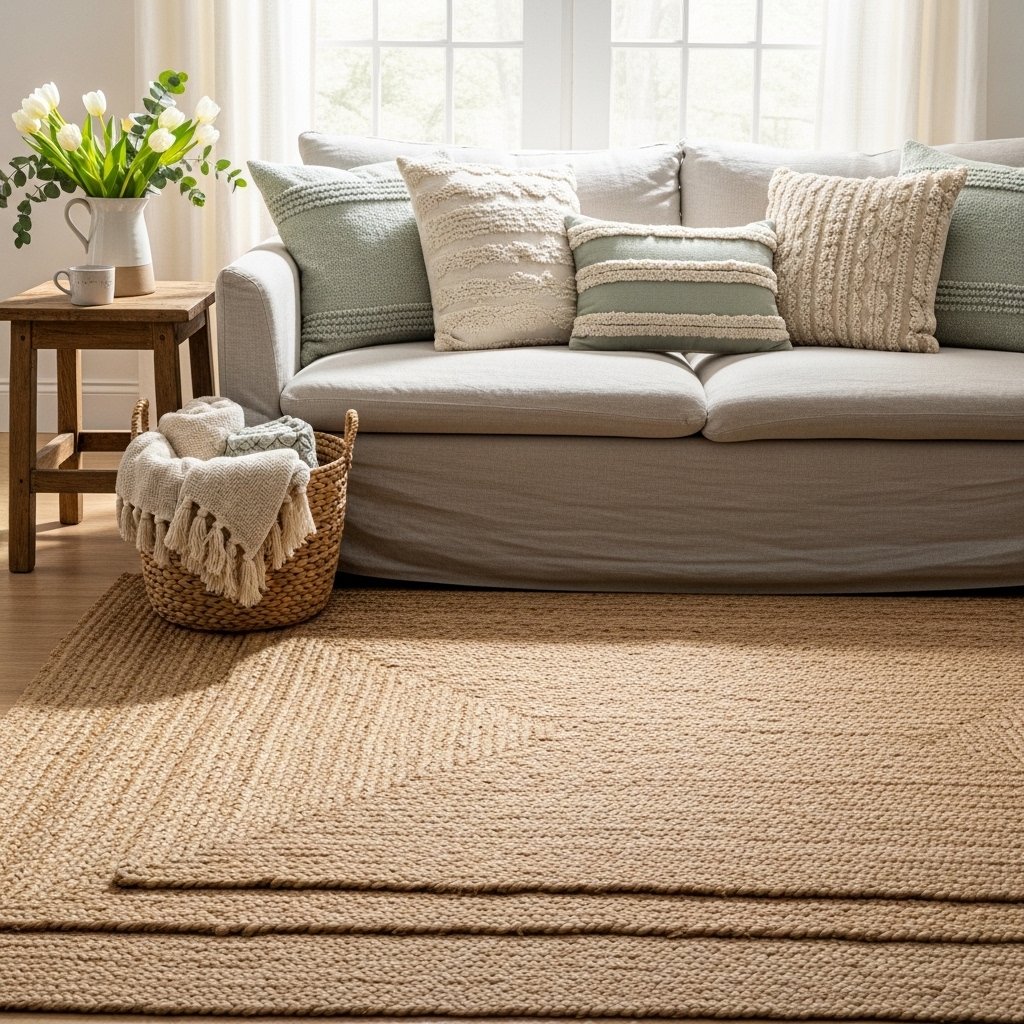
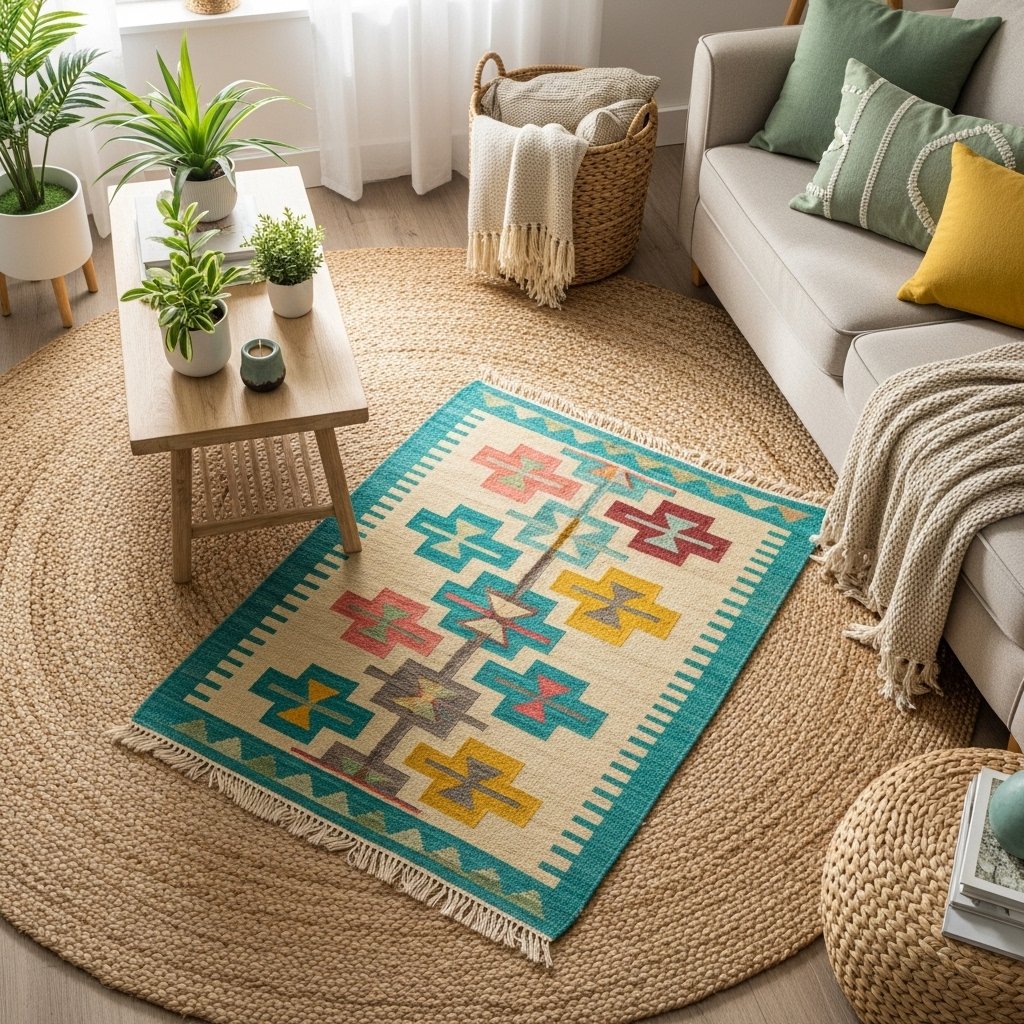
A jute, sisal, or seagrass rug grounds a spring living room in natural material language that reads as both intentionally designed and seasonally appropriate. Natural fiber rugs also photograph exceptionally well, capturing texture and warmth that synthetic alternatives cannot. Layer a smaller patterned rug on top for depth and editorial layering.Pro tip: Pair a 5×8 jute rug with a smaller 2×3 patterned kilim for a layered, high-design look.
15
Style a Disciplined Coffee Table Vignette
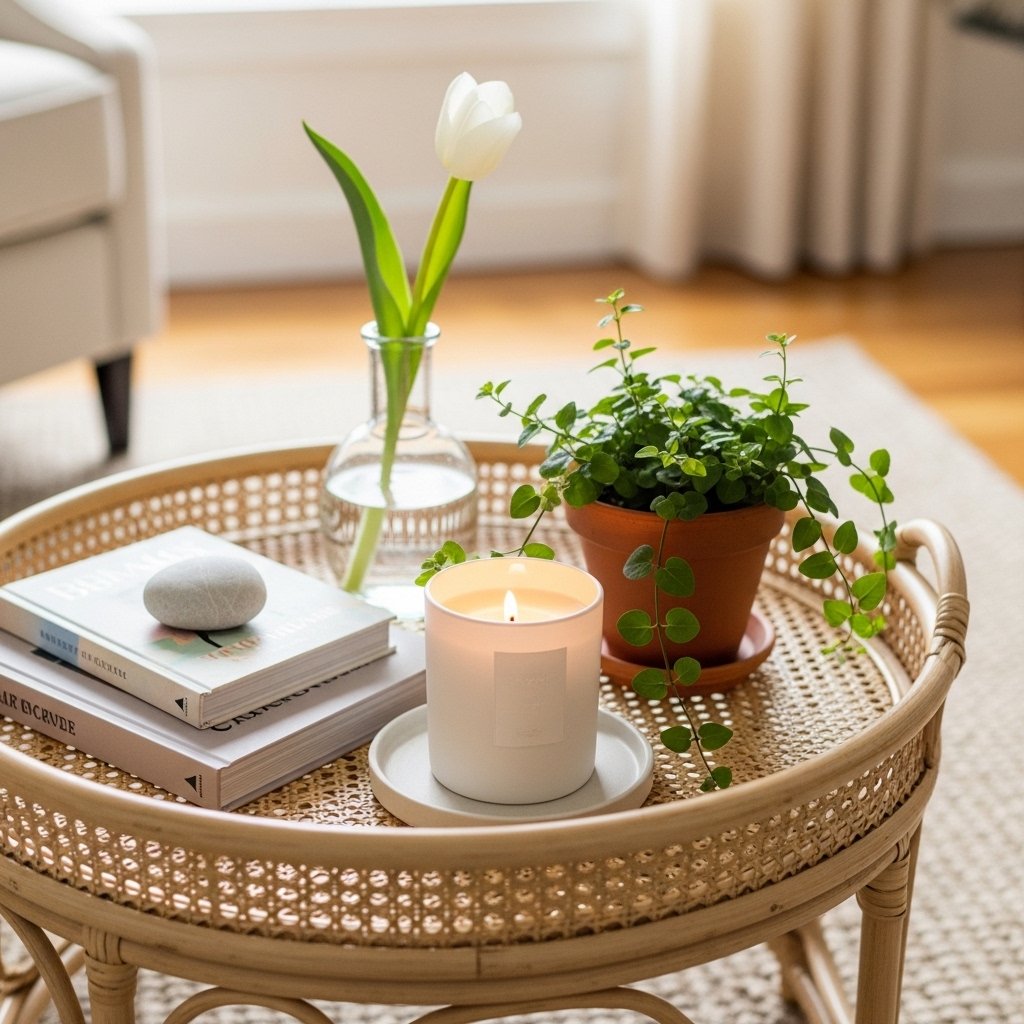
A coffee table vignette is one of the most pinned and saved compositions in home decor. The formula: one rattan or wooden tray as the anchor, one candle, one small plant or floral element, one decorative object (a crystal, a small ceramic, a stack of books). Edit aggressively. The rule is always fewer, better objects rather than more.
16
Introduce Rattan and Woven Accents
Rattan side tables, woven baskets, and cane-front furniture introduce natural material texture that is synonymous with warm-season design. In a small apartment, one or two rattan pieces — a side table, a floor lamp base, a storage basket — is sufficient to establish a coherent material language without overcrowding the space.
17
Apply a Linen or Cotton Sofa Slipcover
A well-fitted linen slipcover is arguably the highest return-on-investment spring decor purchase available. It transforms the visual weight and color of your sofa — the dominant object in your living room — at a fraction of the cost of a new piece. Choose ivory, warm white, or light natural linen for maximum spring effect.
18
Use Ceramic and Earthenware as Material Accents
Handmade-looking ceramic vases, bowls, and planters in matte finishes — cream, warm white, sage, terracotta — add organic material richness to shelves and surfaces. They are particularly effective because they read as both decorative objects and functional containers, which satisfies the small-space principle of every item serving multiple purposes.
A close-up styled vignette on a light oak coffee table. A round rattan tray holding a matte white ceramic candle holder, a small jade plant in a terracotta pot, and a stack of three coffee table books with linen spines. A lightweight cotton throw casually draped in the background. Warm, diffused light. Shallow depth of field, lifestyle photography.
“Texture is the element that makes a room feel inhabited rather than decorated. It is the difference between a space that looks good in photos and one that feels good in person.”
Section 04 — Space Intelligence
Small Space Strategy: Designing Smarter, Not Bigger
The most common mistake in small apartment spring decorating is adding without editing. Effective small-space spring design is as much about what you remove as what you introduce. These six ideas apply professional space-planning principles to the practical reality of apartment living.
19
Conduct a Seasonal Edit Before Adding Anything
Before introducing any new spring element, remove everything that communicates winter: heavy throws, dark artwork, dense candles, thick rugs, dark-toned decorative objects. This editing process alone — which costs nothing — will create an immediate sense of spring lightness. Addition is effective only when subtraction precedes it.
20
Float Your Furniture Away from Walls
The counterintuitive truth of small space design is that pulling furniture away from walls — even by four to six inches — makes a room feel larger, not smaller. The visible gap between furniture and wall creates a sense of breathing room and deliberate layout. It also allows light to circulate more naturally throughout the space.Pro tip: Float your sofa and position a slim console or bench behind it to fill the gap purposefully.
21
Design Vertically with Purpose
In a small living room, the area between the top of your tallest furniture and your ceiling is typically wasted. A tall, slim bookshelf styled with plants at the top level, books at mid-level, and ceramics at eye level creates a vertical composition that draws the eye upward, adds perceived ceiling height, and provides significant storage without consuming floor area.
22
Rearrange Before You Redecorate
Furniture rearrangement is the zero-cost transformation that most people overlook. Moving your primary seating to face a window rather than a wall, repositioning an accent chair to create a reading corner, or simply rotating your existing layout by 45 degrees can produce a room that feels entirely new without spending anything.
23
Create a Dedicated Spring Reading Nook
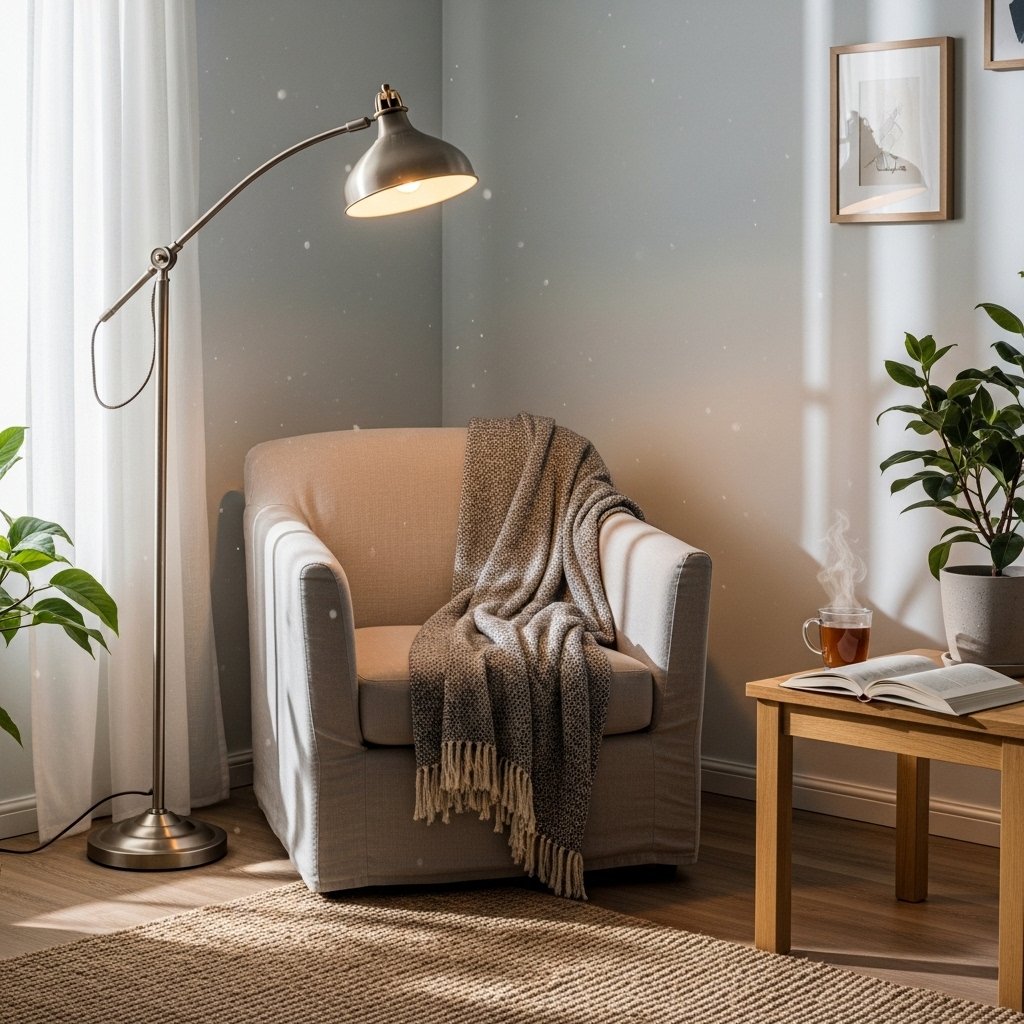
A reading nook — a single chair positioned near a light source with a floor lamp, a small side table, and a plant — is one of the most emotionally resonant small space interventions possible. It creates a sense of purpose and intentionality in a corner that might otherwise accumulate clutter. It also photographs beautifully for social content.
24
Apply the One-In, One-Out Spring Rule
For every spring decor item you bring into your apartment, commit to removing one existing item. This principle — borrowed from capsule wardrobe methodology — prevents the accumulation that makes small spaces feel chaotic. It also forces prioritization: every addition must be worth a subtraction, which naturally elevates the quality of every decision you make.
Image Prompt 04 — Small Space
A small apartment reading nook in a sunlit corner. A cream linen armchair with a sage green throw, a slim natural wood side table holding a white ceramic mug and a small succulent, a tall arched floor lamp with a warm white shade, a trailing plant on a floating shelf nearby. Clean white walls, natural oak flooring. Architectural interior photography, natural light, calm and intentional.
Expert Checklist
Your Spring Transformation Checklist
Remove all winter-weight textiles and replace with linen or cotton alternatives
Swap heavy curtains for sheer linen panels hung close to the ceiling
Position a mirror opposite your primary light source
Introduce at least three plants at varying heights
Float furniture away from walls by four to six inches
Style one intentional coffee table vignette using the tray method
Add one vertical botanical element to draw the eye upward
Apply the one-in, one-out rule to every new spring purchase
The Expert Perspective: Spring as Design Discipline
The most effective spring living room transformations are not the result of purchasing more. They are the result of thinking more clearly about what a space needs — and what it does not. Light over darkness. Organic material over synthetic. Intention over accumulation. Editing over addition.
These 24 spring living room decor ideas for small apartments are grounded in real interior design principles: biophilic design, spatial psychology, material theory, and the visual logic of composition. Each idea is executable this weekend. Most require no significant financial investment. All of them will change how your apartment feels — and more importantly, how you feel inside it.
Spring is not a season. In interior design, it is a methodology. And the apartment that embraces that methodology — however small, however modest — becomes something genuinely worth coming home to.
Recent Comments