
23 Luxury Living Room Decor Ideas for Elegant Home Style
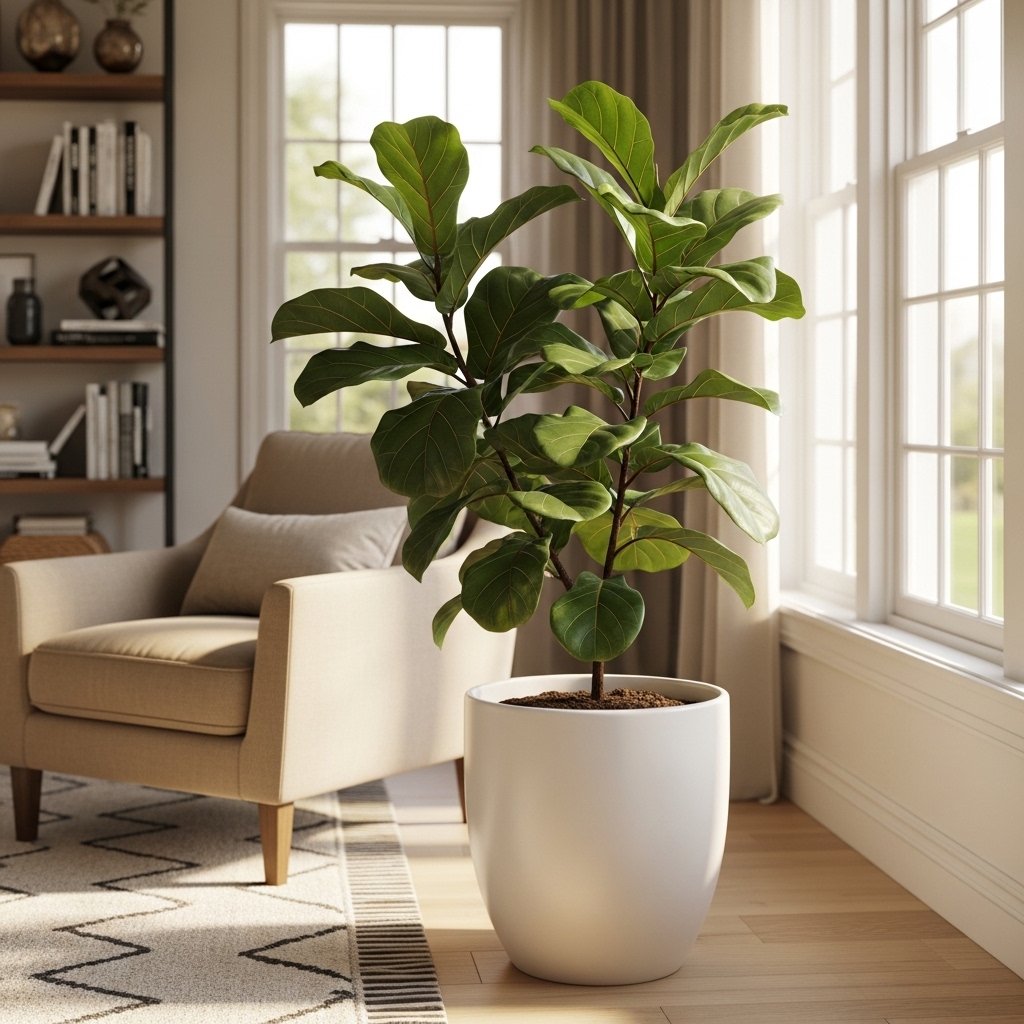
Transform your living space into a five-star sanctuary with these expert-curated luxury living room decor ideas — no interior designer required.
Your living room is the heart of your home. It is the first space guests see, the room where your family gathers, and the place where you unwind after a long day. So why settle for ordinary when you can have extraordinary?
Whether you are starting from scratch or looking to refresh your current setup, luxury living room decor does not have to mean spending a fortune. With the right ideas, the right materials, and a confident design approach, you can create an elegant, high-end space that feels both sophisticated and genuinely livable.
In this guide, I have put together 23 of the best luxury living room ideas — covering everything from furniture and lighting to color palettes and finishing touches. Each idea is designed to add real, lasting elegance to your home. Let us get into it.
What Makes a Living Room Feel Truly Luxurious?
Before we jump into the ideas, it helps to understand what separates a truly luxurious living room from one that just looks expensive. Luxury is not about price tags. It is about quality, cohesion, comfort, and intention.
A luxury living room typically has three things working together: a strong, consistent color palette; high-quality materials that feel as good as they look; and layered lighting that shifts the mood of the room. Get those three right and everything else falls into place.
Luxury is not about showing how much you spent. It is about showing how thoughtfully you designed.
Color and Foundation: Setting the Luxury Tone
1. Build Your Palette Around Neutral Anchors
The foundation of every elegant living room starts with color. Luxury interiors almost always lean on rich neutrals — deep creams, warm taupes, charcoal grays, and soft whites. These tones create a timeless, sophisticated backdrop that lets your furniture and accessories shine.
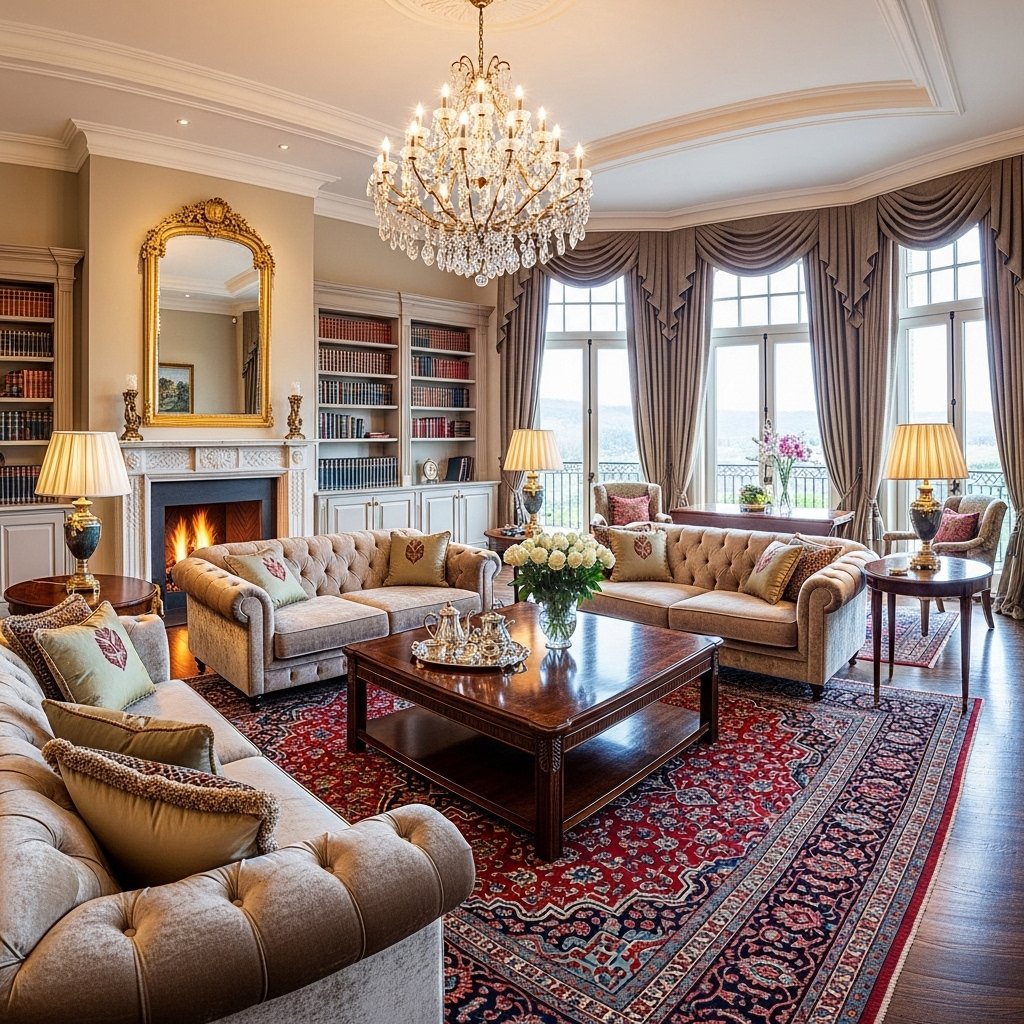
For your walls, consider shades like Benjamin Moore’s ‘White Dove,’ Sherwin-Williams ‘Accessible Beige,’ or a deep, moody charcoal for a bolder statement. Pair your wall color with trim in a slightly lighter or slightly darker shade of the same family to create subtle visual depth.
Pro Tip: Test paint samples in both natural daylight and evening lamp light before committing. Luxury colors shift dramatically depending on lighting.
2. Introduce One Bold Accent Color
Once your neutral base is set, introduce one deliberate accent color. In luxury living rooms, popular accent choices include deep emerald green, rich sapphire blue, dusty rose, and warm burnt gold. This color should appear in at least three places — perhaps in a velvet throw pillow, a piece of artwork, and a decorative vase — to feel intentional rather than accidental.
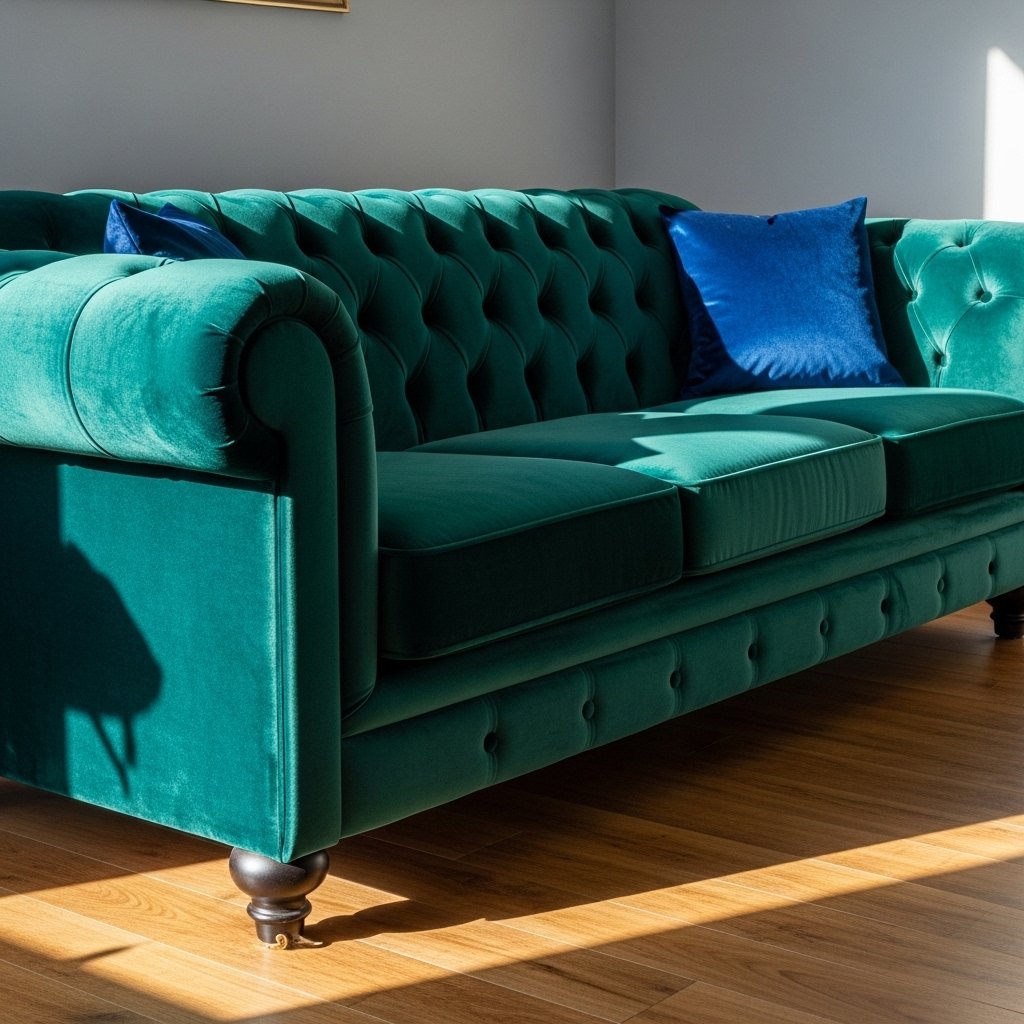
Avoid using more than two accent colors. In high-end interior design, restraint is everything. The more disciplined your palette, the more polished the result.
3. Use Dark Ceilings for Drama
One of the most underused luxury living room decor ideas is painting the ceiling a shade darker than the walls. This technique — sometimes called the ‘fifth wall’ approach — lowers the visual height of a room and creates a sense of enclosure that feels incredibly intimate and luxurious.
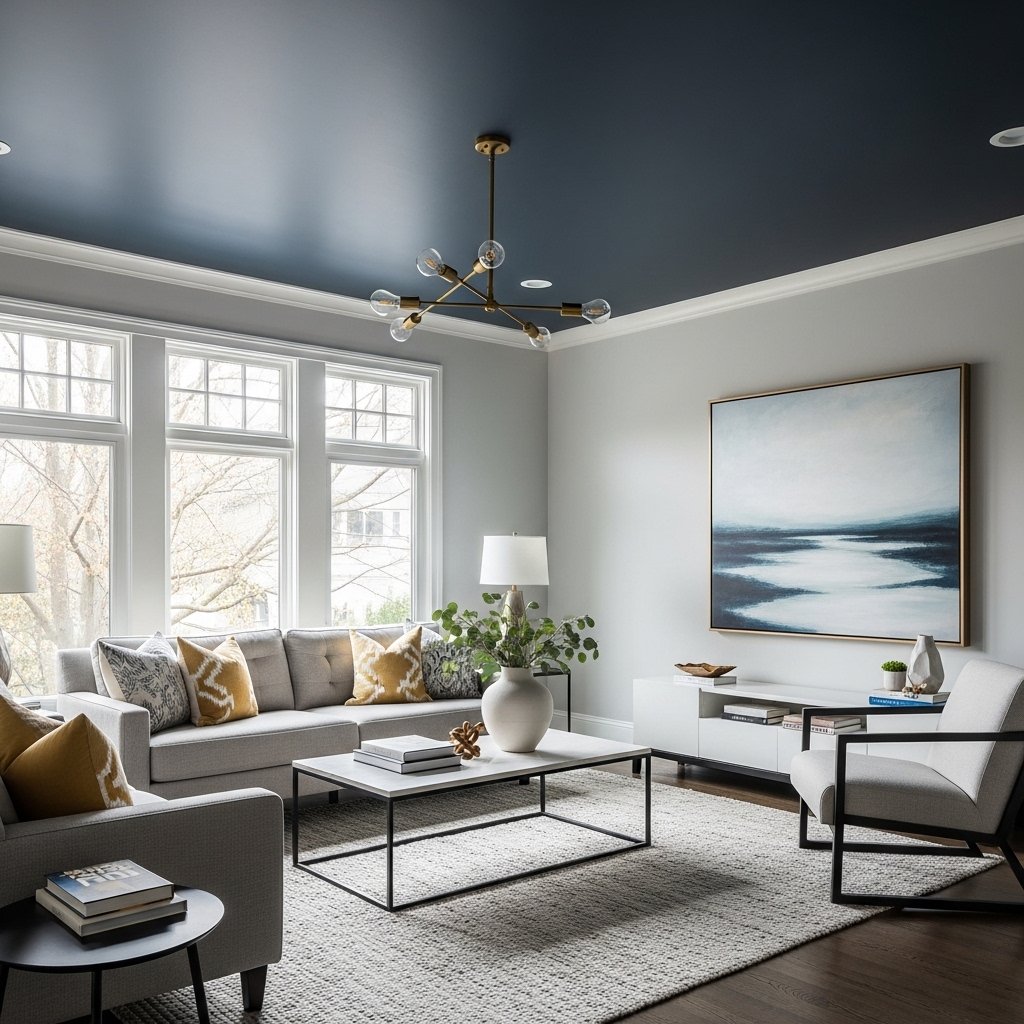
Try a deep navy, charcoal, or forest green on the ceiling while keeping walls in a soft complementary neutral. The contrast adds drama without overwhelming the space.
Furniture: The Backbone of Elegant Living Room Design
4. Invest in One Statement Sofa
If there is one piece of furniture worth splurging on in a luxury living room, it is the sofa. A well-made, beautifully upholstered sofa anchors the entire room and sets the design tone for everything else.
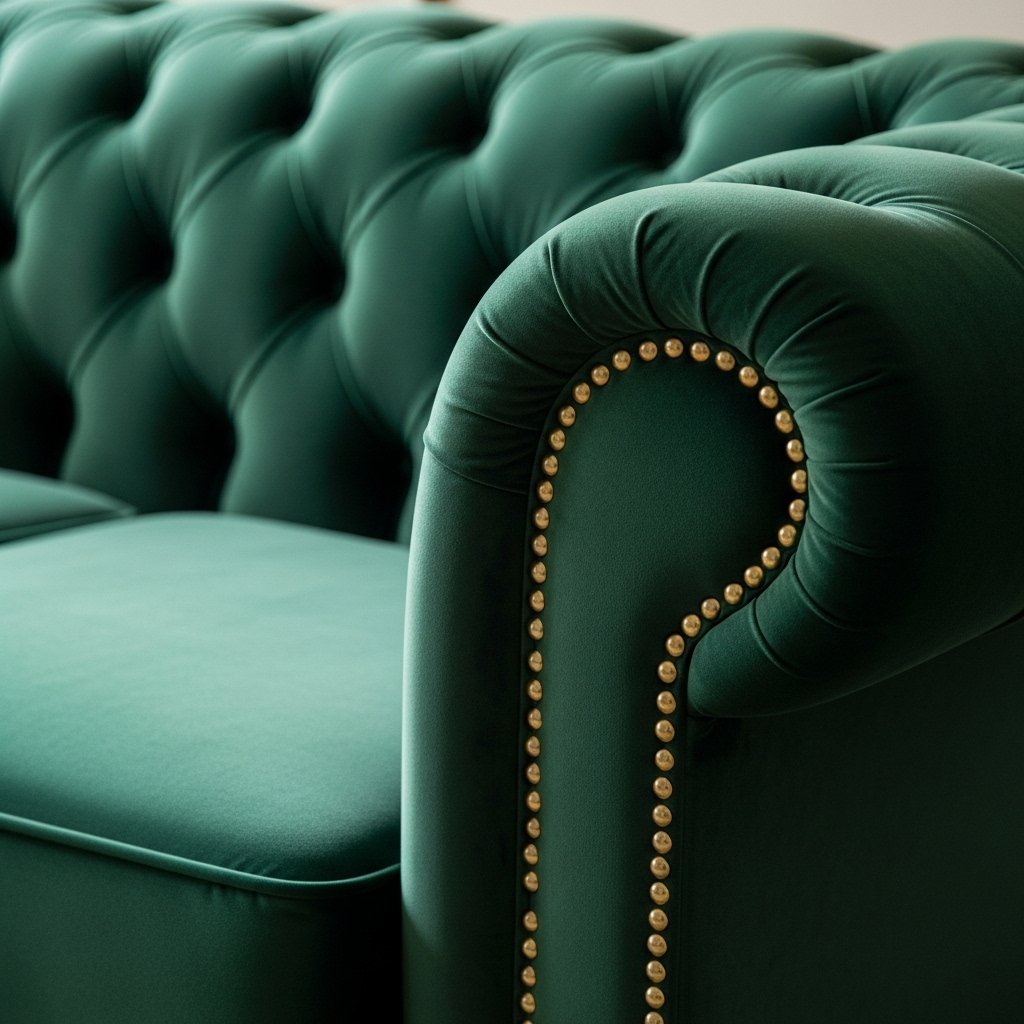
Look for sofas with solid hardwood frames, high-density foam cushions, and upholstery in fabrics like linen, velvet, or bouclé. Silhouettes that work well in luxury spaces include tufted Chesterfields, low-profile Italian-style sectionals, and clean-lined Lawson sofas in neutral or jewel tones.
Shopping Tip: Brands like Article, West Elm, and RH (Restoration Hardware) offer high-quality options across a range of budgets. Always sit in a sofa before buying if possible.
5. Choose Furniture with Legs
This is a detail that makes an enormous visual difference. Furniture raised on legs — whether it is a sofa, armchair, or coffee table — creates an airy, elevated feel that is a hallmark of luxury interior design. It also makes rooms feel larger because it allows the eye to travel across the floor uninterrupted.
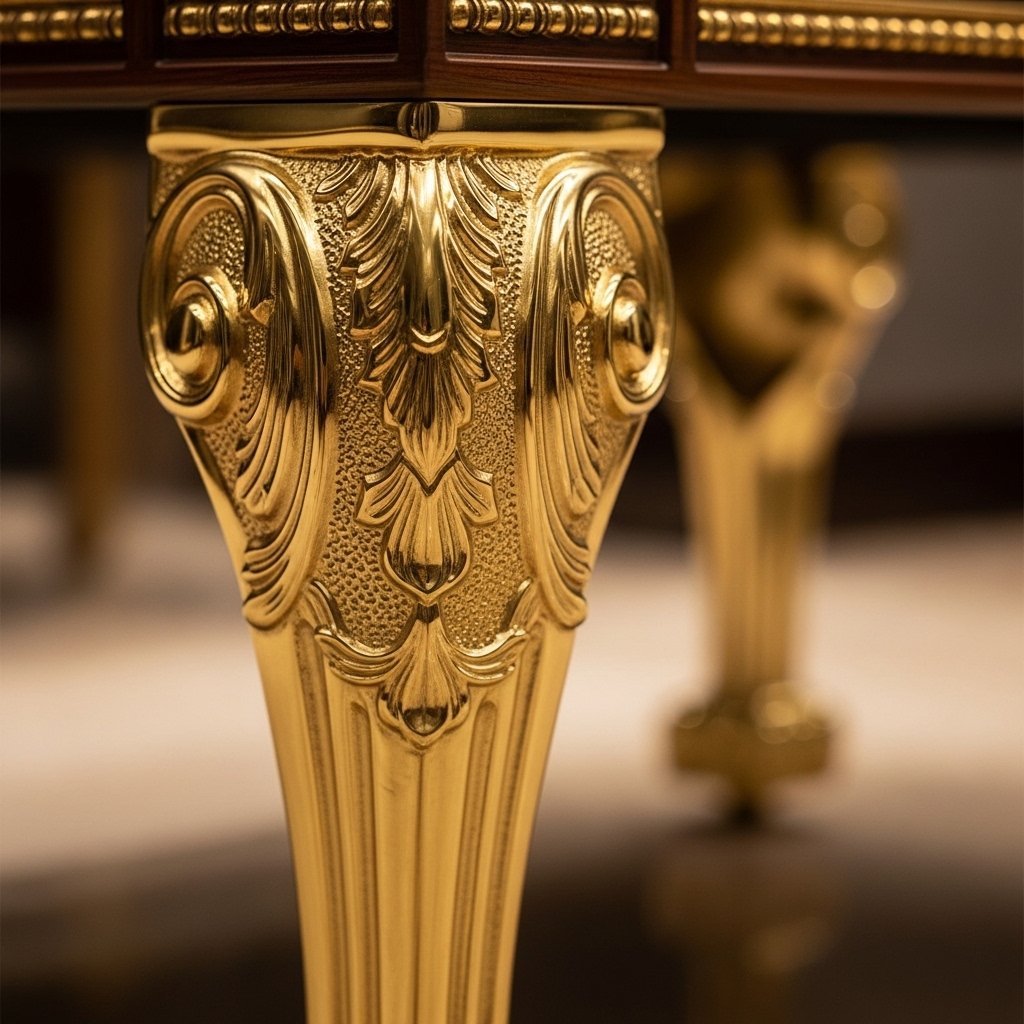
Opt for furniture with slim brass, gold, or dark walnut legs. Avoid furniture that sits directly on the floor unless you are going for a very specific intentional look.
6. Layer Seating with Occasional Chairs
Luxury living rooms rarely rely on a single seating configuration. Instead, they layer different types of seating — a main sofa, a pair of accent chairs, and perhaps a chaise lounge or an upholstered bench. This not only adds visual interest but also makes the room feel more functional and inviting.
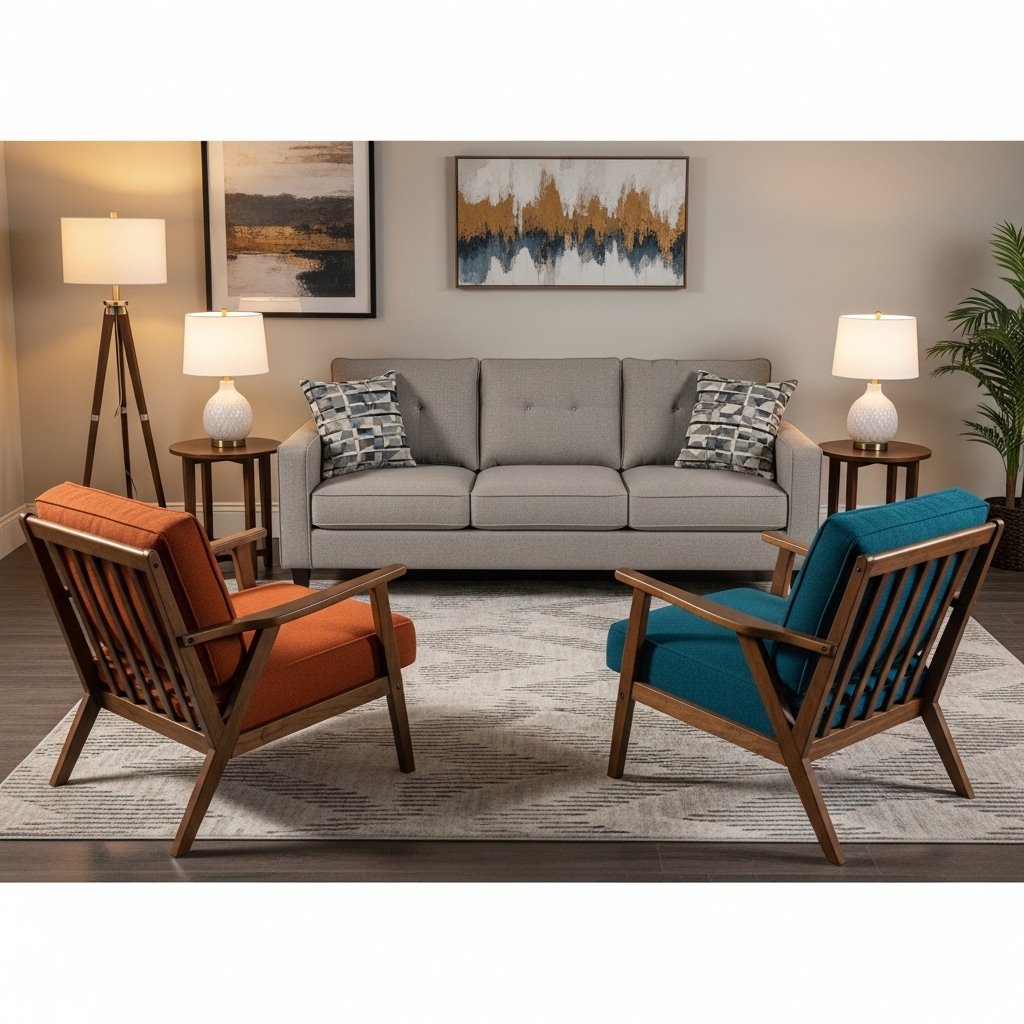
Accent chairs are a brilliant opportunity to introduce a contrasting fabric or color. If your sofa is in a neutral linen, consider a pair of deep velvet armchairs in a complementary jewel tone. The contrast creates the kind of intentional tension that defines high-end design.
7. Add a Statement Coffee Table
The coffee table is one of the most visible pieces in any living room, and in a luxury space it deserves special attention. Go for materials that feel substantial — think marble, thick glass, lacquered wood, or brushed brass.
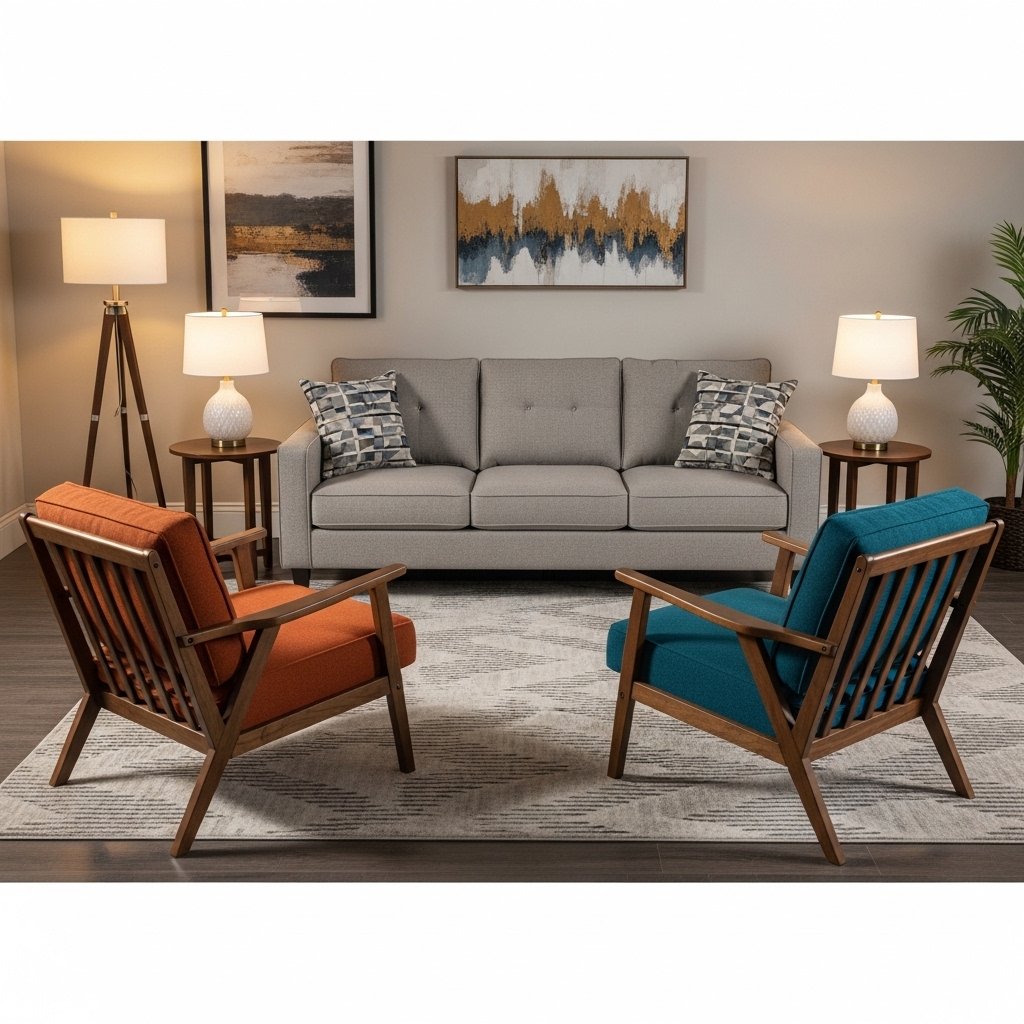
A round or oval coffee table softens a room filled with angular furniture. A rectangular travertine or marble slab feels architectural and bold. Whichever shape you choose, scale matters: your coffee table should be roughly two-thirds the length of your sofa.
Lighting: The Secret Weapon of Luxury Rooms
8. Layer Three Types of Lighting
Professional interior designers always design with three layers of light: ambient (overhead), task (reading lamps, table lamps), and accent (picture lights, floor lamps, candles). This layered approach is what gives luxury rooms their warm, dimensional glow.
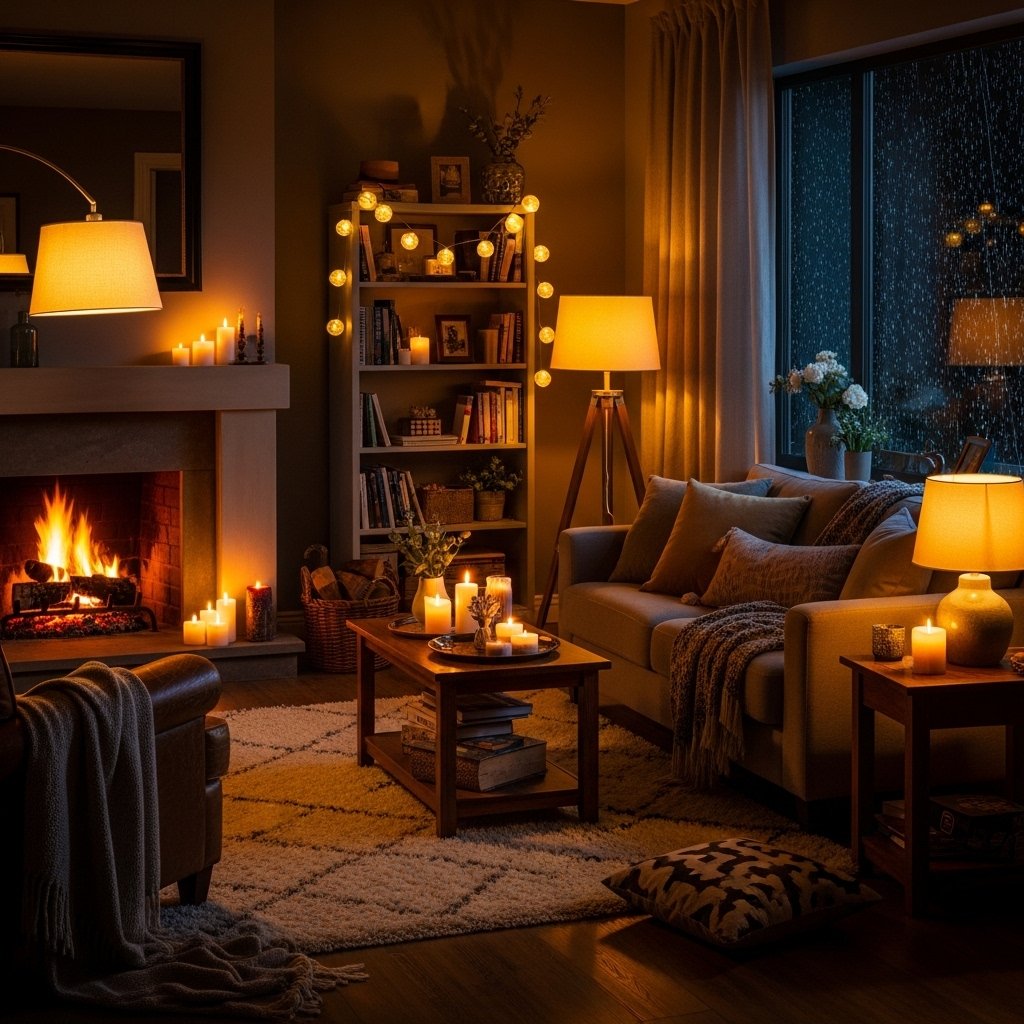
Overhead lighting alone creates a flat, unflattering environment. When you add table lamps and accent lights, you transform the atmosphere entirely. Install dimmer switches wherever possible so you can control the mood of each layer independently.
9. Make a Statement with Your Chandelier or Pendant
In a luxury living room, the overhead light fixture is not just a light source — it is a piece of art. A dramatic chandelier, an oversized drum pendant, or a sculptural pendant light draws the eye upward and adds instant architectural drama.
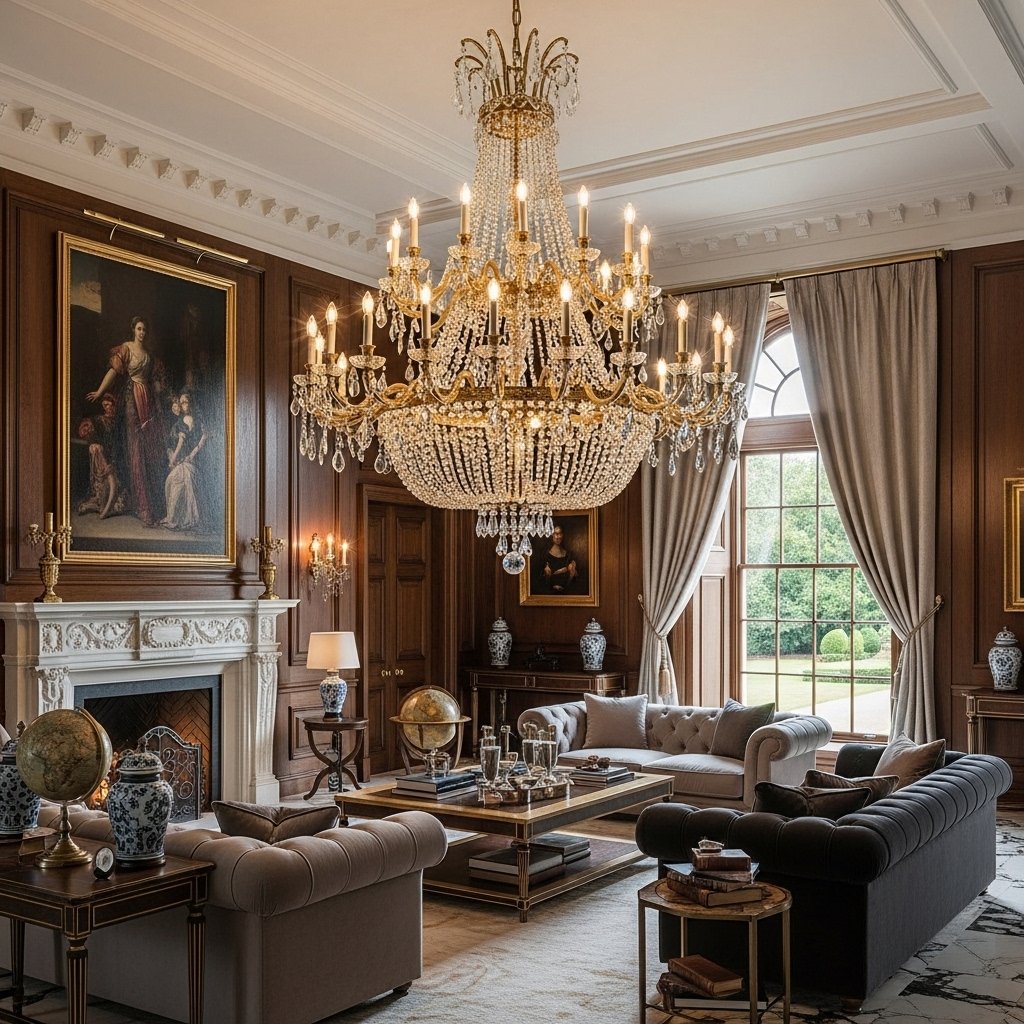
For ceiling heights of 8 to 9 feet, a chandelier hung with the bottom at around 7 feet works well. For higher ceilings, go bigger and lower. Do not underestimate scale here — a chandelier that is too small looks lost and cheap, while one that is proportionally bold looks magnificent.
10. Use Table and Floor Lamps as Sculptural Pieces
In luxury spaces, lamps are not afterthoughts. They are sculptural elements that contribute to the room’s aesthetic even when they are switched off. Look for lamps with interesting bases — carved stone, sculptured ceramic, aged brass, or hand-blown glass — and pair them with drum shades in linen or silk for a refined finish.
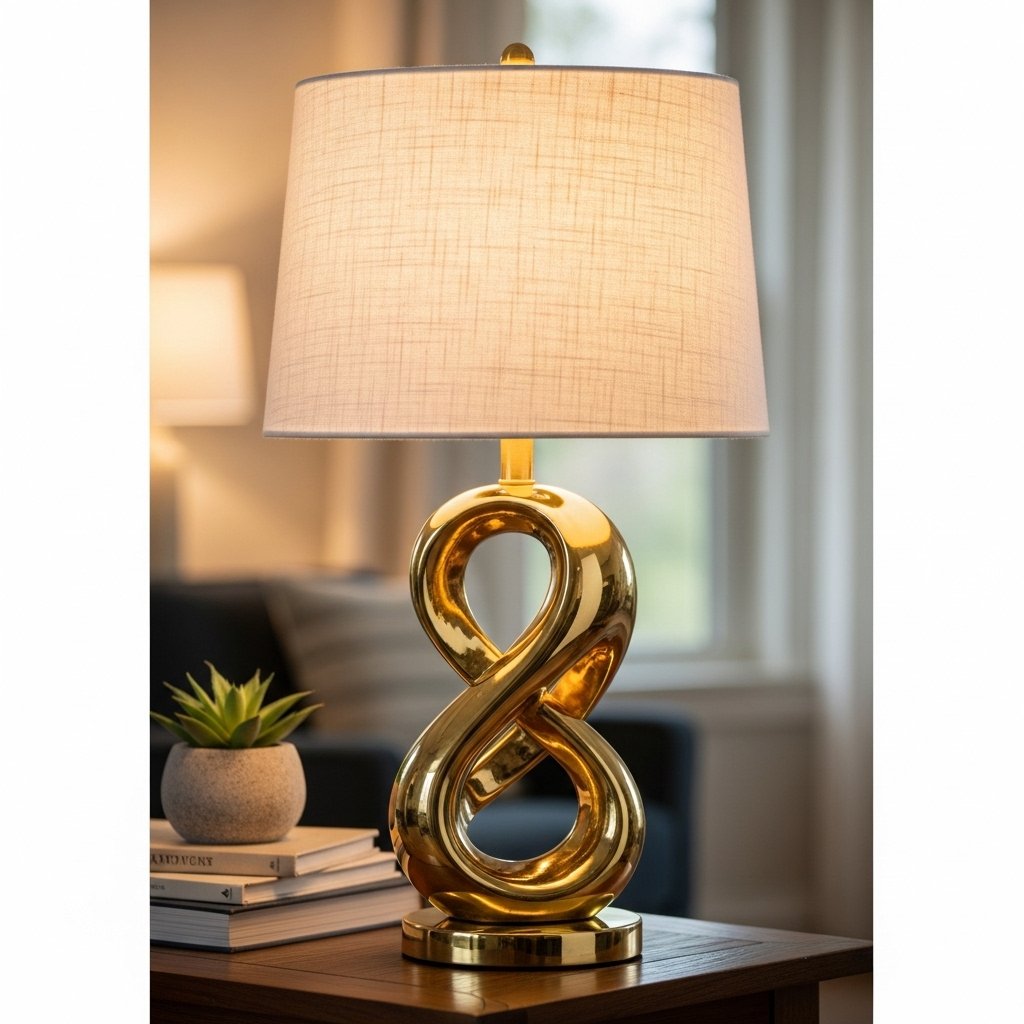
Aim for at least two table lamps and one floor lamp in a standard-sized living room. Vary the heights to create visual interest.
Textiles and Layering: Adding Richness and Warmth
11. Invest in a Quality Area Rug
A high-quality area rug is one of the fastest ways to elevate a living room from ordinary to luxurious. It defines the seating area, adds warmth underfoot, and introduces color, pattern, or texture in a way that wall paint or furniture cannot.
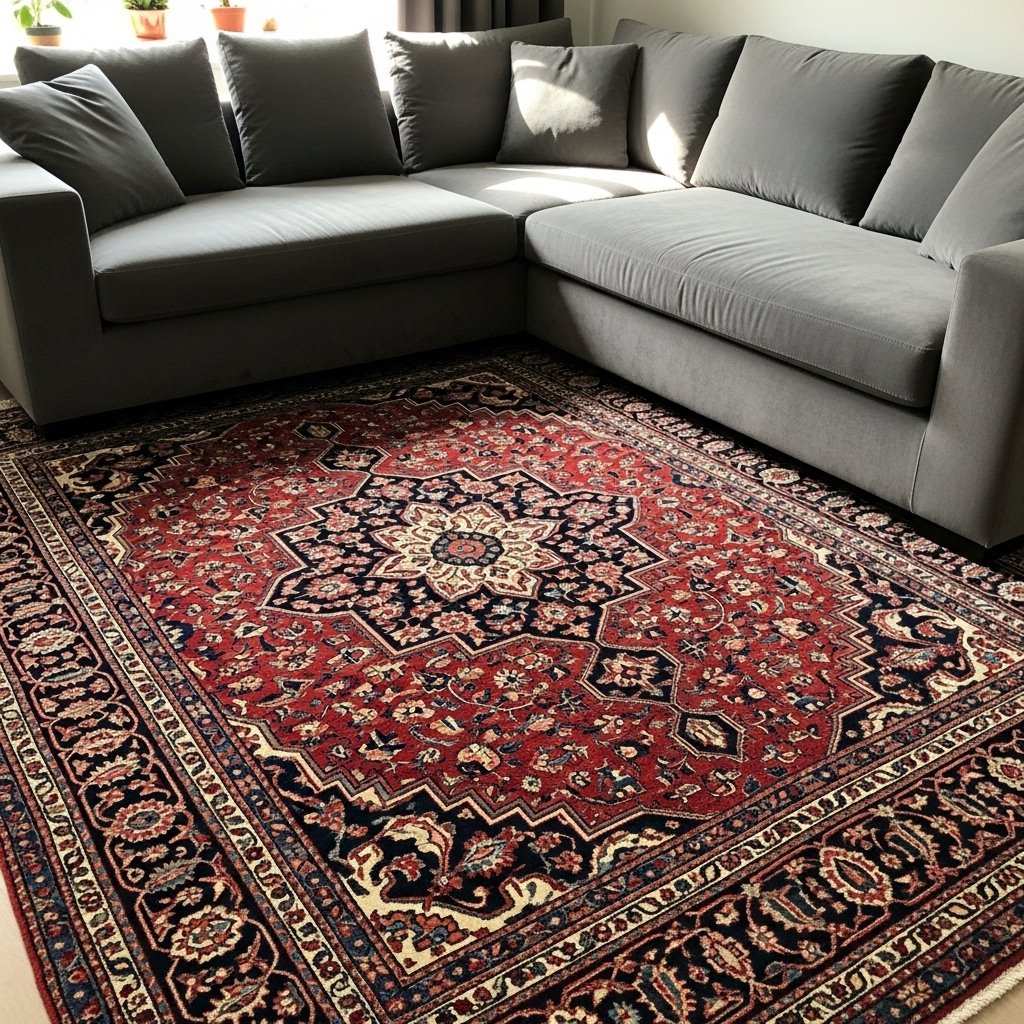
In luxury living rooms, the most popular rug choices include hand-knotted wool rugs, silk-blend Persian rugs, and natural fiber rugs like jute or sisal in neutral tones. Size is critical: the rug should be large enough that the front legs of all your main seating pieces sit on it comfortably.
Sizing Rule: For most living rooms, a 9×12 or 10×14 foot rug is the right choice. When in doubt, go bigger rather than smaller.
12. Layer Throws and Cushions Strategically
Cushions and throws are the finishing touches that make a luxury living room feel lived-in and inviting rather than cold and showroom-stiff. The key is to layer thoughtfully rather than pile on randomly.
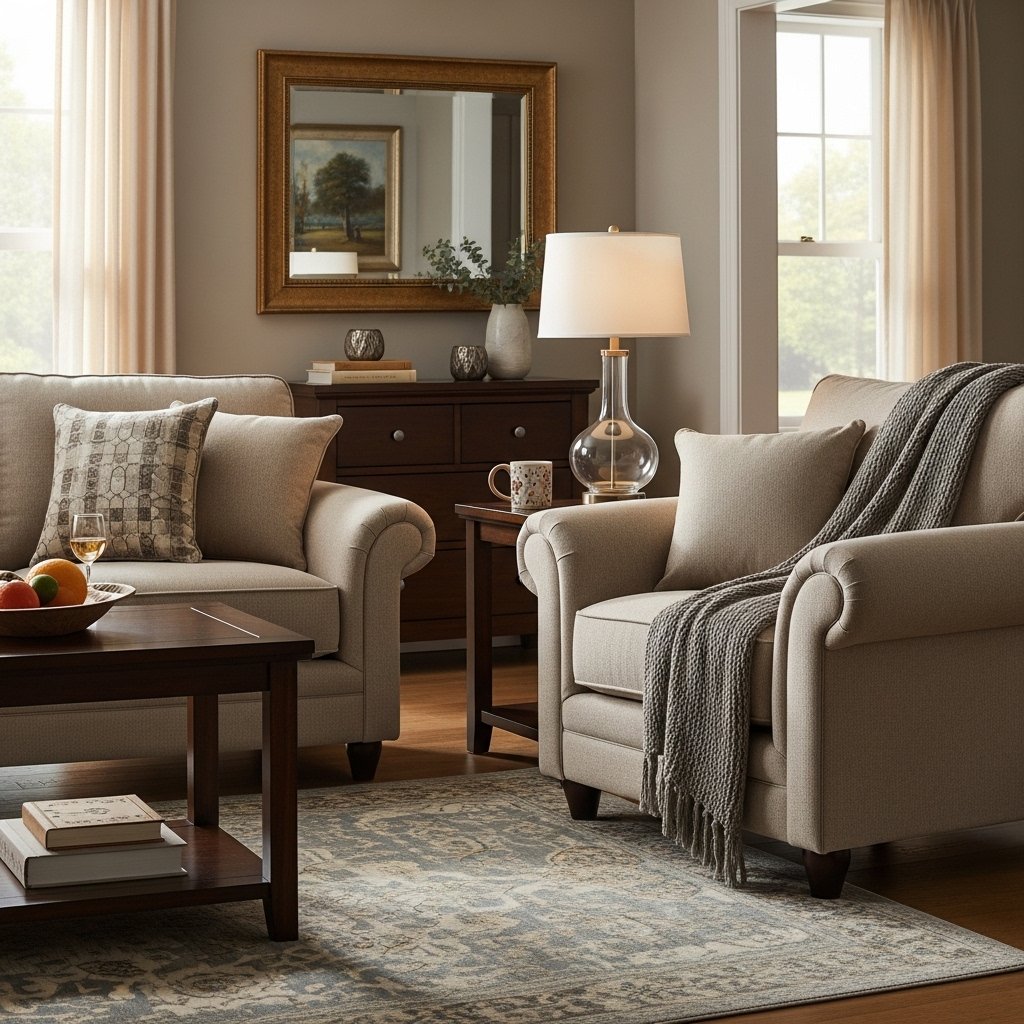
Choose cushion covers in a mix of textures — velvet, linen, embroidered cotton, faux fur — and limit your palette to three complementary colors. Odd numbers (three or five cushions) tend to look more natural than even numbers. Drape a single cashmere or merino wool throw over the corner of your sofa for an effortlessly elegant touch.
13. Hang Floor-to-Ceiling Curtains
Curtains that hang from just above the window frame to just below the sill are one of the most common mistakes in home decor. In luxury interior design, curtains are always hung high — as close to the ceiling as possible — and fall all the way to the floor.
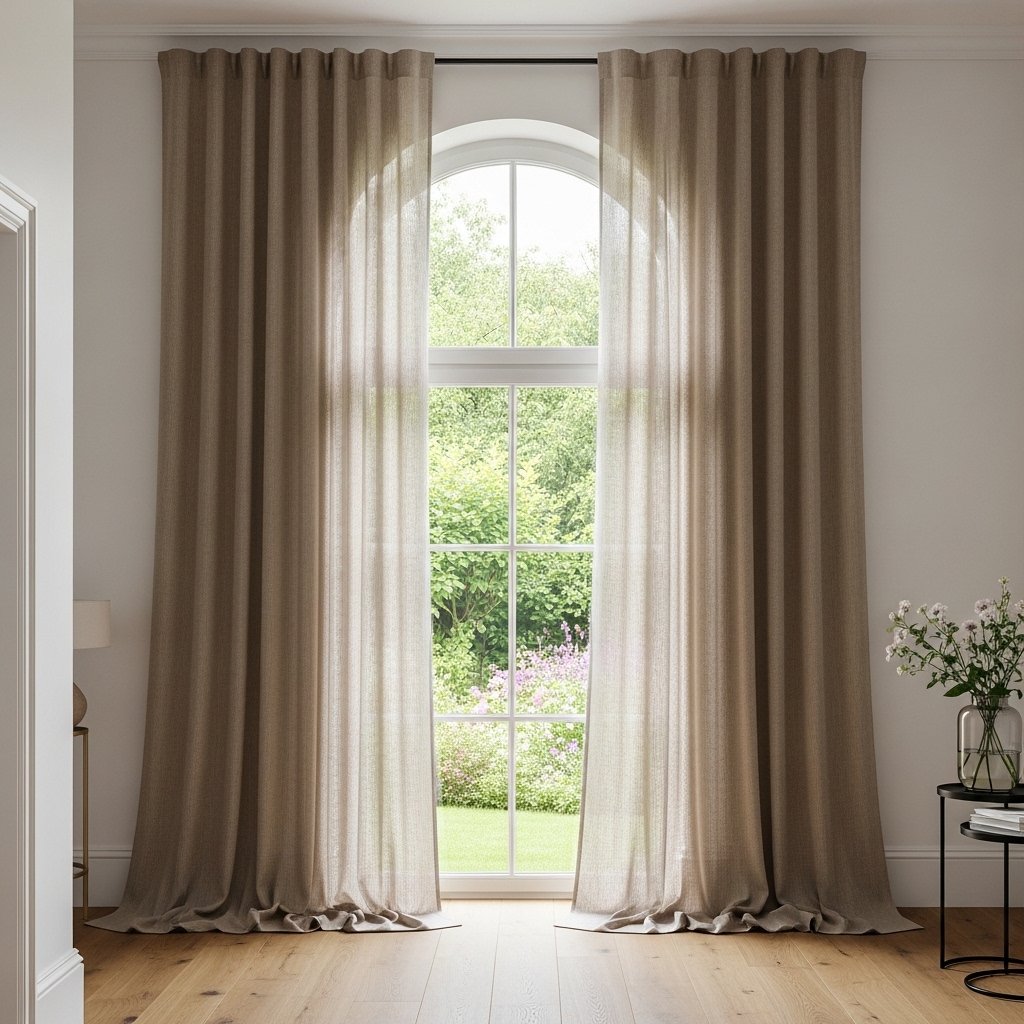
This elongates the room, makes windows appear larger, and gives the entire space a more formal, elegant quality. Choose curtain fabrics in linen, velvet, or silk for a high-end look. For most luxury living rooms, unlined linen in a neutral tone is both timeless and incredibly versatile.
Materials and Finishes: The Details That Define Luxury
14. Incorporate Natural Stone
Nothing signals luxury quite like natural stone. Whether it is a marble fireplace surround, a travertine coffee table, an onyx decorative object, or even a marble tray on an ottoman, the presence of natural stone instantly elevates a room.
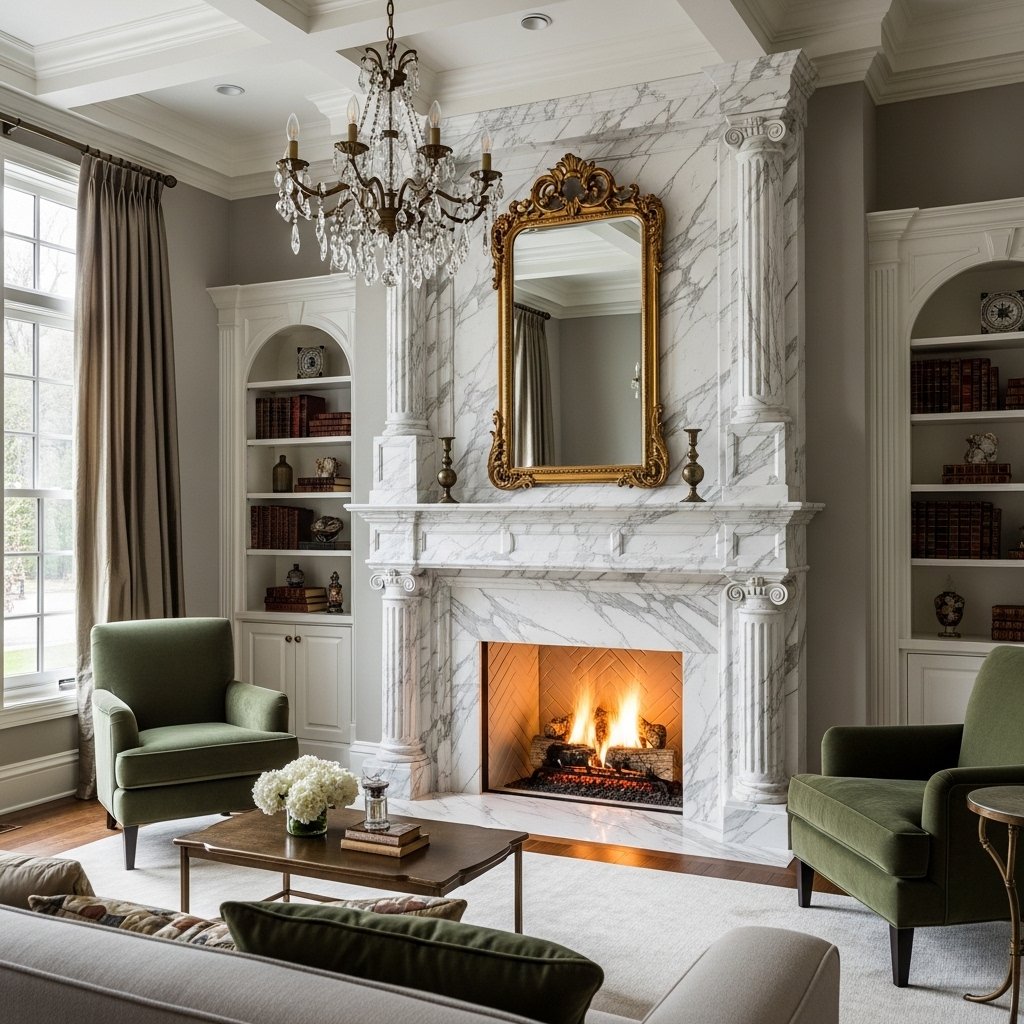
You do not need to cover the floor in marble to achieve this effect. A single marble side table or a stone-topped console is enough to introduce that mineral richness that is synonymous with high-end design.
15. Use Brass and Gold Accents — Carefully
Warm metallic accents in brass, gold, or bronze are a signature of luxury living rooms. But there is a fine line between refined and overdone. The rule in professional interior design is to use warm metals consistently and sparingly: pick one metal and use it across all your hardware, lamp bases, picture frames, and decorative objects.
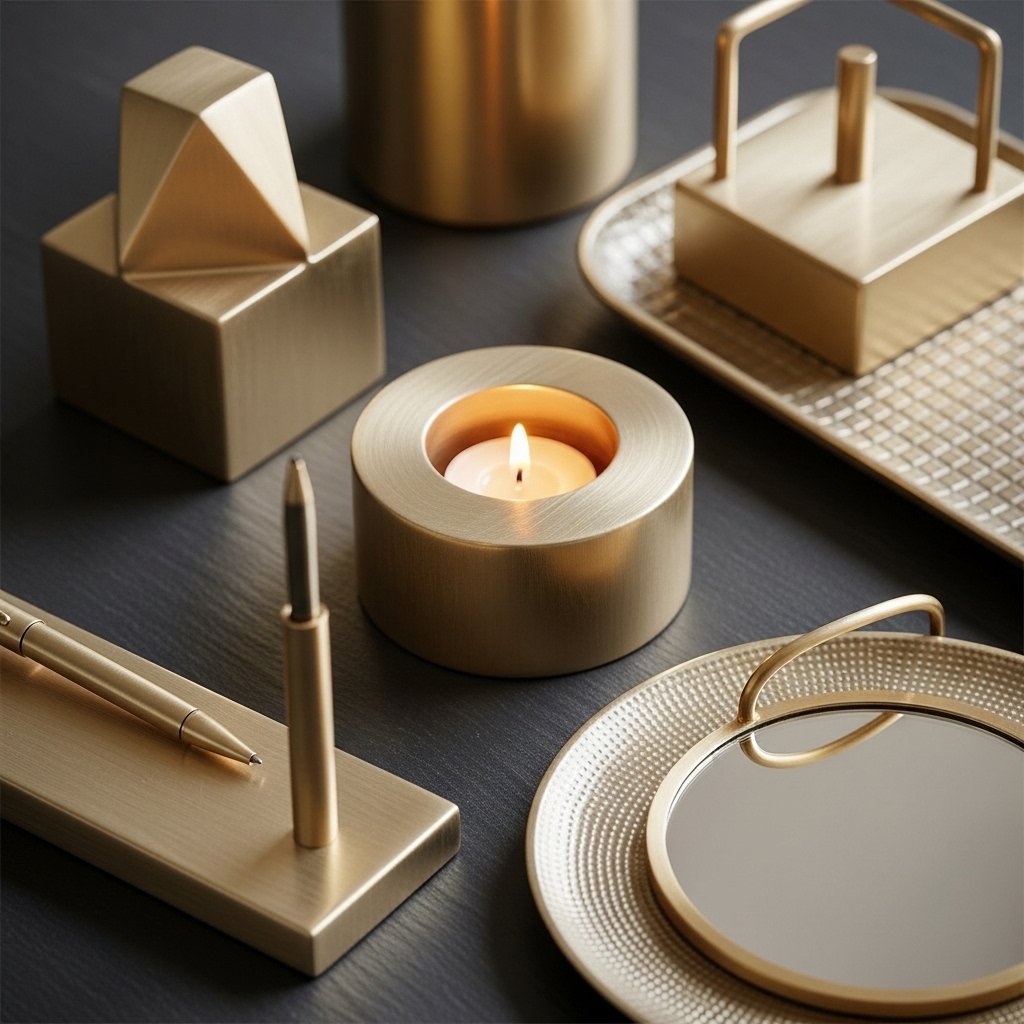
Too many different metals in one room creates visual chaos. Choose your metal and be disciplined about it. Warm brushed brass has dominated luxury interiors for the past decade and continues to feel current without being trendy.
16. Introduce Wood Tones for Warmth
A living room that relies entirely on hard surfaces — stone, metal, glass — can feel cold and uninviting no matter how expensive the pieces are. Wood tones bring organic warmth that is essential for balance.
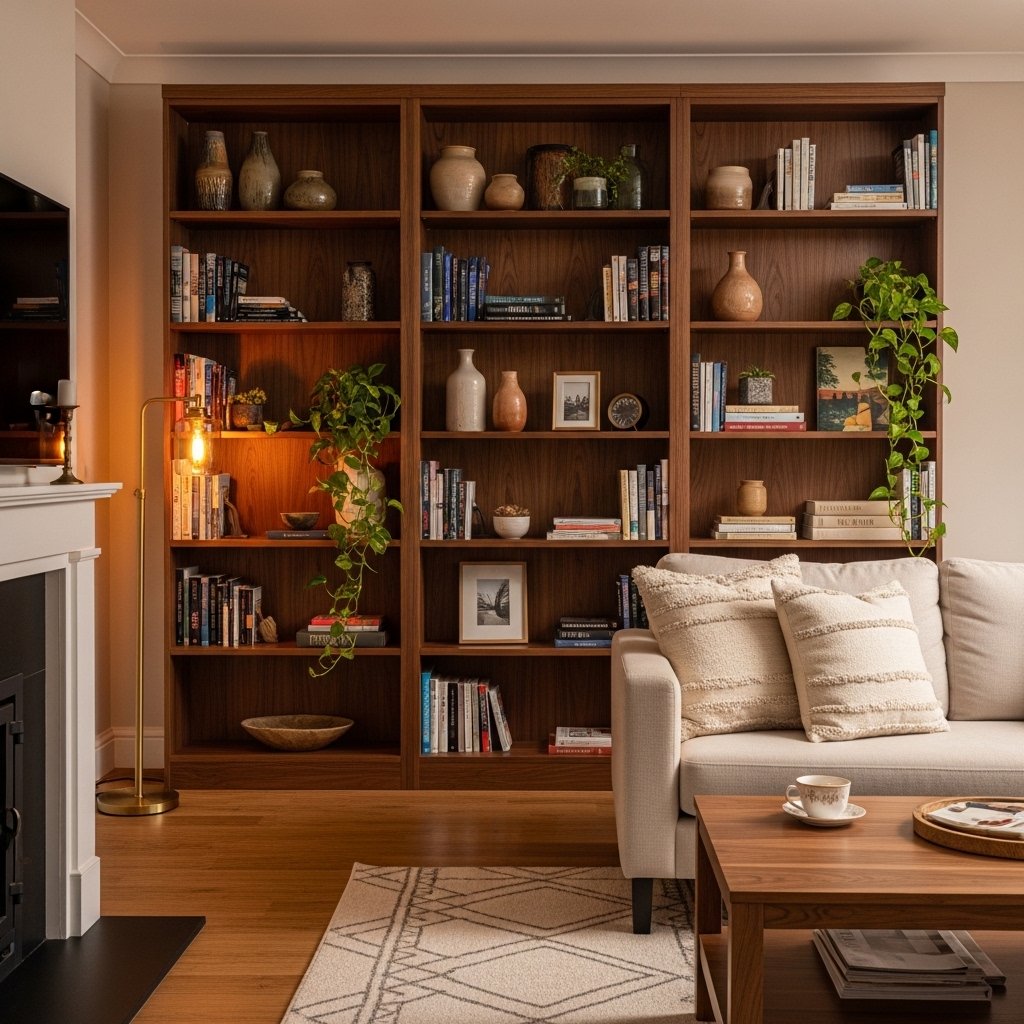
Whether it is a walnut bookcase, an oak side table, a driftwood sculpture, or simply a set of wooden picture frames, the presence of wood in a luxury living room softens the harder surfaces and makes the space feel genuinely welcoming.
Art and Decor: The Personality of a Luxury Space
17. Treat Art as an Investment, Not an Afterthought
In a truly luxurious living room, artwork is one of the most important elements of the design — not something added to fill blank walls. A single large-scale piece of original or high-quality printed art can define the entire mood and color palette of a room.
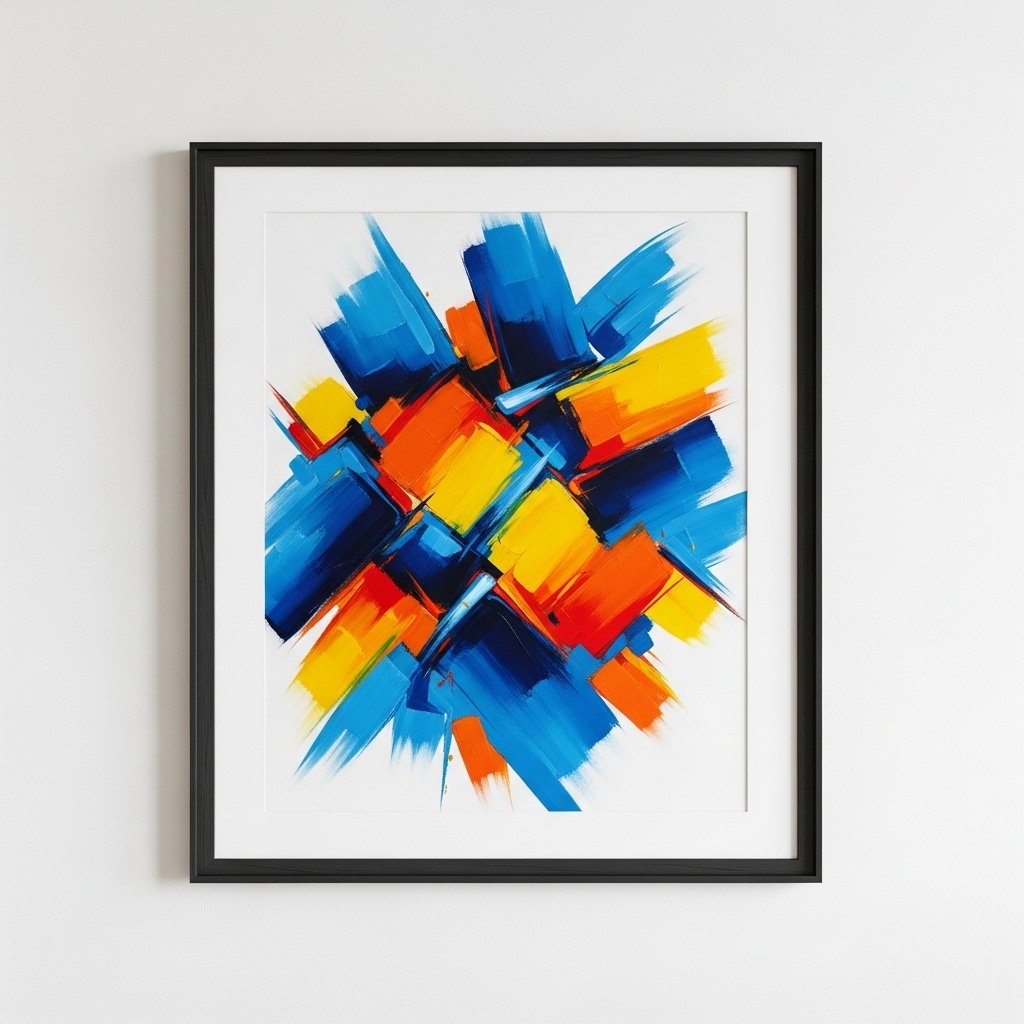
If your budget does not stretch to original art, high-quality art prints in premium frames are an excellent alternative. Look for oversized prints in simple, well-made frames — the scale and quality of the frame matter as much as the print itself.
Hanging Tip: Centre artwork at eye level — approximately 57 to 60 inches from the floor to the midpoint of the piece. Do not hang art too high.
18. Create a Gallery Wall with Intention
A gallery wall done well is a stunning focal point in a luxury living room. The key is curation and consistency. Choose a theme — whether that is a black-and-white photography collection, a series of botanical prints, or a mix of abstract works in a unified color palette — and stick to it.
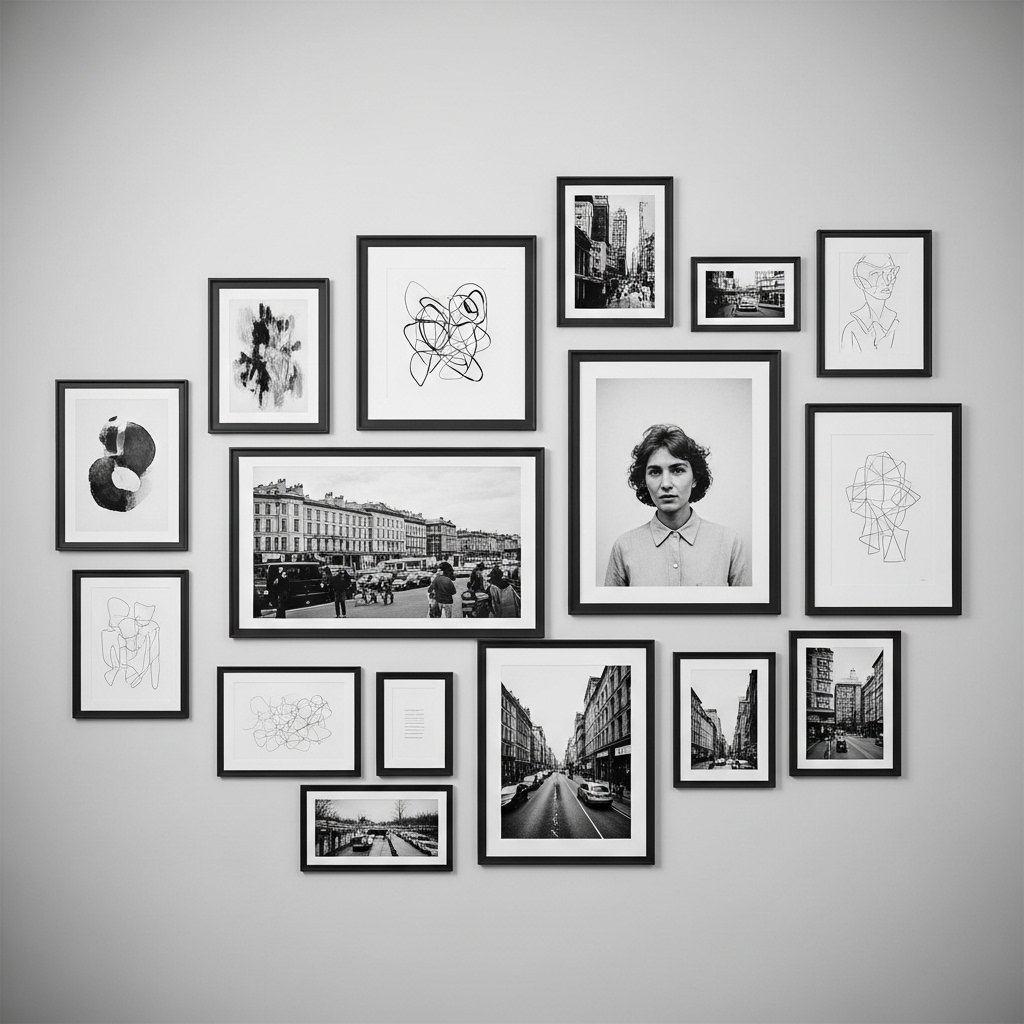
Frame all pieces in the same frame style and color to tie the collection together. Lay out your arrangement on the floor before hanging anything, and maintain consistent spacing of 2 to 3 inches between frames.
19. Style a Curated Bookshelf
Built-in bookshelves or a large freestanding bookcase are a signature element of classic luxury living rooms. But the way you style them is what separates an elegant library wall from a cluttered storage unit.
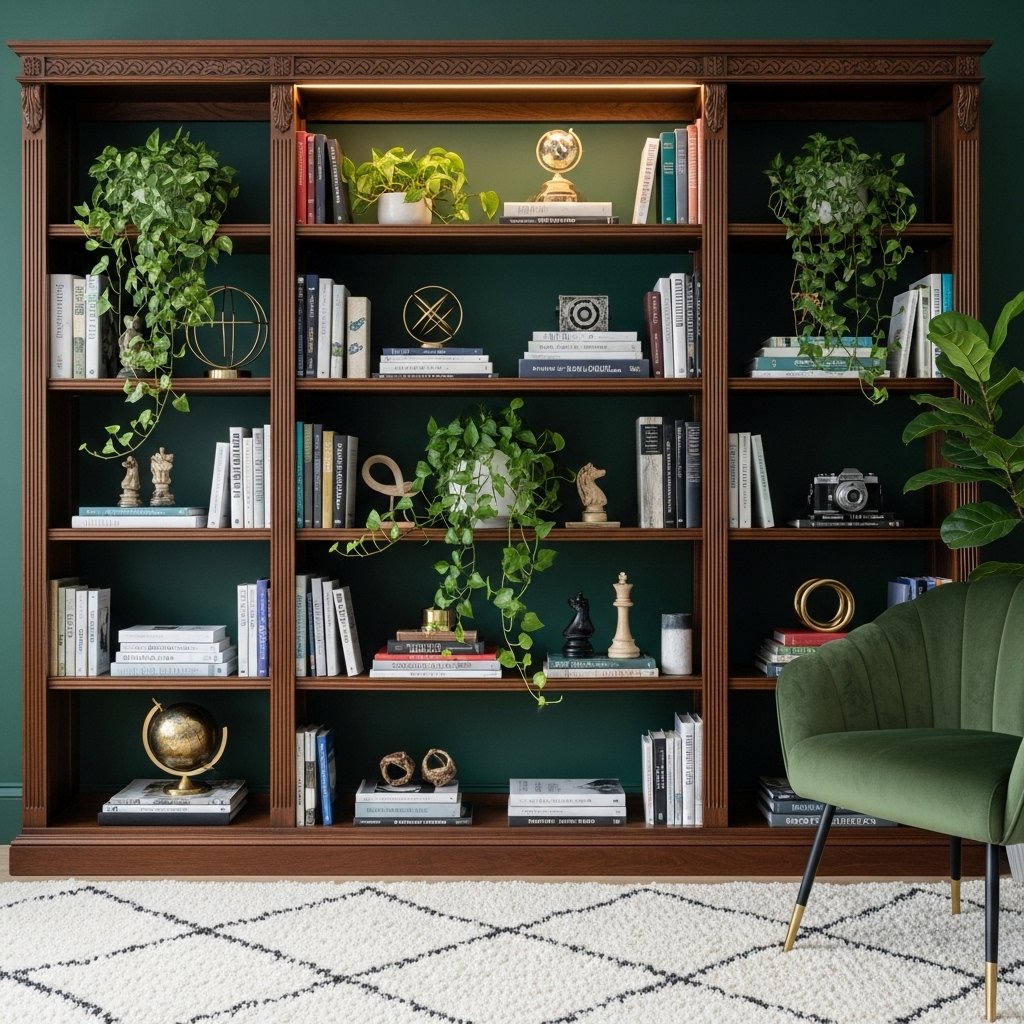
The professional approach is to mix books (arranged by color or by size) with decorative objects, small pieces of art, and organic elements like plants or sculptural stones. Remove the dust jackets from books for a cleaner, more cohesive look. Leave some shelves partially empty — negative space on a bookshelf looks intentional and refined.
20. Add Organic and Natural Elements
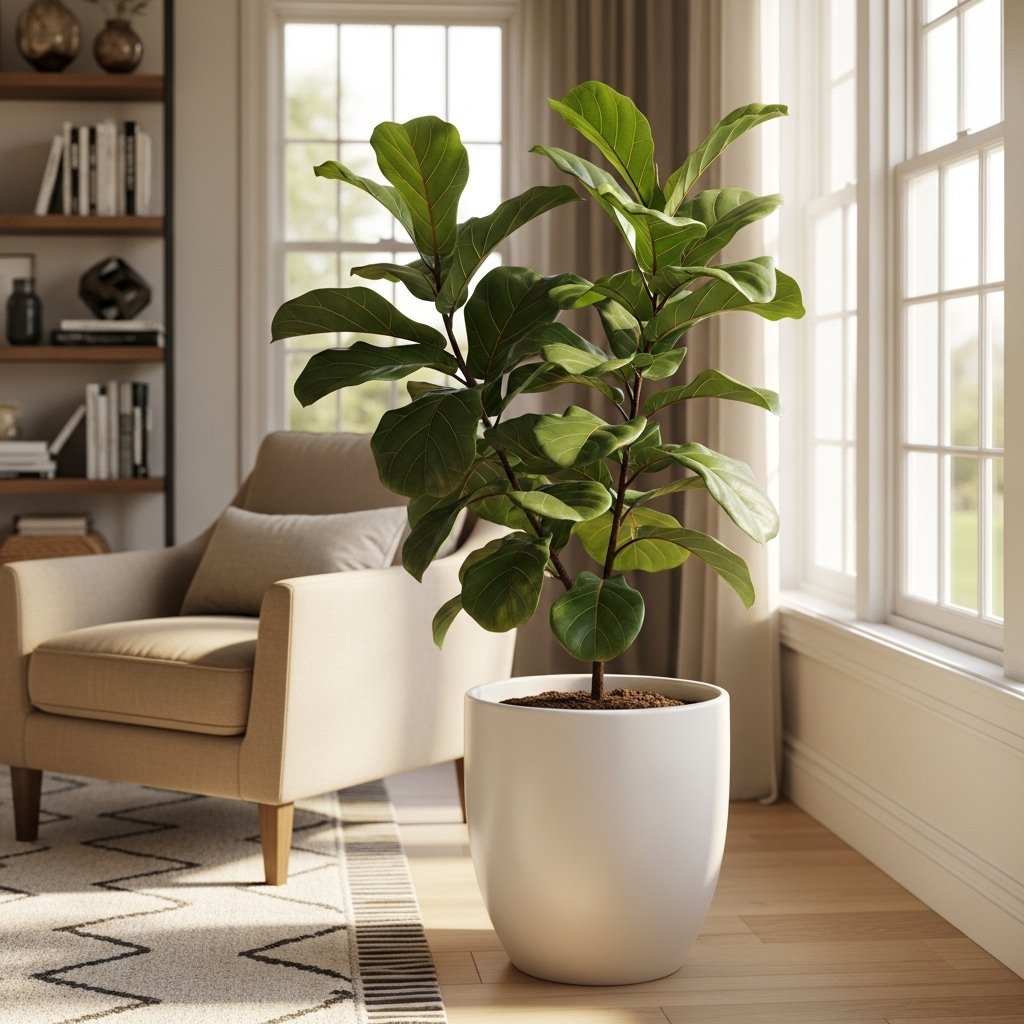
Plants, florals, branches, and other organic elements bring life to a luxury living room in a way that no manufactured object can replicate. A tall fiddle-leaf fig in a ceramic pot, a bowl of sculptural artichokes, a branch of dried pampas grass in a floor vase — these natural elements add texture, movement, and an organic imperfection that makes a space feel alive.
Fresh flowers arranged loosely in a quality vase are one of the simplest and most effective luxury touches available at any budget.
Finishing Touches That Seal the Luxury Look
21. Add a Fireplace or Create a Focal Point
Every luxury living room benefits from a clear focal point — a single element that draws the eye immediately when you enter the space. In traditional luxury homes, this is a fireplace. If you have one, frame it beautifully with a quality mantel, art above, and symmetrical objects on each side.
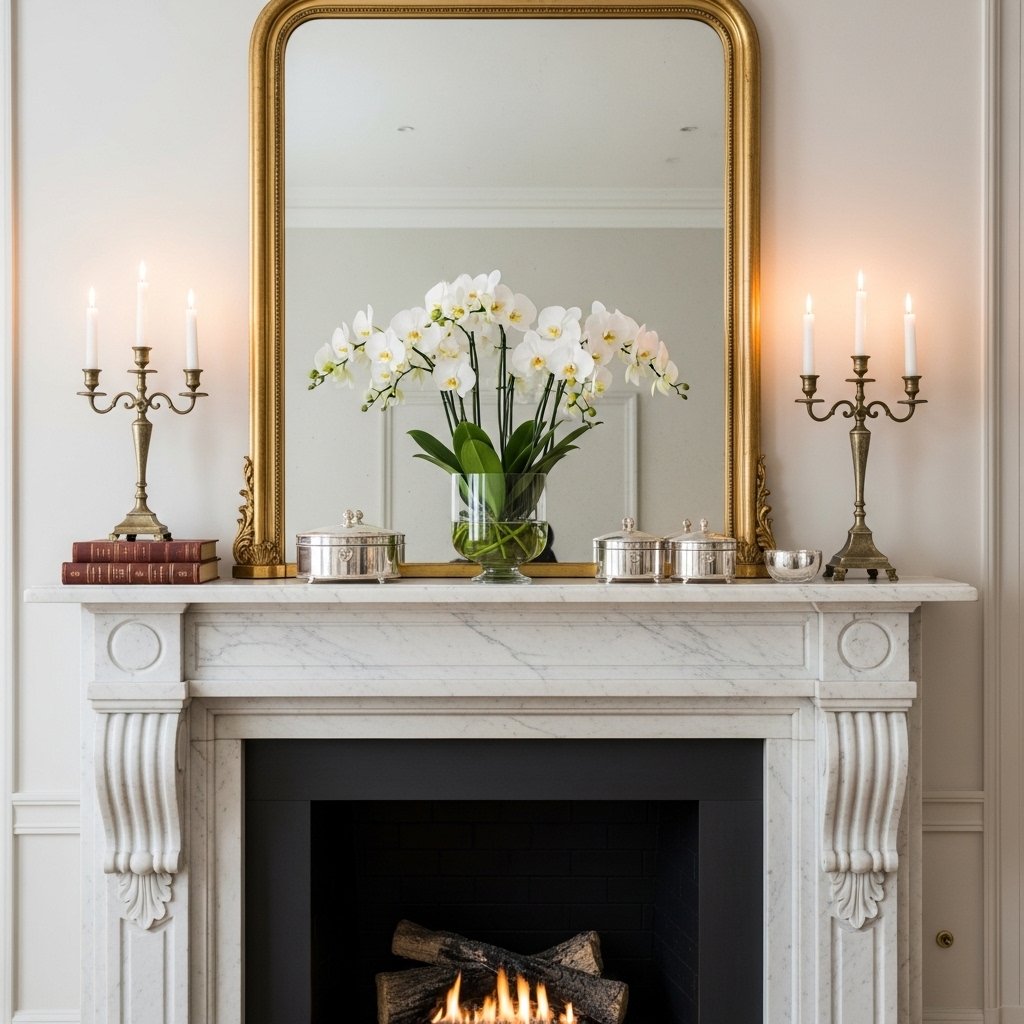
If you do not have a fireplace, create a focal point another way: a large statement mirror, an oversized artwork, a dramatic floor-to-ceiling bookcase, or even a beautifully styled console table. The key is that the eye has somewhere clear and intentional to land.
22. Use Mirrors Strategically
Mirrors are one of the most powerful tools in luxury interior design. A large, well-placed mirror doubles the visual space of a room, amplifies natural light, and adds a glamorous, reflective surface that contributes to the overall richness of the space.
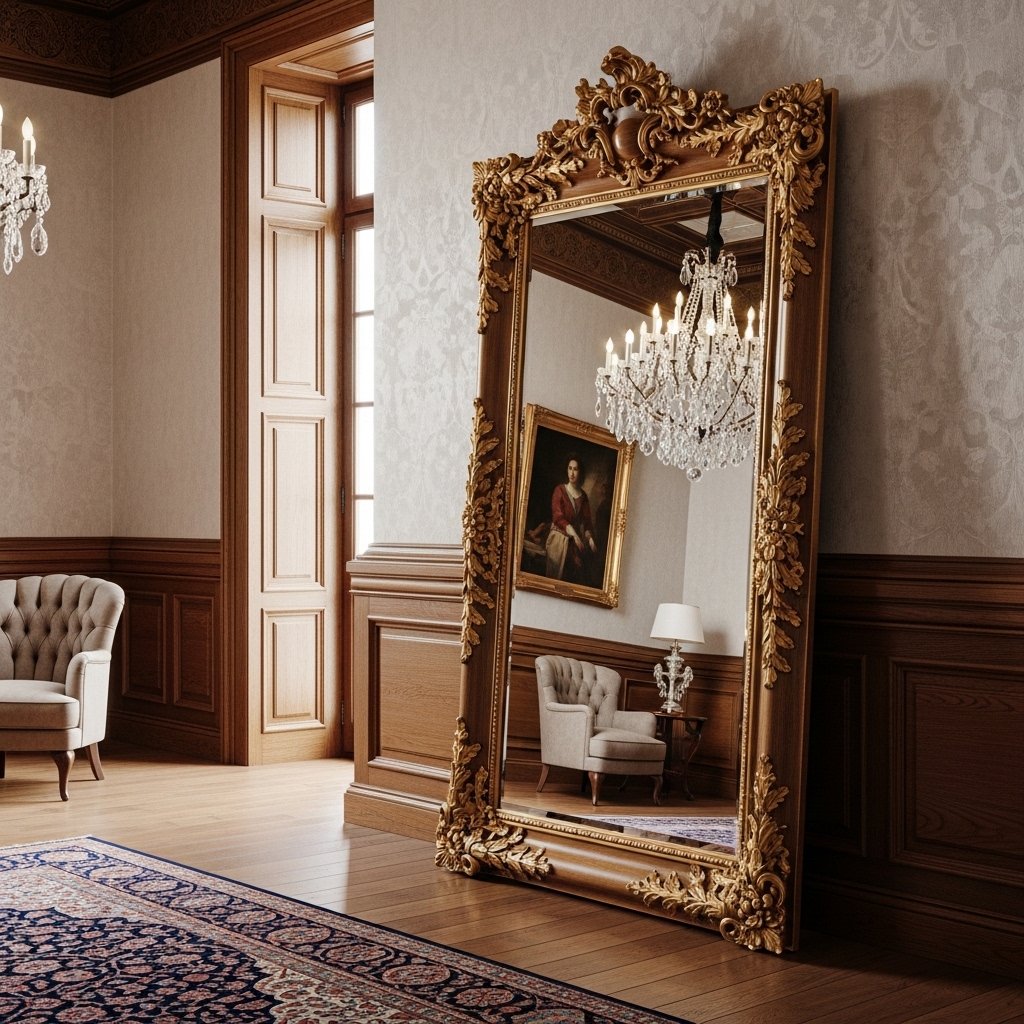
For maximum impact, position a large mirror directly opposite a window to reflect natural light across the room. Alternatively, a statement floor mirror leaning against a wall adds a casual, high-fashion quality to the space.
23. Edit Ruthlessly — Less is Always More
Perhaps the most important luxury living room design principle of all: edit. The difference between a space that looks expensive and one that looks cluttered is often simply the number of objects in it.
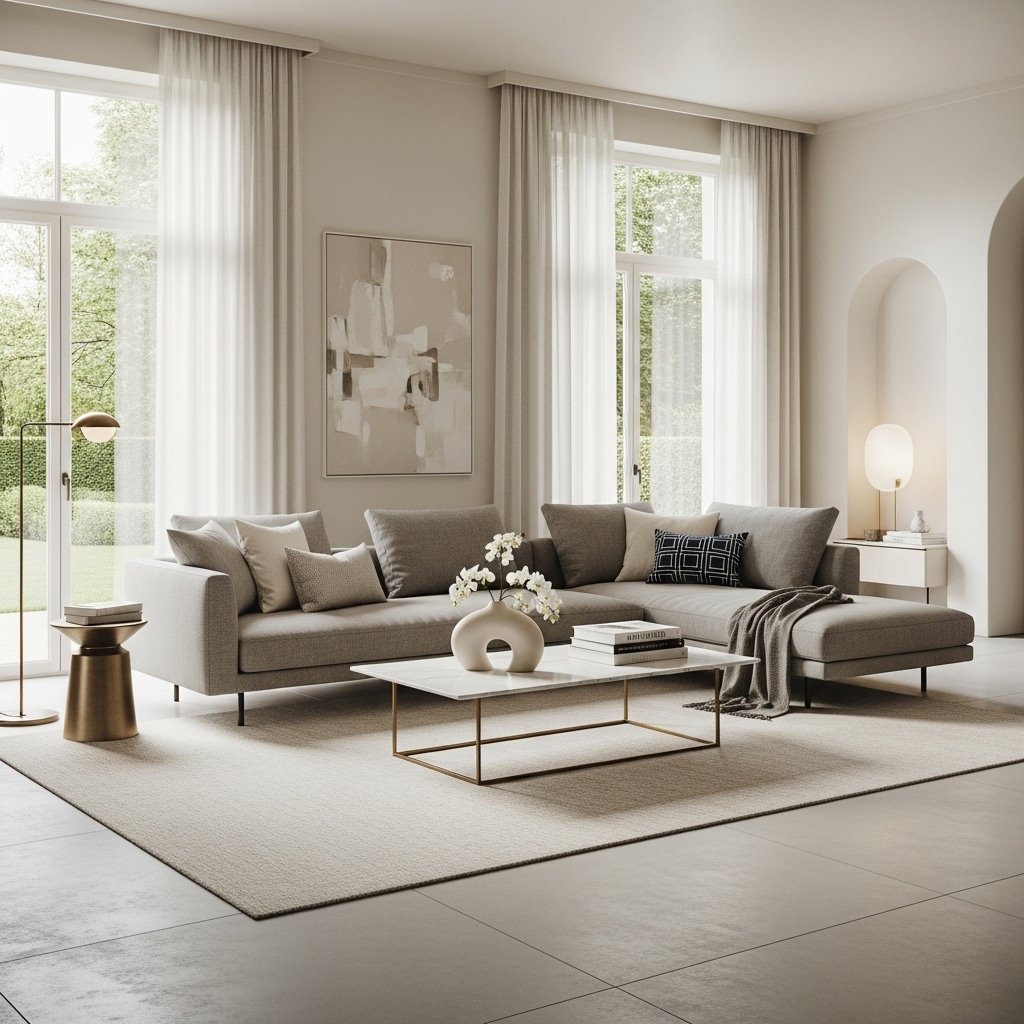
Once you have styled your room, remove one thing from every surface. Then remove one more. Luxury interiors breathe. They have space between objects, clear sightlines, and a sense of intentional restraint that signals confidence. You are not filling a room — you are curating one.
The best room is one where you notice the atmosphere before you notice any individual object.
Frequently Asked Questions About Luxury Living Room Decor
What is the most important element of a luxury living room?
Lighting is consistently the element that interior designers say makes the biggest difference. A well-lit room with average furniture will feel more luxurious than an expensively furnished room with poor lighting. Invest in layered lighting before anything else.
How do I make my living room look luxurious on a budget?
Focus on the elements that have the highest visual impact for the lowest cost: paint your walls a rich, considered color; hang floor-to-ceiling curtains; invest in a quality area rug; add layered lighting with table lamps; and style with fresh flowers. These changes cost relatively little but transform a room entirely.
What colors make a living room look expensive?
Rich, deep neutrals consistently read as luxurious: warm whites, soft creams, deep taupes, charcoal gray, and warm greiges. Jewel-toned accents — emerald, sapphire, deep burgundy — also signal sophistication when used with restraint.
What furniture style is most associated with luxury living rooms?
Timeless furniture silhouettes — Chesterfield sofas, tufted armchairs, clean-lined credenzas — in quality materials tend to define luxury. Both traditional and contemporary luxury styles share a commitment to proportion, quality materials, and restrained detail.
How many decorative accessories should a luxury living room have?
Fewer than you think. Professional designers typically work with the rule of three: group objects in threes on each surface, and leave space between groups. A room with ten well-chosen objects styled beautifully always looks more luxurious than a room with thirty objects crowded together.
Final Thoughts: Creating Your Luxury Living Room
Creating a truly luxurious living room is not about spending the most money. It is about making thoughtful, intentional choices — and then having the discipline to edit rather than add.
Start with your foundation: color, quality furniture, and layered lighting. Build from there with rich textiles, natural materials, and carefully curated art and accessories. And then step back and see what the room is telling you. Usually, at that point, the answer is to remove something rather than add more.
The 23 ideas in this guide are not meant to be implemented all at once. Pick three to five that resonate most with your personal style and the existing bones of your space. Implement them well, live with the results, and then layer in more over time.
Your luxury living room is not a single project to complete — it is an ongoing, evolving expression of who you are and how you want to live. Enjoy the process.

Recent Comments