
23 Neutral Living Room Decor Ideas That Feel Warm, Minimal & Beautiful
Introduction
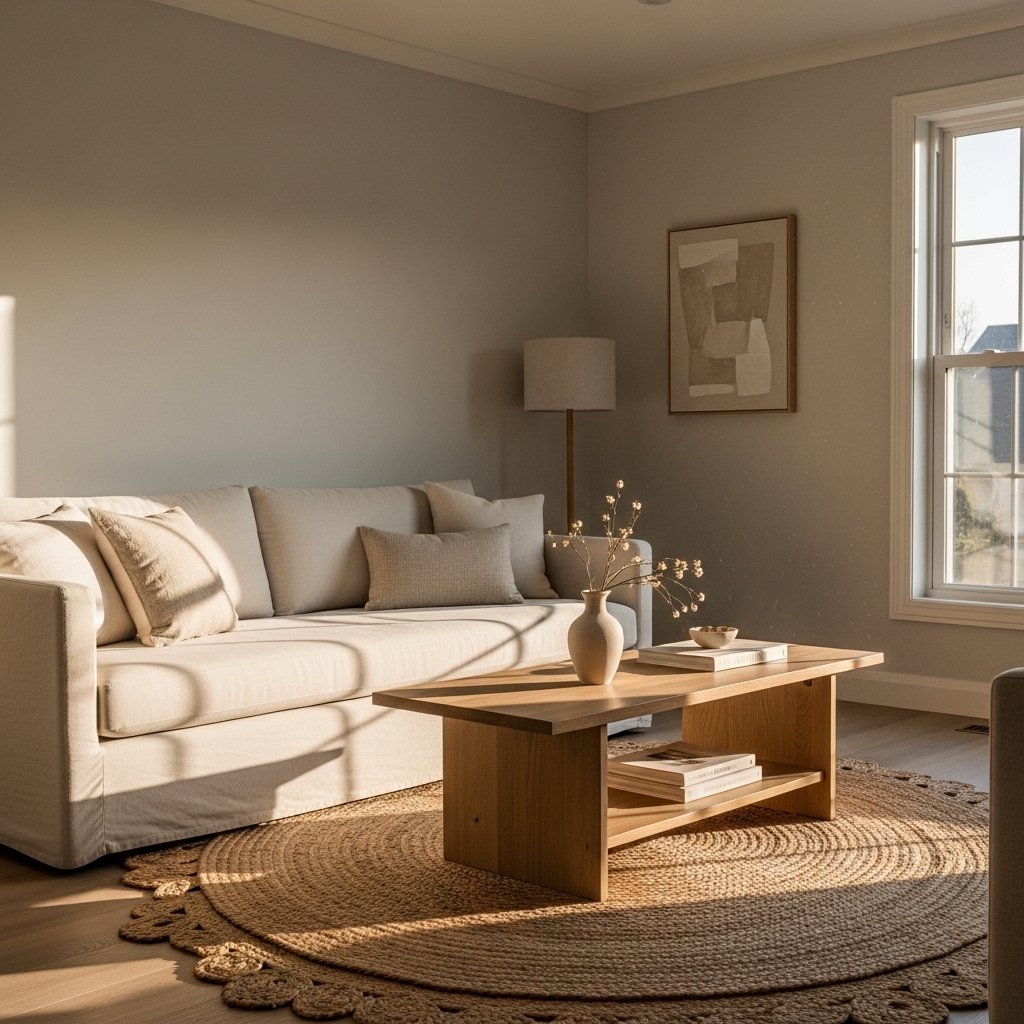
Neutral living rooms are one of the most searched and saved styles on Pinterest — and it is easy to see why. They feel timeless. They feel peaceful. They photograph beautifully and, more importantly, they live even better.
But here is the truth most design articles skip: a truly stunning neutral living room requires just as much thought as a bold one. Maybe more.
Neutral does not mean empty. It means intentional. It means every texture, every tone, and every object has been chosen with care — and that quiet intentionality is exactly what makes these rooms so magnetic.
This guide gives you 23 real, actionable, visually rich ideas to design a neutral living room that feels warm, layered, and deeply personal — not cold, sterile, or boring. Whether you are decorating from scratch or refreshing what you already have, these ideas will help you build a space worth saving.
Start Here: The Neutral Palette That Actually Feels Warm
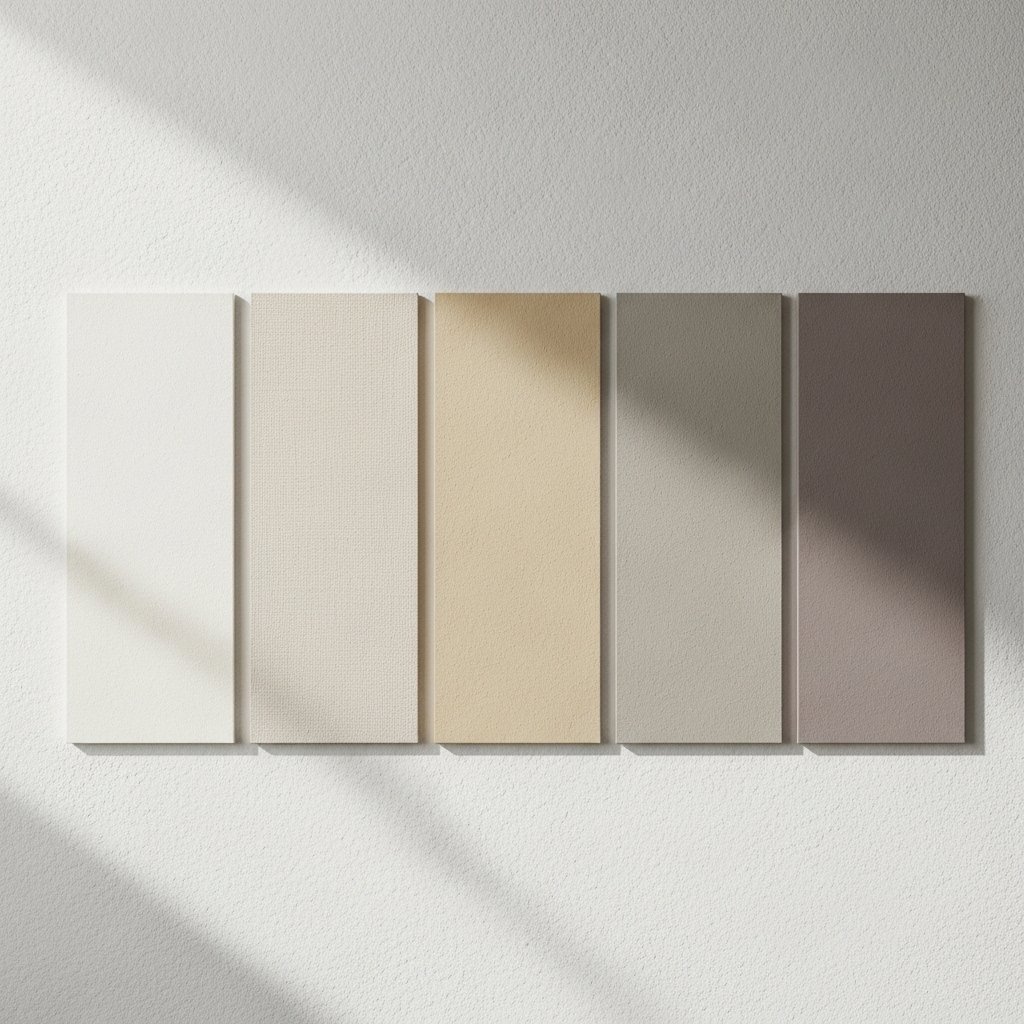
The biggest mistake people make with neutral rooms is choosing paint that is too cool, too gray, or too white. True warmth in a neutral space comes from undertones. You want creamy whites, sandy beiges, warm greiges, dusty taupes, and soft terracottas — never anything with a blue or green base.
Think of your palette as a tonal story — lightest on the ceiling, mid-tones on the walls, and your deepest neutrals grounding the room in furniture and textiles. This layering is what makes a neutral room feel rich rather than flat.
Before choosing paint, hold your swatches against natural light at different times of day. A warm white at noon can look lavender by evening. Test always, commit once.
The 23 Ideas
1. Layer Linen Everywhere
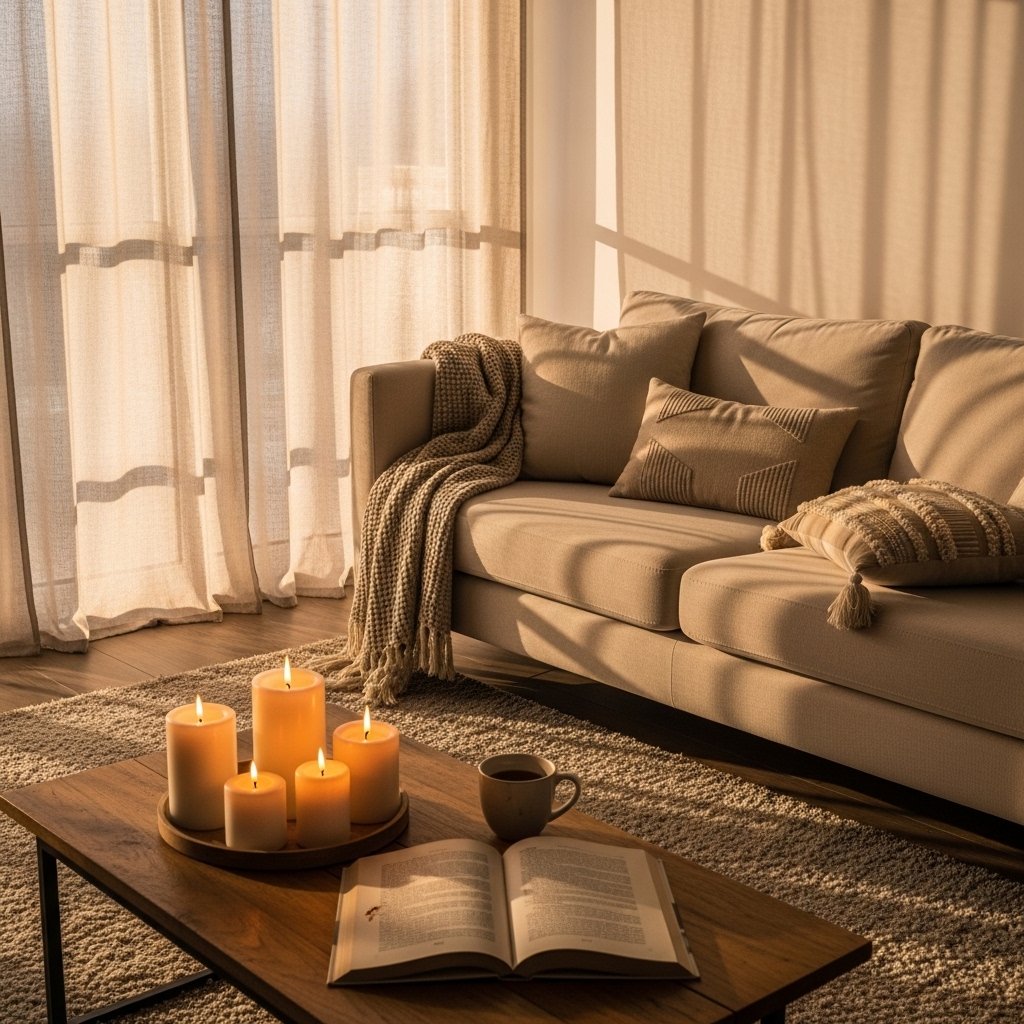
Linen curtains, linen sofa covers, linen throw pillows — all in the same tonal family. The texture variation within a single fabric creates beautiful depth even in a completely single-tone palette. Linen also wrinkles in the most beautiful, effortless way that makes a room feel genuinely lived in.
2. The Boucle Statement Chair
One curved boucle accent chair in cream or oatmeal adds instant softness and sculptural interest to any corner of the room. It is the kind of piece that stops people mid-conversation. Boucle reads as both luxurious and approachable — which is exactly the balance every good neutral room is trying to strike.
3. Warm Wood Tones Only
Oak, walnut, or ash in honey and amber tones. Avoid gray-washed or bleached wood — they cool the space instantly. Warm wood is one of the most powerful tools you have in a neutral room. It adds richness, organic texture, and natural color all at once, without introducing anything that competes with your palette.
4. A Jute or Sisal Area Rug
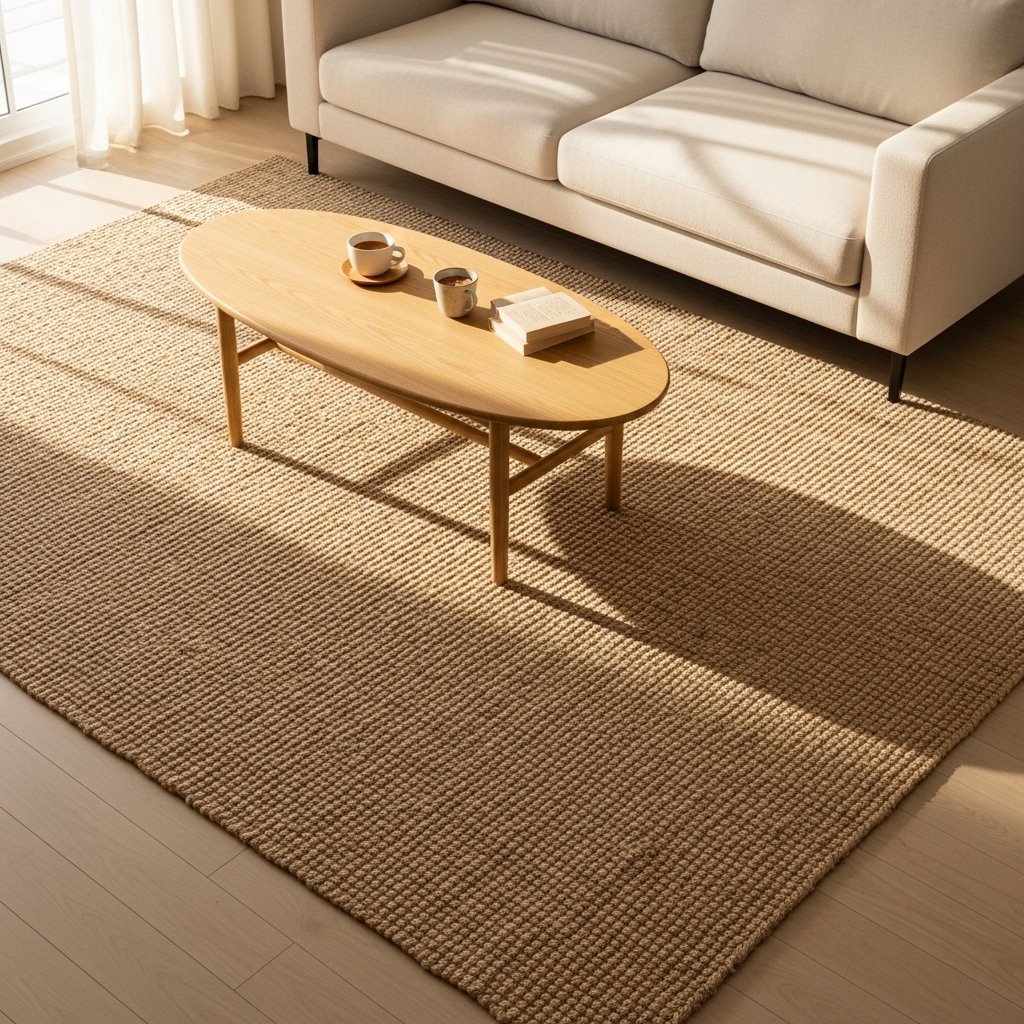
Natural fiber rugs bring organic warmth and ground the room with texture that no paint color can replicate. A jute or sisal rug also works with almost every furniture style — modern, traditional, coastal, farmhouse — because it reads as a natural neutral rather than a design statement.
5. Limewash or Plaster Walls
Venetian plaster or limewash paint creates a living, dimensional wall that glows differently in every light. Unlike flat paint, a plastered wall has depth — it catches light and shadow in ways that make the whole room feel softer and more atmospheric. It is one of the most pinned and most transformative wall treatments in neutral interior design.
6. Wabi-Sabi Ceramics
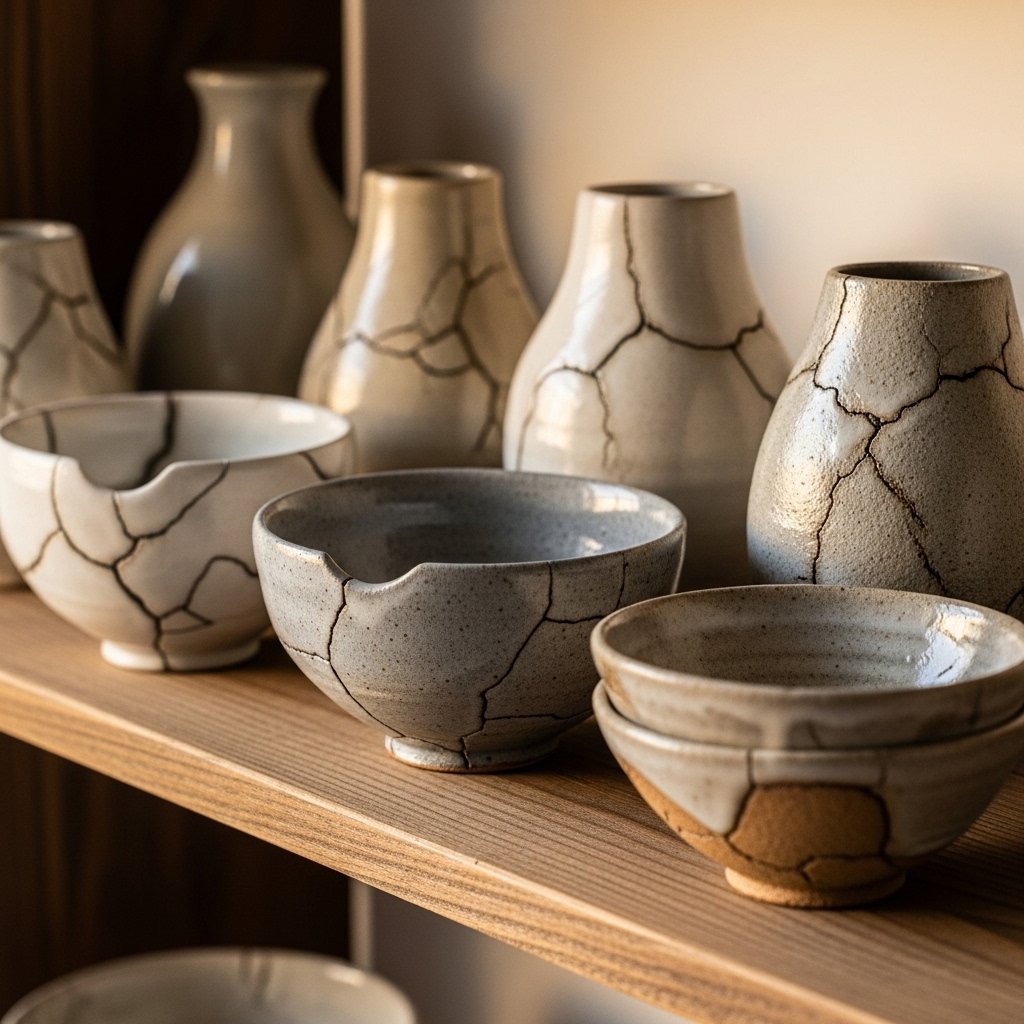
Handmade pots, imperfect vases, and raw-edged bowls add a quiet humanness that polished, mass-produced decor never achieves. The beauty of wabi-sabi objects is in their imperfection — a slightly uneven rim, a glaze that ran a little, a thumbprint pressed into wet clay. These details make a room feel curated by a person, not styled by an algorithm.
7. Oversized Arched Floor Lamp
A brass or aged-bronze arc lamp is functional sculpture. It fills vertical space beautifully, creates a sense of intimacy over the seating area it arches above, and casts the warmest, most flattering ambient glow. It is one of the highest-impact, lowest-effort upgrades in a neutral living room.
8. Tall Dried Pampas or Grasses
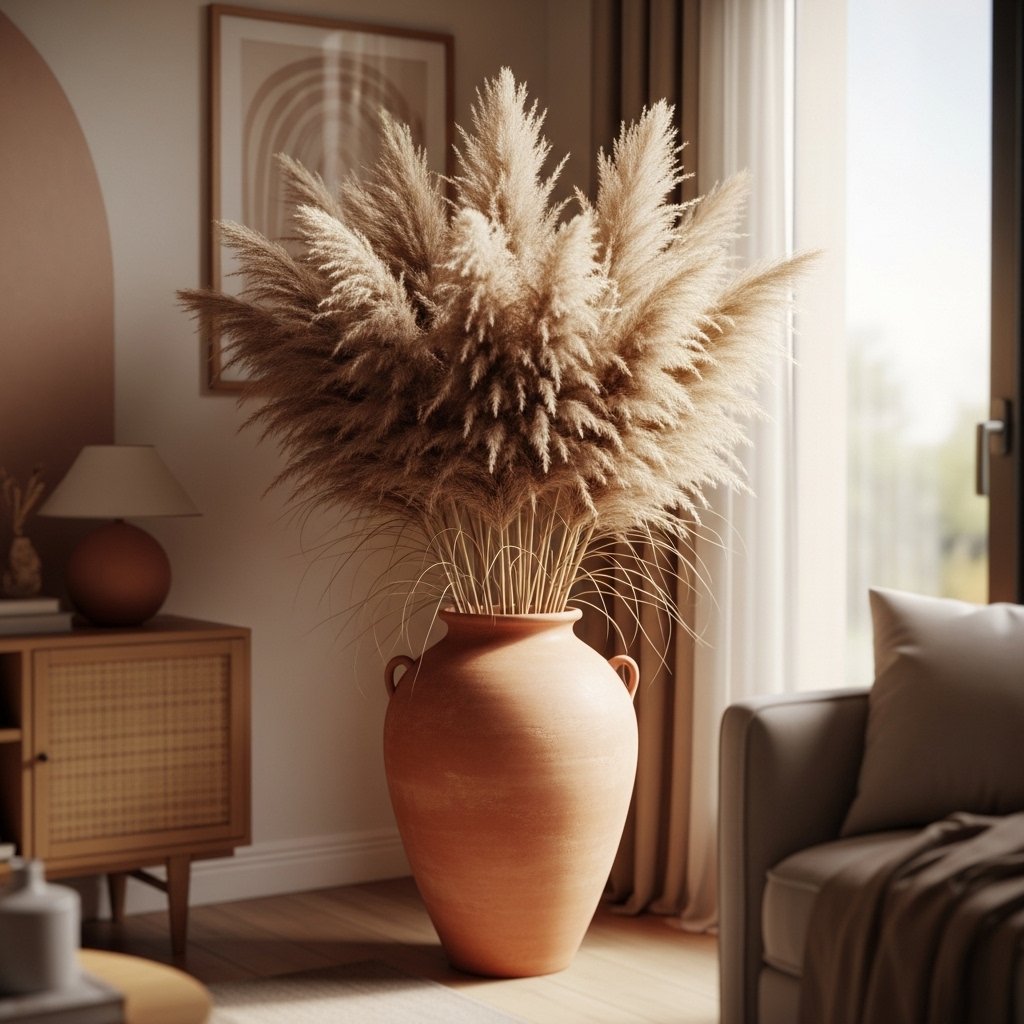
A giant vase of dried pampas grass or wheat stalks brings movement, height, and organic softness — and it lasts for months without any maintenance. Dried botanicals are one of the most pinned elements in neutral interior design because they add color, scale, and life without introducing anything that clashes with a careful palette.
9. Cream Shiplap or Wall Panelling
Painted in your exact wall color, panelling adds quiet architectural interest without adding any visual noise or contrast. It is the kind of detail you notice more after a few months of living with it — the way the light hits it differently at different times of day, the subtle shadow lines that make the room feel more considered and complete.
10. A Deep, Low Sofa
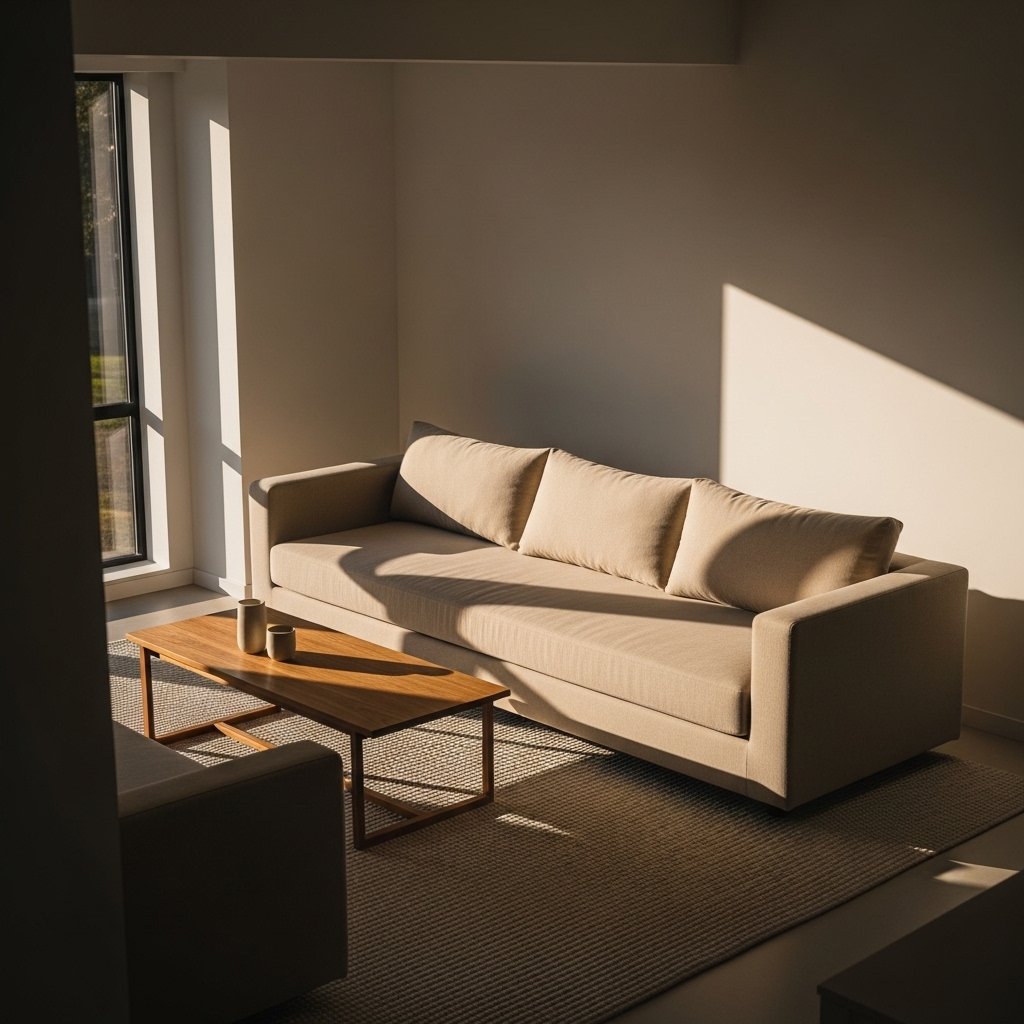
A long, low-profile sofa in sand, ivory, or warm stone immediately anchors the room and invites you to sink in completely. Low furniture also makes ceilings feel higher and rooms feel more expansive — a useful optical illusion in any space, large or small.
11. Aged Brass Hardware and Fixtures
Unlacquered brass patinas beautifully over time — it develops a warm, lived-in character that polished gold and chrome simply cannot replicate. Use it on light fixtures, drawer pulls, curtain rods, and cabinet hardware. The warmth of aged brass ties together every other warm tone in the room.
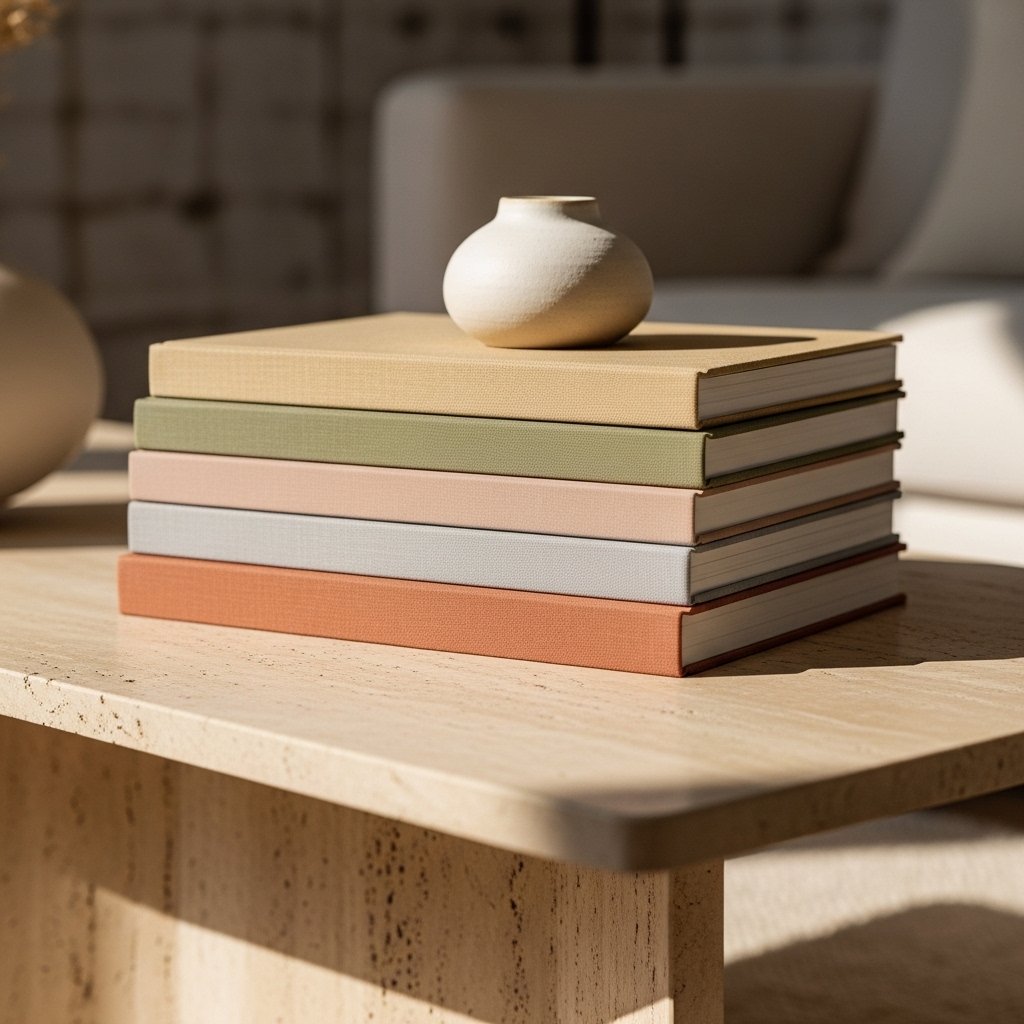
12. Stack of Art Books on the Table
13. Terracotta as the Accent
A curated stack of linen-covered or muted-tone art books is the easiest, most affordable styling move you can make in a neutral room. Choose books with covers in your tonal palette — creams, blacks, warm browns. Stack three or four, place one beautiful object on top, and you have a coffee table vignette worthy of any magazine.
One terracotta pot, pillow, or throw is all you need. It adds warmth and a whisper of color without breaking the neutral palette — because terracotta is essentially a warm, earthy neutral itself. It also works beautifully with every other warm tone: cream, oak, brass, linen, and jute all love terracotta.
14. Open Shelving With Negative Space
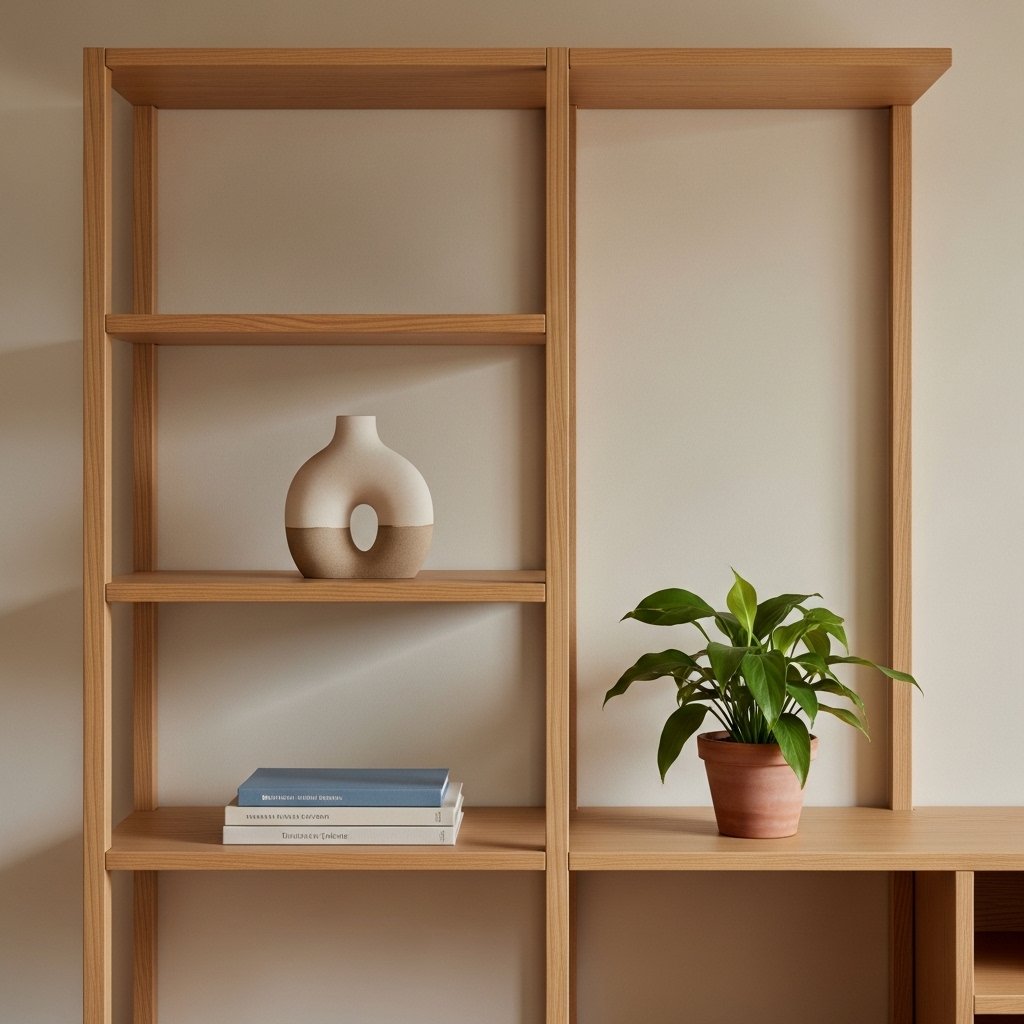
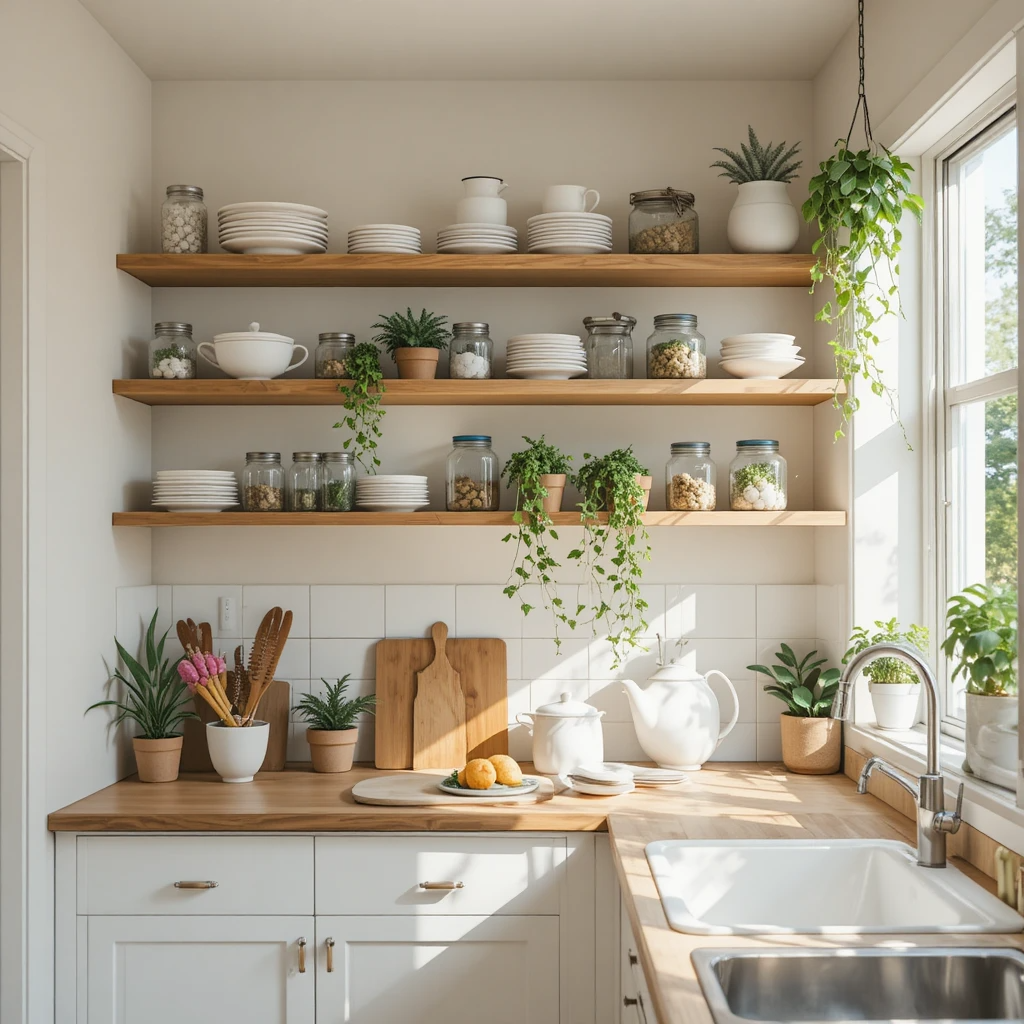
Resist filling every shelf. Leave breathing room. Three objects with generous space between them feel curated and intentional. Twelve objects crammed in feel cluttered and anxious. The negative space itself is part of the design — it is the pause that makes everything else feel more beautiful.
15. A Single Dramatic Plant
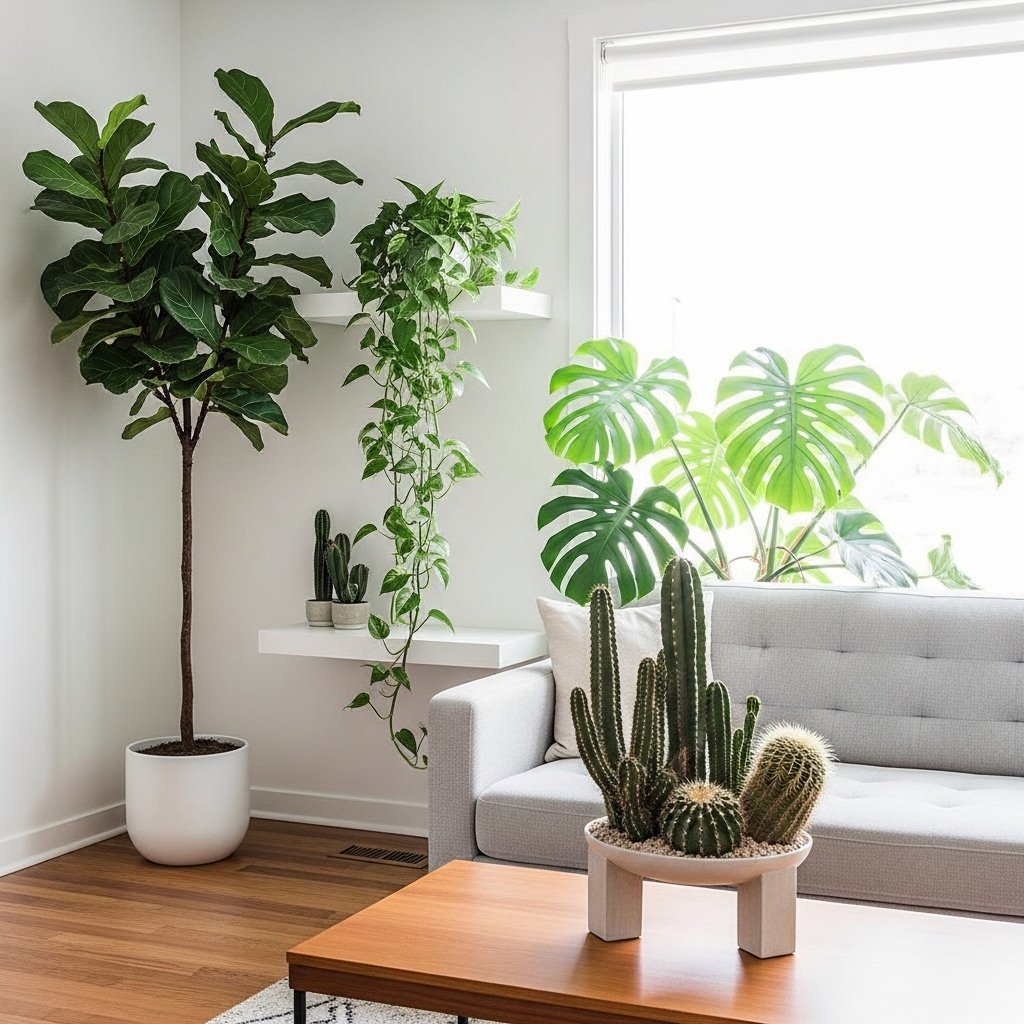
One large fiddle-leaf fig, monstera, or olive tree. One. A single large plant is sculptural — it commands the corner and gives the room a living, breathing presence. Many plants can start to feel like an unintentional jungle. In a minimal neutral room, restraint is always the right answer.
16. Chunky Knit Throws
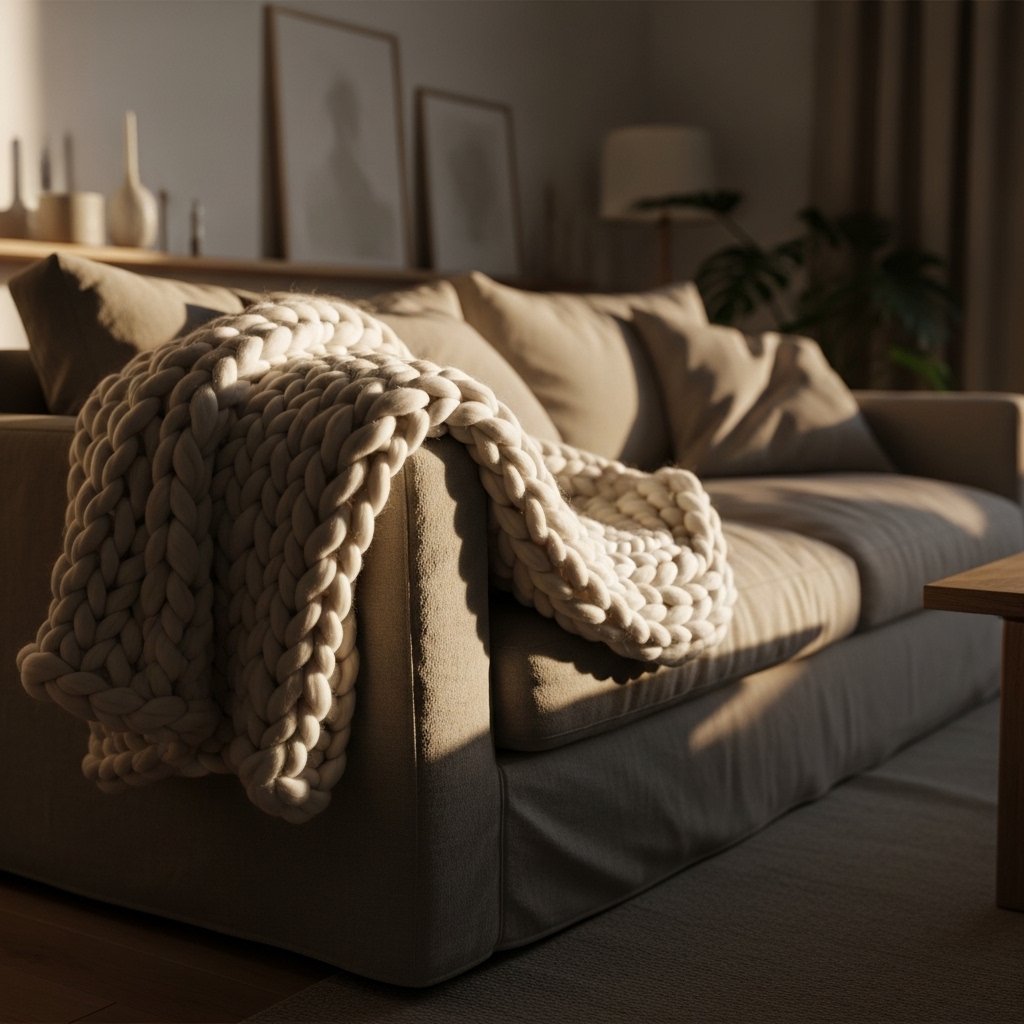
Drape a hand-knit or waffle-weave throw loosely over the sofa arm — never folded perfectly. The casual, effortless drape is the whole look. A chunky knit adds the kind of warmth and softness that makes a neutral room feel genuinely inviting rather than just aesthetically pleasing.
17. Natural Stone or Marble Details
A travertine tray, marble side table, or limestone candle holder introduces the most beautiful kind of neutral — one that has its own inherent pattern, variation, and warmth built in by nature. Stone is neutral, but it is never boring. Every piece is completely unique.
18. Minimal Black-and-White Art
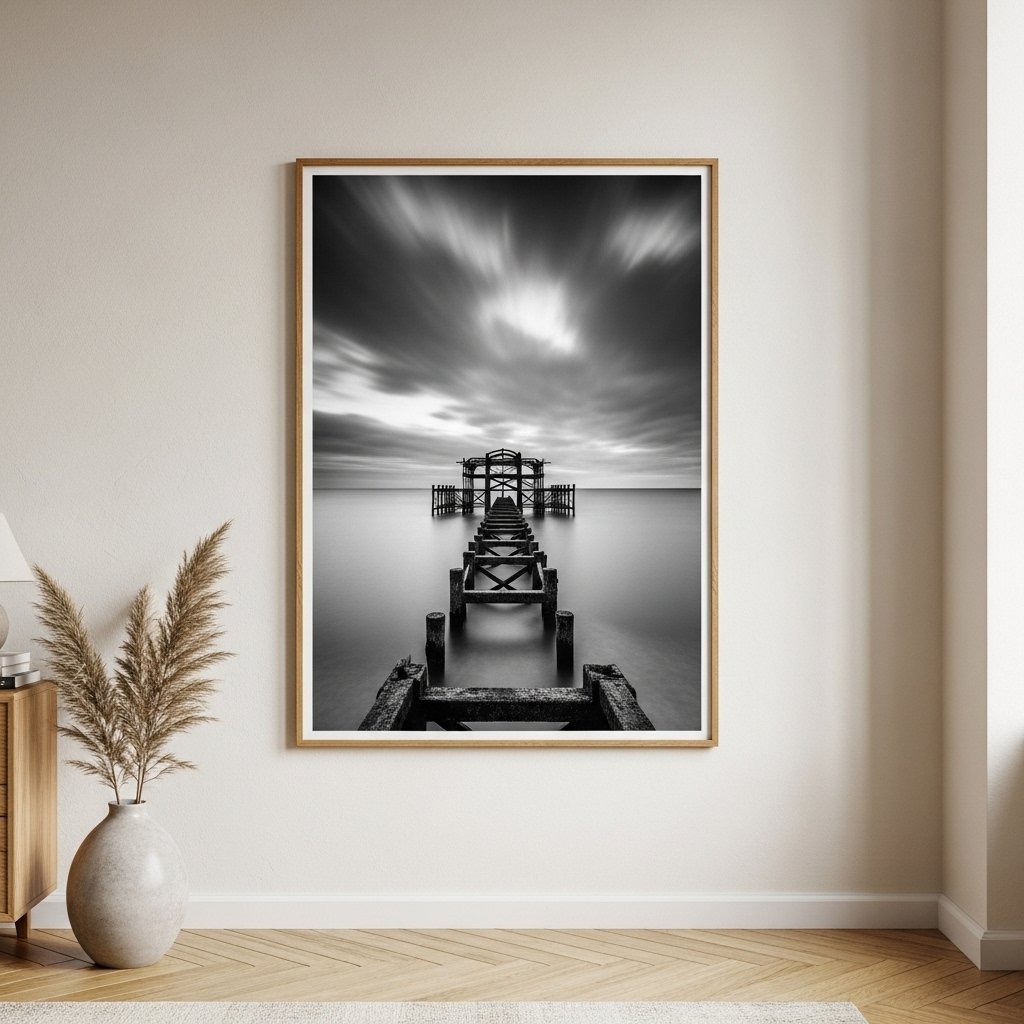
One or two black-and-white photographs in thin wooden frames provide contrast without introducing any competing color. The contrast adds definition and visual interest to a warm neutral room, while the simplicity of black-and-white keeps everything calm and cohesive.
19. Candles in Neutral Vessels
Cluster three candles of different heights in stone, terracotta, or concrete vessels. Light them every evening. Candles change a neutral room completely — the warm, flickering light softens every surface and every tone in a way that no electric light can ever fully replicate. Scent is a bonus layer of atmosphere.
20. Linen Roman Shades
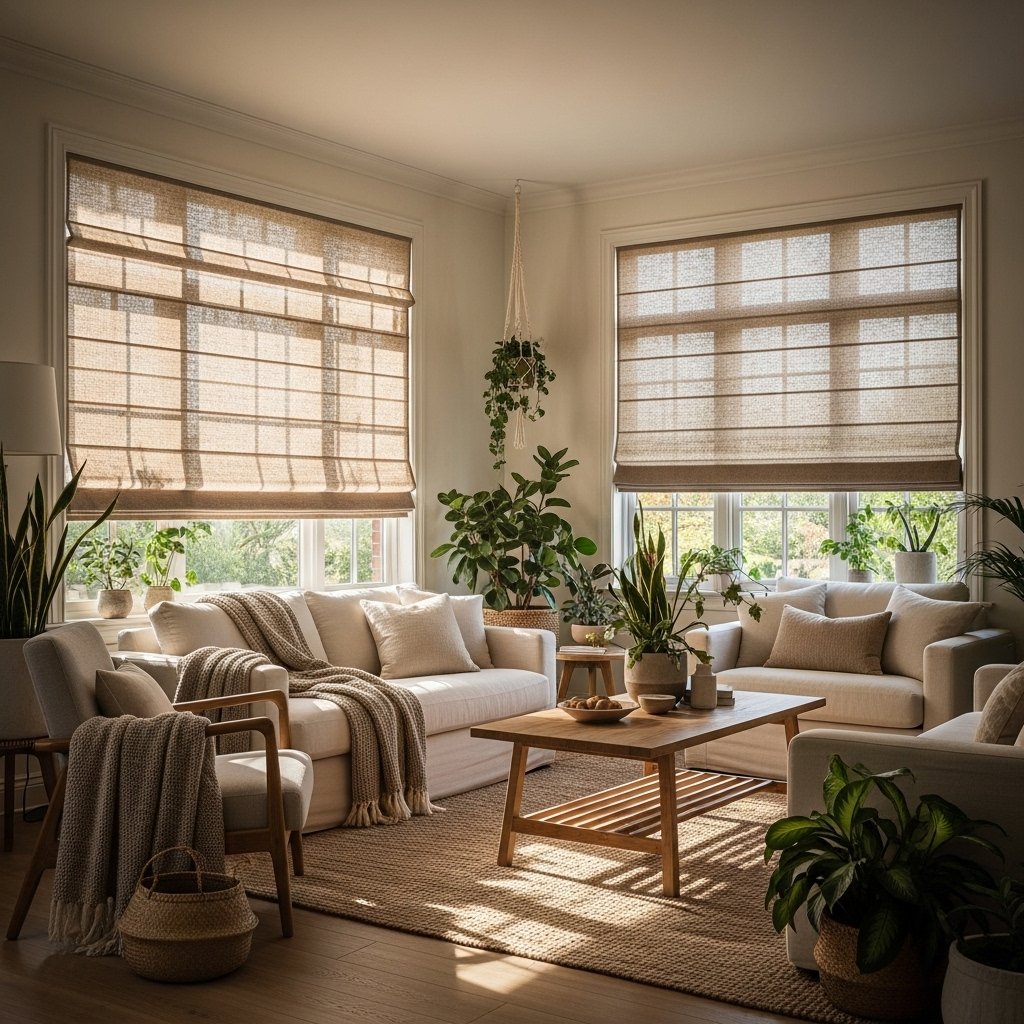
Linen shades filter light softly and beautifully, keeping the window treatment minimal and quietly lovely at the same time. They let in enough light to keep the room feeling open and airy, while diffusing harsh direct sunlight into something warm and golden.
21. Round Coffee Table
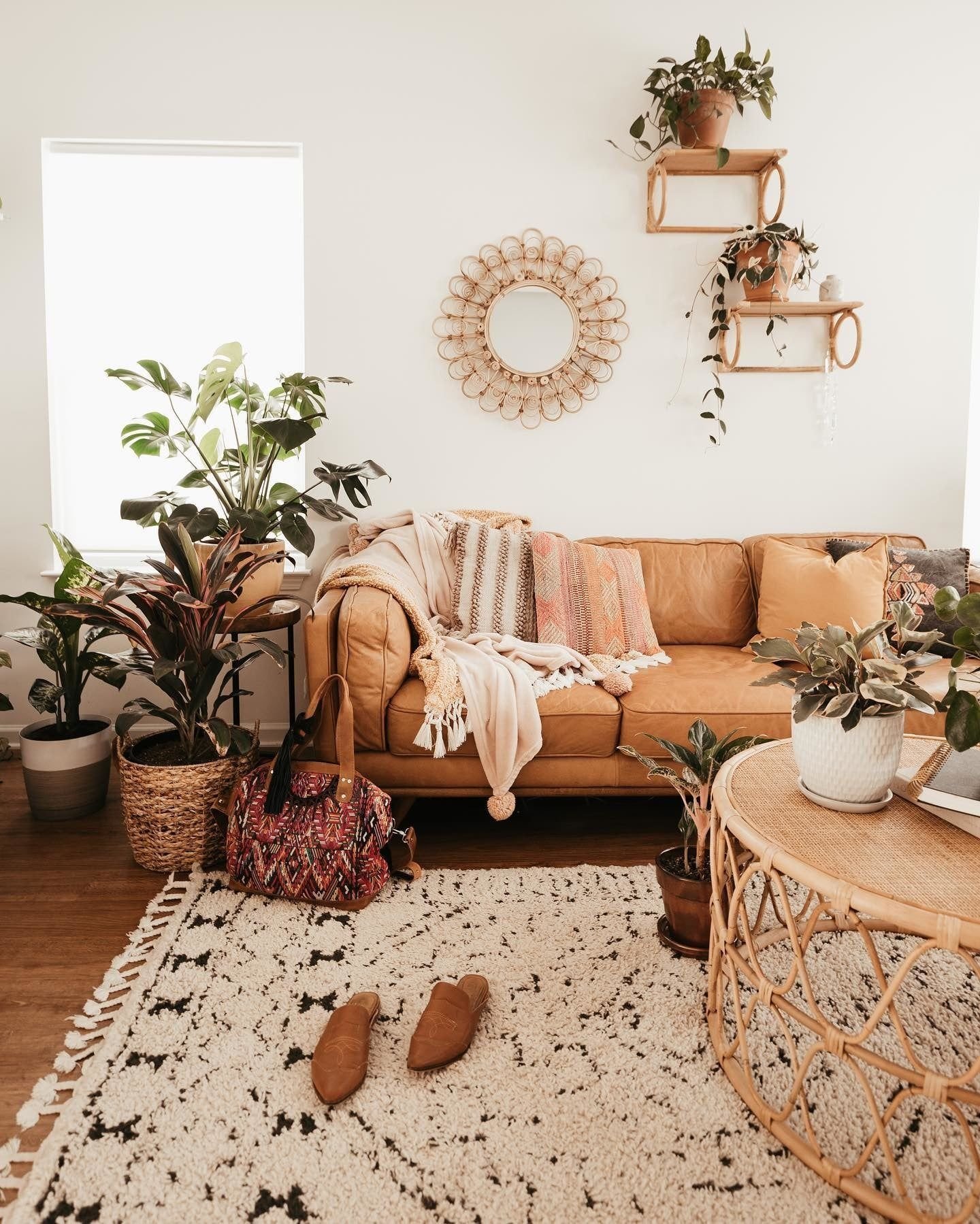
A round table in travertine, rattan, or light wood softens the room and makes movement around the seating area feel more natural and comfortable. In a room full of soft textures and organic shapes, a round table simply belongs. It completes the circle — literally.
22. Woven Rattan Accents
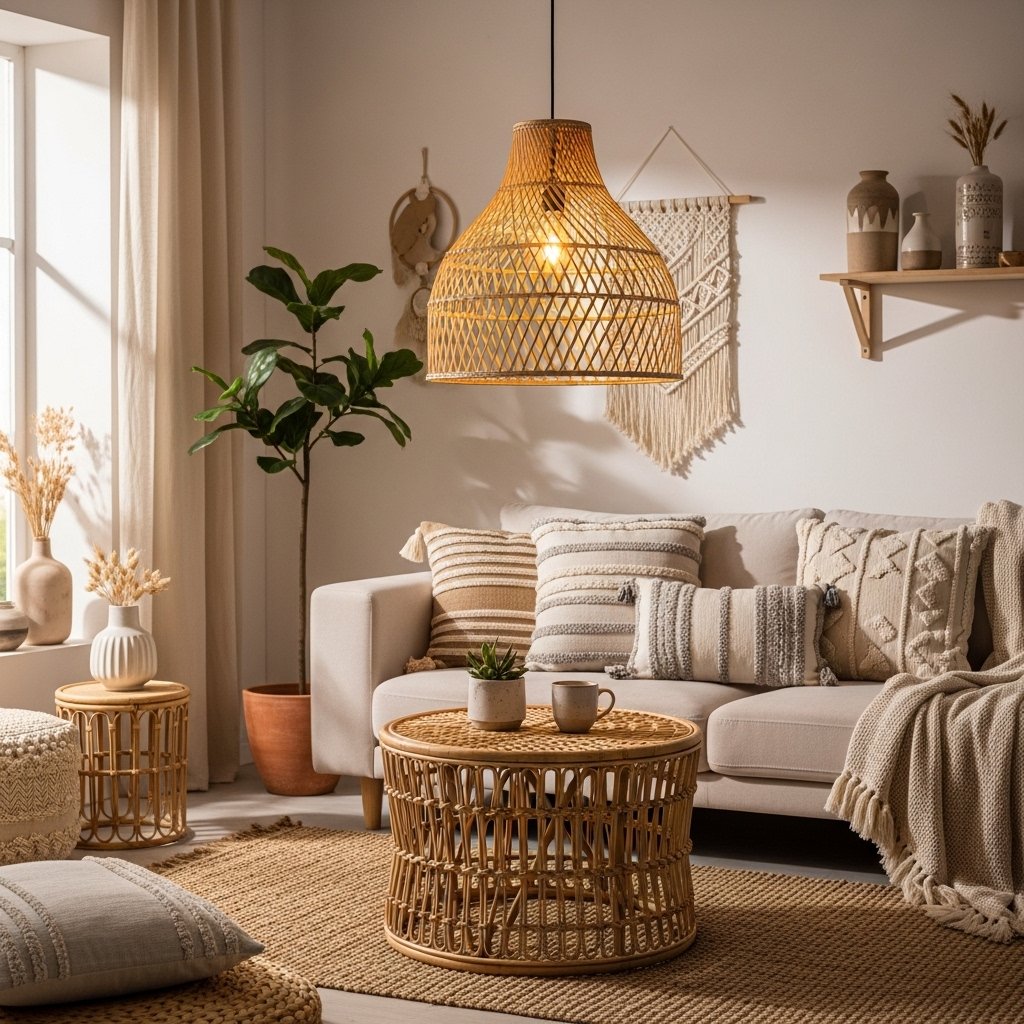
A rattan pendant, side table, or woven basket introduces handmade warmth and natural texture that synthetic materials simply cannot match. Rattan also photographs beautifully — the woven pattern catches light in the most interesting way and adds visual complexity without adding any color.
23. Scent as the Final Layer
A neutral room that smells like sandalwood, cedar, warm linen, or vetiver is a room people never want to leave. Scent is the most underrated layer of interior design — it works on the subconscious in ways that decor alone cannot. Choose one signature scent for your living room and use it consistently. It becomes part of what makes the space feel like yours.
The 4 Textures Every Neutral Room Needs
In a room without strong color, texture does the heavy lifting. Without it, even the most thoughtfully chosen palette will feel flat and uninspired. Think of texture as the color of a neutral room.
Aim for at least one element in each of these four texture categories before you consider your room complete:
Linen and woven cloth — curtains, sofa upholstery, cushion covers, tablecloths. Natural stone and ceramics — a travertine tray, ceramic vases, a limestone candle holder. Warm wood and rattan — an oak coffee table, a rattan pendant, a woven basket. Wool, boucle, and knit — a chunky throw, a boucle accent chair, a wool area rug.
That combination alone creates a room that photographs beautifully and feels genuinely luxurious to live in every single day.
What to Avoid in a Neutral Living Room
Choosing paint that is too cool. Gray is not a warm neutral. It reads cold under most lighting. Lean toward anything labeled warm white, linen, parchment, or stone.
Buying everything from one store. A room that comes entirely from one retailer looks like a showroom, not a home. Mix high and low, old and new, thrifted and curated.
Forgetting vertical space. Most people style their coffee table and forget everything from the waist up. Tall lamps, tall plants, art hung at proper eye height — these complete the room.
Underestimating lighting. Overhead lighting alone is the enemy of a warm neutral room. Layer your light sources and use warm bulbs only — always 2700K or lower.
Final Thought
The most beautiful neutral rooms are never about one perfect thing. They are about many quiet things agreeing with each other — a warm palette, layered textures, considered objects, and light that makes everything glow.
You do not need to do all 23 of these ideas at once. Start with two or three. Let the room evolve slowly. The spaces that feel the most personal and the most beautiful are always the ones that grew over time — not the ones that were finished in a weekend.
Save this. Come back to it. Use it room by room, layer by layer.
Recent Comments